
Introduction
What makes Tibs so special in Ethiopia? This dish is a vivid reflection of how food shapes memory, friendship, and daily life. It invites people to gather, share aroma, and savor moments that feel timeless. Tibs stands at the crossroads of home cooking and festive meals, where every sizzling sound signals warmth and welcome. In this post, we celebrate its cultural value and culinary significance with an inviting, respectful tone.
What Tibs Is
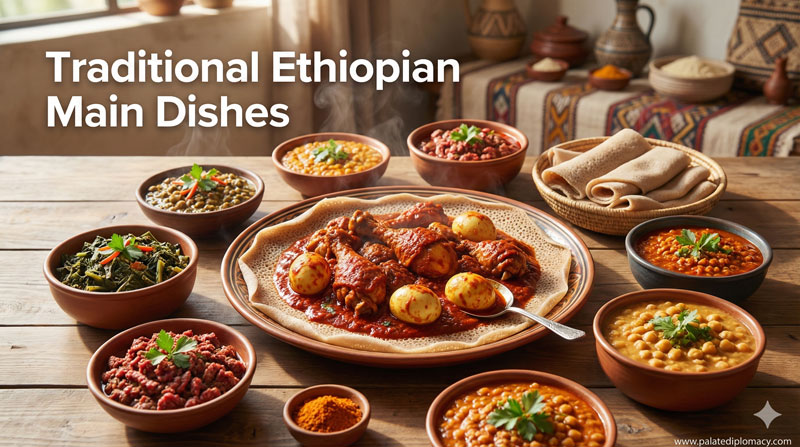
Tibs is a dish of meat sautéed with vegetables and fragrant spices. Most often you’ll find beef or lamb, cut into small pieces and cooked until nicely browned. Onions, peppers, and tomatoes join the meat, adding color and depth. A touch of spice—often berbere or a milder blend—lifts the dish, while clarified butter or oil carries the aromas. Tibs is commonly served with injera, the soft, spongy teff flatbread, ready to scoop up every flavorful bite. The result is a communal dish that travels from the kitchen to the table, carrying stories of home and celebration.
Core Ingredients and Craft
The heart of tibs lies in its core ingredients and the care used to bring them together:
– Meat: beef, lamb, or goat, cut to bite-sized pieces.
– Aromatics: onions, garlic, and ginger provide warmth and sweetness.
– Vegetables: bell peppers and tomatoes add color and balance.
– Fats and spice: niter kibbeh (spiced clarified butter) or a good oil, plus berbere or another spice blend.
– Fresh finish: a handful of herbs, such as parsley, adds a bright finish.
These elements work in harmony. The sizzling pan, the browning of the meat, and the blending of spice aromas all tell a simple but powerful culinary story. Tibs highlights how everyday ingredients become something special through technique and timing.
Technique: How Tibs Comes to Life
Good tibs begins with a hot pan and steady heat. Melt niter kibbeh or oil, then soften onions until they glisten. Add garlic and ginger for depth, followed by the meat. Let the pieces brown evenly before stirring in peppers and tomatoes. A gentle simmer finishes the dish, allowing flavors to mingle without losing the meat’s tenderness. A final sprinkle of herbs and a whisper of spice complete the plate. The technique is approachable, yet it rewards attentive cooks with a clean, layered aroma and a satisfying texture.
Cultural Significance and Social Value
Tibs plays a central role in Ethiopian food culture as a dish that welcomes guests and honors sharing. It often appears at family meals, celebrations, and gatherings where people come together to connect over food. The act of serving tibs on a shared platter mirrors the culture’s emphasis on hospitality and community. In many homes, tibs is prepared with care for guests, showing respect through generous portions and thoughtful presentation. The aroma rises through the house, inviting conversation and a sense of belonging. Tibs also reflects regional diversity, with slight variations in spice, meat choice, and accompanying sides, all of which celebrate local flavors while keeping the dish recognizable and comforting.
Flavor Profile and Sensory Experience
Culinary value shines in tibs through its aroma and balance. The meat offers a rich, savory base, while onions, peppers, and tomatoes provide brightness and body. Berbere or other spice blends introduce warmth and a subtle heat that lingers pleasantly. The fat from niter kibbeh carries flavors and creates a smooth mouthfeel. The overall experience is harmonious: a comforting, hearty dish that remains vibrant and inviting. Great tibs leaves a lingering fragrance of warm spices that makes a meal feel special without being heavy.
Serving, Pairings, and Etiquette
Traditionally tibs is served with injera, which acts as both plate and utensil. Diners tear a piece of injera, use it to scoop up tibs, and wrap it into a bite-sized pocket. This shared method reinforces togetherness and ease of eating. Side accompaniments like lentil stews or mild yogurt-based dips can complement tibs, but the star stays the same: a tender portion of meat with a bright, spicy-sweet balance. When serving, a calm pace and welcoming smiles help create a relaxed, festive mood. The dish shines when everyone feels included in the meal.
Regional Variations and Local Touches
Across Ethiopia, tibs reflects local produce and tastes. In some regions, cooks adjust the spice level or add local vegetables to highlight seasonal flavors. Different households may favor lean cuts or switch to locally cherished meats. Some kitchens finish tibs with a touch of fresh herbs or a squeeze of citrus to brighten the dish. These variations honor tradition while inviting contemporary interpretations. The result is a family of tibs preparations, all related by core technique and cultural intention.
Tibs in Everyday Life
For many Ethiopians, tibs is more than a recipe; it’s a memory-making ritual. It appears in quiet weeknight dinners and blossoms into a centerpiece for celebrations. The dish embodies the idea that good food is a source of comfort and connection. By turning simple ingredients into a flavorful feast, tibs teaches patience, respect for craft, and joy in sharing. Its presence in daily life reminds communities of shared meals as moments of warmth and gratitude.
Quick Tips for Home Cooks
- Use a high-heat pan to achieve even browning and a richer aroma.
- Choose quality meat and trim excess fat for a balanced texture.
- Start with onions and fat to build a sweet, savory base.
- Adjust berbere gradually; you can always add more heat, but you can’t take it out.
- Finish with fresh herbs for brightness and a clean finish.
- Serve immediately with injera to preserve texture and aroma.
A Thoughtful Conclusion
Tibs embodies the beauty of Ethiopian cuisine: food that invites conversation, nourishes the body, and honors visitors with care. It is a dish that grows more meaningful as it travels from kitchen to table, carrying family stories, regional flavors, and shared joy. By embracing tibs, we celebrate not only a cooking technique but a culture that values hospitality, memory, and the simple pleasure of eating together. If you seek a meal that feels Like a warm welcome, tibs offers an inviting, respectful path to flavor and fellowship.