
Introduction
Dulet is a beloved Ethiopian dish that invites both conversation and appetite. It is a centerpiece in many meals, crafted with care and shared with warmth. In this post, we explore the Top Reasons Ethiopians love dulet, focusing on cultural value and culinary significance. We celebrate how it fits into family kitchens, markets, and festive gatherings.
The Dish in Focus
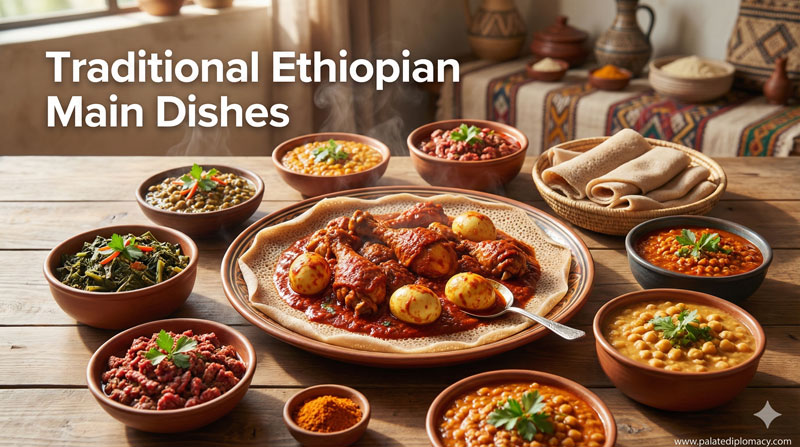
Dulet is a traditional preparation of finely chopped meat and sometimes organ meats, sautéed with onions, garlic, and a blend of local spices. It is cooked until tender and glossy, then folded with herbs and a touch of fat for richness. The result is bright, savory, and deeply comforting. It is widely enjoyed with injera, the sour flatbread, and often accompanies greens and other small bites. This pairing elevates the dish and marks it as a social, sharing-ready plate.
Reason 1: Texture That Tells a Story
First, dulet offers a texture that many find irresistible. The small, even pieces melt in the mouth, while tiny bits of cartilage or fat add surprise and depth. Next, the careful chop and quick sauté preserve moisture and bite. Together, these textures give a sense of craft and patience, showing skill in the kitchen. This tactile experience makes each bite feel deliberate and celebratory.
Reason 2: Aromas That Welcome You
Secondly, the aroma greets you before the first bite. Onions caramelize, spices bloom, and the fat carries the scent through the room. The blend often includes berbere or mitmita, along with garlic and ginger, which sing with warmth. When the pan opens, guests feel invited to gather and share. The scent alone signals that a meal is about to become a memory.
Reason 3: A Dish Built for Sharing
Third, dulet is designed for sharing. It appears at the center of the table, inviting everyone to take a portion and pass the plate along. As spoons move, conversation flows, and smiles grow. This communal nature reflects Ethiopian dining customs, where meals become a social ritual. Sharing dulet underscores hospitality and collective joy.
Reason 4: Craft and Tradition in Every Step
Fourth, making dulet honors tradition. The cut, the timing, and the balance of spices are passed down through generations. Cooks develop a personal touch— adjusting heat, toasting spices, and refining the finish. The process connects cooks with memory, lineage, and regional flavors. In this way, each pot of dulet carries a living thread of culture.
Reason 5: The Perfect Pairing with Injera
Fifth, dulet finds its brightest expression with injera. The tangy, spongy bread soaks up the juices and lets the spices shine. This pairing creates a harmony that is both comforting and adventurous. Guests learn to listen to the plate as injera and dulet converse with texture and taste. The ritual of tearing injera and scooping adds to the experience.
Reason 6: A Sense of Belonging and Pride
Sixth, dulet evokes belonging. Families, neighbors, and friends gather to share a familiar favorite. The dish carries memories of markets, kitchens, and festive meals. When people eat together, pride in culinary heritage grows. This sense of belonging strengthens social bonds and respect for the cook’s skill.
Reason 7: Regional Variations, Shared Reverence
Seventh, while the core idea stays the same, regional twists enrich the dish. Some kitchens lean into crisper edges, others favor a richer, velvet finish. The spice balance may shift with local peppers and herbs. Yet the love for dulet remains constant, a unifying thread across the country. These variations celebrate diversity while keeping the dish recognizable and cherished.
Conclusion
Dulet stands out for its texture, aroma, and social spirit. It is a dish that brings people together, honors craft, and invites gratitude for shared meals. By celebrating its place in Ethiopian food culture, we recognize how a single plate can carry memory, skill, and hospitality. If you ever taste dulet, you taste a piece of everyday tradition—and a warm invitation to return for another bite.