
How Zilzil Tibs Reflects Ethiopian Food Culture
Zilzil tibs is more than a dish. It is a living expression of how Ethiopians cook, share, and celebrate food. The sizzling sound, bright aromas, and bold flavors invite everyone to the table. In every bite, you feel a sense of place, history, and communal joy that defines Ethiopian Cuisine.
A Sizzling Moment that Defines the Kitchen
From the moment the pan heats, zilzil tibs announces itself with a lively crackle. Thin strips of beef meet hot oil, and the kitchen fills with a dance of garlic, onions, and spices. The technique is simple but precise: meat is seared quickly to lock in juices, then lifted with care to mingle with aromatics. This approach mirrors a broader truth in Ethiopian cooking—high energy, fast execution, and a respect for the ingredients’ natural brightness. The result is a dish that carries the glow of the stove into the dining space.
The Spice Palette: Berbere, Niter Kibbeh, and Balance
Zilzil tibs draws on a few signature players. Berbere, a vivid blend of chili, spices, and seeds, lends warmth and depth. Niter kibbeh, a spiced clarified butter, threads its fragrance through the meat, giving a silky richness. The balance matters: heat meets savor, and pungent garlic meets gentle sweetness from onions. This harmony reflects how Ethiopian cooks layer flavors to tell a story in a single plate. Each bite feels carefully tuned, yet lively—an invitation to share and savor.
The Plate and the Table: Injera as a Shared Canvas
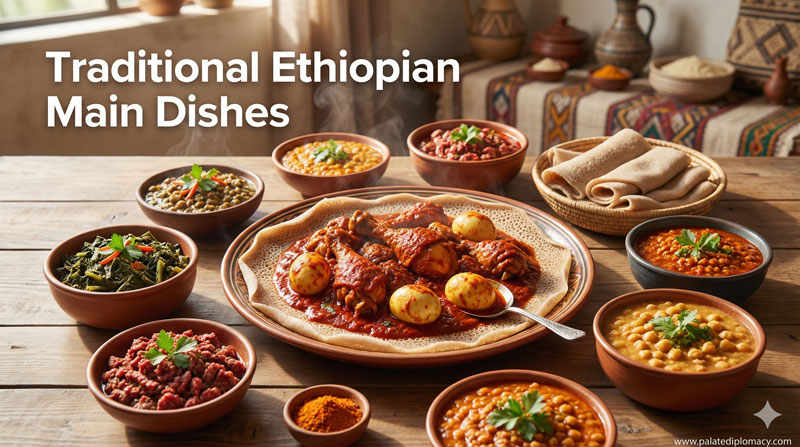
Traditionally, zilzil tibs appears on a broad platter, often on a bed of injera—a soft, tangy flatbread that acts as both utensil and accompaniment. Diners tear injera with their hands, scoop the sizzling meat, and wrap it for a bite. This setup embodies a key motif of Ethiopian dining: food is communal, and the act of eating is a collective experience. The injera soaks up the juices, carrying the flavors across the table in a gentle, edible landscape. In this arrangement, texture, aroma, and taste fuse into one shared moment.
A Language of Hospitality: Gursha and Caring at the Table
Hospitality shines at the zilzil tibs table. The warm invitation to taste first, the passing of portions, and the practice of gursha—the gesture of feeding someone with your hand—express care and connection. Gursha is more than etiquette; it is a daily, affectionate ritual that reinforces bonds among family and friends. The dish becomes a bridge between strangers and loved ones, inviting conversation, laughter, and mutual respect around a single sizzling pan.
Seasonal and Regional Threads: A Tapestry of Ingredients
Ethiopian cuisine thrives on regional varieties and seasonal freshness. Zilzil tibs reflects this adaptability. In coastal and highland markets, cooks select cuts of beef that suit the day’s warmth, and they adjust spice levels to taste. The same method can embrace slight regional twists while keeping the core soul intact: fast sear, bright aromatics, and a lively finish. This adaptability mirrors Ethiopian culinary culture as a whole—dynamic, diverse, and always oriented toward what vegetables, meat, and spice can offer today.
The Table, The Meal, The Moment: Beverages and Afterglow
A meal featuring zilzil tibs often travels beyond the plate. In many homes, a cup of strong coffee or a glass of honey wine may accompany the feast, grounding the experience in ritual and warmth. The beverage choices, like the food, emphasize balance, ritual, and social connection. They remind us that meals are occasions for pausing, appreciating, and celebrating togetherness.
A Cultural Thread Across Daily Life
Zilzil tibs appears in everyday breakfasts and festive gatherings alike. Its bold flavors and quick preparation align with the Ethiopian love of lively, communal eating. The dish and its serving style echo broader cultural values: generosity, hospitality, and an enduring respect for cooks, ingredients, and guests. When people sit to eat zilzil tibs, they participate in a tradition that honors shared meals as a source of happiness and belonging.
Reflections: Why Zilzil Tibs Matters in Ethiopian Food Culture
- It embodies hospitality: the dish invites others to the table and invites sharing of bites, stories, and smiles.
- It celebrates clarity of flavor: simple ingredients, careful technique, and bold spices create a bright, memorable profile.
- It honors communal eating: injera brings everyone together and softens the moment into a shared experience.
- It reveals regional richness: regional twists coexist with a universal approach to sizzling, savory meat.
- It sits within a broader culinary ritual: from market to stove to plate, the journey honors time, place, and people.
Conclusion: The Beauty of Zilzil Tibs in Everyday Culture
Zilzil tibs stands as a delicious doorway into Ethiopian food culture. It teaches us how a single sizzling dish can carry generosity, skill, and joy from the stove to the plate and beyond the table. The aroma, texture, and communal manner of serving reveal a cuisine that is both rooted and alive—ever ready to welcome guests, celebrate togetherness, and honor the craft of cooking. In this light, zilzil tibs is not only a meal but a warm invitation to experience Ethiopian culinary culture with openness and reverence.