
Why Travelers Are Falling in Love with Doro Wat
Doro Wat is more than a meal. It is a warm invitation into a shared table, a fragrant journey through Ethiopian flavors, and a celebration of care in cooking. For travelers, this dish offers immediate hospitality: a bubbling pot, a rich aroma, and a sense of place that lingers after the last bite. It beckons with depth, balance, and a feeling of being welcomed.
What is Doro Wat?
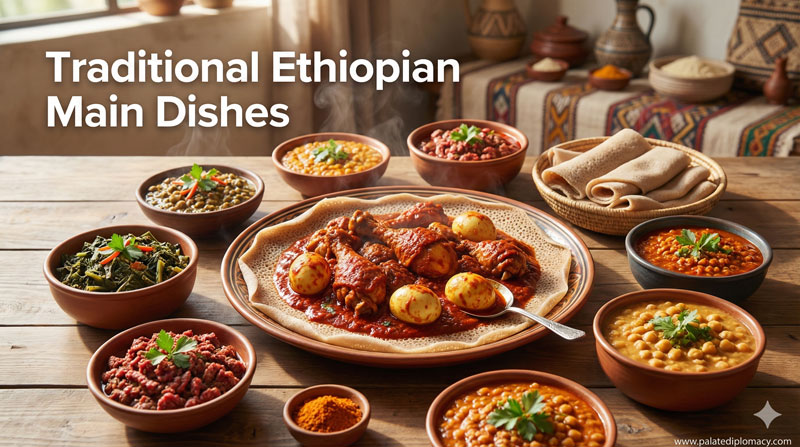
Doro Wat is a signature Ethiopian chicken stew. It rests on a glossy base of slowly caramelized onions, seasoned with berbere, a bold spice blend, and enriched with niter kibbeh, a spiced clarified butter. Garlic, ginger, and a touch of paprika add warmth and sparkle. The sauce thickens as it simmers, wrapping each piece of chicken in a velvety, peppery glaze. Hard-boiled eggs are sometimes added, absorbing the sauce and sharing the plate with the tender meat. The dish is traditionally served on a large round of injera, a sour, spongy flatbread that acts as plate, utensil, and companion.
- Core idea: Doro Wat centers on a slow, careful build of flavor from onions and spices.
- Signature notes: berbere’s heat and aromatic depth meet the dairy richness of niter kibbeh.
- Finished texture: tender chicken, glossy sauce, and the bright contrast of egg and injera.
The Craft: Ingredients and Techniques
Doro Wat showcases a careful craft that honors tradition while inviting curious travelers to observe and taste. The process begins with onions, sliced thin and sautéed for a long time until they release sweetness and color. Then spices are added to bloom, releasing scents of garlic, ginger, and chili. The simmering sauce thickens slowly, coating every surface of the chicken with depth. Eggs are simmered with the sauce in some versions, letting the flavors mingle.
Key elements to note:
– Berbere blends heat with complex aromatics like fenugreek, coriander, and cloves.
– Niter kibbeh brings a buttery, spiced base that rounds sharp edges.
– Injera provides tang, texture, and a communal eating experience.
This is cooking as ceremony—methodical, patient, and attentive to layers of taste that reveal themselves with each bite.
A Dish of Hospitality
In Ethiopian dining culture, meals are social rites. Doro Wat lives at the heart of a sharing table, where guests gather around platters and tear pieces of injera to scoop up sauce and chicken. The act of eating together becomes a moment of connection, where conversation flows as freely as the spice-touched steam rising from the pot.
The dish embodies hospitality through its generous portions and its readiness to pair with simple, complementary sides. Injera’s sour tang acts as a counterpoint to the rich, spicy sauce. The overall balance—spice heat tempered by onion sweetness, buttered depth, and the cool crispness of the bread—offers a harmonious experience that travelers often remember as emblematic of a warm welcome.
The Travel Experience: Tasting Doro Wat
Travelers are drawn to Doro Wat for its sensory richness and its sense of place. The aroma alone can hint at a long, careful kitchen practice. When served, the sauce reveals layers: the sweetness from onions, the garlic-ginger lift, the bold heat of berbere, and the luxurious lift from butter. The result is comforting yet invigorating, inviting slow savoring rather than quick tasting.
Tasting notes travelers often describe:
– A deep, savory base with onion sweetness persisting through the finish.
– A bright, peppery kick that remains balanced with butter and garlic.
– A texture that coats the chicken and clings to injera without masking the bread’s tang.
The experience is enhanced by the communal eating style. Sharing the dish on a single injera circle fosters a sense of togetherness that stays with travelers long after the plate is cleared.
Pairings and the Wider Table
Doro Wat shines when paired with injera, the traditional partner that soaks up sauce and adds its own lively character. Fresh cheese ayib or simple lentil dishes often accompany the main course, providing creamy contrast or earthy balance. A light salad or cucumber refreshment can cleanse the palate between bites. For beverages, a simple tea or a traditionally brewed coffee can accompany the meal in a complementary way, highlighting the patience and care found in Ethiopian dining rituals.
Travelers also notice the pacing of a meal. Doro Wat often appears in festive, communal settings or in hospitable everyday meals, where the rhythm of sharing creates a memorable dining moment. The dish invites slow tasting and appreciative reflection on flavor, texture, and the sense of place that a plate can convey.
Preservation and Modern Adaptations
Chefs keep the essence of Doro Wat alive while exploring modern kitchens. In homes and contemporary restaurants, cooks honor the core elements—onion base, berbere heat, and butter richness—while adjusting simmer times or using convenient methods without sacrificing authenticity. Some cooks offer variations with chicken alternatives or plant-based substitutes that retain the dish’s character and warmth.
Yet the heart of the dish remains constant: a slow, thoughtful build of flavor, a generous spirit of sharing, and a connection to a culinary tradition that travelers seek out to understand and enjoy. Modern Adaptations tend to celebrate the same cultural values—hospitality, craftsmanship, and the joy of a well-prepared meal.
Conclusion
Doro Wat welcomes travelers with a bowl that speaks of tradition, skill, and communal joy. Its cultural value lies not only in flavor but in the way it gathers people around a table, invites careful tasting, and reveals a culinary world through scent, texture, and shared experience. For those who seek authentic tastes and meaningful meals, Doro Wat offers a memorable doorway into Ethiopian food culture—warm, respectful, and endlessly inviting.