
The Story Behind Gomen Besiga, a Favorite Ethiopian Food
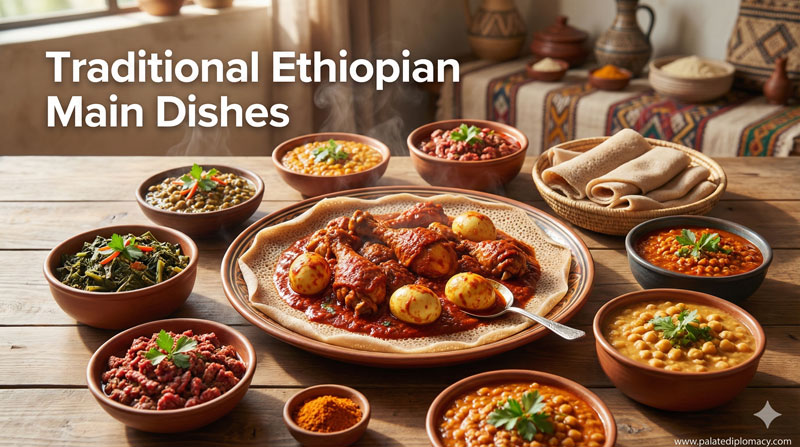
Gomen Besiga is a cherished Ethiopian dish that brings greens and meat together in a warm, comforting harmony. It centers on collard greens, slowly braised to tenderness, and small pieces of meat that mingle with a fragrant sauce. The result is a dish that feels both everyday and special, carried in the heart of Ethiopian cooking. It is most often enjoyed with injera, the spongy sourbread that carries and balances bold flavors. The name itself speaks clearly: gomen means greens, besiga signals meat. Together, they tell a simple, powerful story of nourishment and shared meals.
Cultural Value: Hospitality on a Plate
In Ethiopian homes, food is a language of welcome. Gomen Besiga embodies that spirit. It appears on the table when family and friends gather, turning a meal into a warm invitation to linger and connect. The dish reflects a culture that values generosity, careful preparation, and the joy of eating together. Each bite invites conversation and a sense of belonging. The way the greens soften and the meat yields its flavor mirrors a patient craft passed down through generations, one that honors both the land and the people who tend it.
Culinary Significance: A Bridge Between Greens and Protein
Gomen Besiga demonstrates how Ethiopian Cuisine often blends vegetable notes with meat to create balance and depth. The greens provide fresh, savory notes that pair beautifully with the richness of tender beef or goat. The sauce coats every piece, delivering layers of onion, garlic, and ginger, sometimes with a touch of spiced clarified butter. This combination showcases a core idea in Ethiopian cooking: the idea that simple ingredients, prepared with care, can yield powerful, memorable flavors. The dish celebrates accessibility—greens and meat both can be found in many kitchens—while elevating them through technique and time.
The Technique Behind Tender Greens
The heart of Gomen Besiga lies in patience and method. First, aromatics like onions, garlic, and ginger are softened to release sweetness and fragrance. Next, greens are washed, chopped, and added to the pot. The meat is included to lend depth and substance. The dish braises gently, allowing the greens to wilt and absorb the meat’s savory essences. If niter kibbeh or a good olive oil is used, the fat carries spice and perfume through the greens. The result is a sauce that clings to the greens and meat, creating a cohesive, satisfying mouthfeel. Each step highlights careful timing and respect for ingredients.
The Flavor Palette: Aroma, Heat, and Comfort
Expect a warm, inviting aroma that can fill a room. The greens provide earthy, mellow notes, while the meat introduces richer, more robust flavors. Garlic and ginger add a sharp, clean bite that softens as it mingles with slow-cooked onions. If berbere or a touch of black pepper is used, a gentle heat wakes the senses without overpowering the greens. The result is a well-rounded dish with balance: savory, earthy, and subtly spicy, all wrapped in the tenderness of the greens and the tenderness of the meat.
The Role of Injera: A Perfect Partner
Injera plays a starring supporting role in Gomen Besiga. This sour-flatbread acts as both plate and utensil, gently tearing into portions and then soaking up the flavorful sauce. The tang of injera echoes the tang of the greens in a pleasing contrast. Sharing from a common injera-lined spread invites conversation and togetherness. The pairing is more than taste—it’s a cultural stage where each bite reinforces community and belonging.
Variations Across Homes: Personal Touches and Traditions
Across households, Gomen Besiga takes on subtle variations. Some cooks favor beef, others prefer lamb or goat, each choice bringing a distinct character. The spice profile can lean into berbere for warmth and depth or stay milder with a focus on aromatics. Some cooks enrich the sauce with clarified butter for a glossy sheen and a nutty aroma. While the core idea remains greens plus meat, these small personal touches reflect how each kitchen preserves its own memory of meals and celebrations.
A Dish for Every Table: Timeless Yet Relevant
Gomen Besiga transcends a single season or occasion. It is a steady presence on tables, adaptable to everyday meals and festive gatherings alike. It honors the everyday gardener’s harvest and the home cook’s careful simmering. The dish invites people to slow down, savor flavors, and appreciate the beauty of nourishment crafted with intention. It reminds us that great meals can emerge from humble ingredients when prepared with care and shared with warmth.
Practical Ways to Celebrate Gomen Besiga at Home
- Seek fresh greens and a good cut of meat for a balanced, tender result.
- Use a gentle sauté of onions, garlic, and ginger to start the flavor journey.
- Allow sufficient braising time so greens soften and flavors meld.
- Pair with injera to experience the full cultural pairing and texture contrasts.
- Add a dot of niter kibbeh or a high-quality oil to wrap the dish in aroma.
Final Note: The Story Continues
Gomen Besiga remains a treasured facet of Ethiopian food culture. It honors the harmony between greens and meat, the beauty of slow-cooked flavor, and the joy of shared meals. By inviting us to savor both tradition and tenderness, this dish invites everyone to participate in a timeless culinary story—one that celebrates nourishment, hospitality, and the simple joy of eating well together.