
A Dish at the Heart of Ethiopian Tables
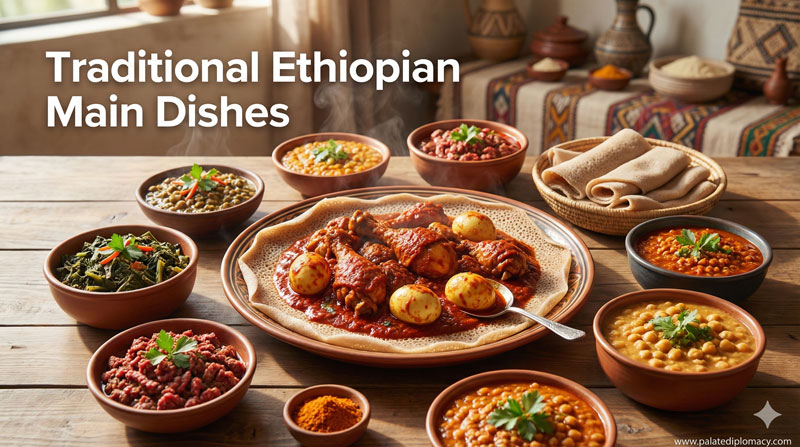
How dulet became a beloved part of Ethiopian Cuisine speaks to more than flavor. It tells a story of care, craft, and the joyful rhythm of shared meals. Dulet is a finely chopped dish built from pieces that might otherwise be tucked away, transformed into a bright, aromatic centerpiece. In its simplest form, it blends minced offal—such as liver, heart, and sometimes tripe—with onions, garlic, and a chorus of spices. The result is a dish that glows with warmth and invites people to gather around the table. Its appeal rests not on novelty alone, but on the trust of a tradition that treats every ingredient with respect and turns it into something greater than the sum of its parts. The aroma rises first and then the eyes follow, catching the gleam of color and the lively texture. Dulet holds its own beside injera, foggy with steam and the soft sound of bread torn for sharing. In homes and in markets, this dish marks moments of togetherness, from casual lunches to festive celebrations. Its popularity is a reflection of how Ethiopian cooks honor resourcefulness and celebrate craftsmanship in a single, satisfying bite.
What Goes into Dulet: Ingredients and Craft
Dulet centers on technique as much as on ingredients. Commonly, pieces of liver, heart, and sometimes other offal are finely minced or chopped until they resemble a cohesive, crumbly texture. This meat is then folded into a warm embrace of sautéed onions and garlic. Spices add depth—mitmita pepper introduces a gentle kick, while a hint of niter kibbeh contributes a sweet, nutty richness. Salt, cumin, coriander, and sometimes a touch of paprika round out the palate. The mixture is cooked briefly, just enough to mingle flavors without losing the bright bite of the ingredients. Fresh herbs or a squeeze of lemon can brighten the dish just before serving. The final touch is balancing fat with acidity, so the dish remains lively on the tongue. Dulet is typically plated with injera or other flatbreads, which soak up the flavors and add their own gentle sour note. This careful balance between spice, richness, and brightness is at the heart of its culinary significance.
The Path to Popularity: From Home Kitchens to Shared Tables
Dulet rose to popularity through everyday cooking rooted in family kitchens and neighborhood eateries. It was born out of a practical approach: use what is on hand, flavor it boldly, and share it generously. As cooks refined the technique, the texture and aroma became reliably inviting, making it a go-to choice for gatherings. In many households, dulet is prepared for weekend meals and for guests who arrive with smiles and open hands. Street stalls and taverns began offering it as a dependable, flavorful option, easy to prepare in batches for a crowd. The dish’s adaptable nature helped it travel across kitchens and markets, becoming a recognizable emblem of Ethiopian cooking. Its rise in popularity also mirrored the value Ethiopians place on communal dining—where a plate is shared, conversations flow, and everyone participates in the ritual of eating together. Through these practices, dulet cemented its place as a dish that not only tastes good but also embodies a spirit of hospitality and shared joy.
Cultural Significance: Hospitality, Shared Meals, and Regional Flavors
Dulet is more than a recipe; it is a gesture of welcome. When a host places a platter of dulet in the center of the table, they invite people to engage with the dish, to discuss its texture, and to savor its warmth. The act of sharing dulet reinforces social bonds, turning eating into a ceremony of togetherness. Regional variations add color to this tradition. Some cooks emphasize a brighter, peppery profile, while others lean toward a deeper, more herbaceous note. The dish often appears during family gatherings, religious observances, and public feasts, where the communal table becomes a canvas for conversation, storytelling, and collective memory. The pairing with injera—soft, porous, and perfect for wrapping bites—cements a sensory relationship between bread and meat, sourness and spice, texture and aroma. In this way, dulet participates in the broader Ethiopian culinary landscape as a staple that honors craft, celebrates abundance, and nurtures a sense of belonging.
The Modern Spotlight: Dulet in Restaurants and Home Cooking
Today, dulet enjoys a renewed presence in both traditional homes and contemporary eateries. Chefs in urban centers highlight dulet as a bridge between heritage and present-day dining, presenting it with careful plating and respectful seasoning. In restaurants, it is often showcased alongside other classic dishes, offering guests a vivid lens into Ethiopian flavor profiles. Home cooks continue to treasure the dish for its quick turnaround and its ability to feed a crowd with soulful flavor. This enduring appeal rests on a few constants: the dish’s bright aroma, its satisfying texture, and its role as a unifier at the table. As dulet travels from stove to stove, the essence remains—the beauty of transforming humble ingredients into a centerpiece that loves the company of friends and family. The result is a dish that feels both timeless and fresh, a true ambassador of Ethiopian food culture.