
A Window into Ethiopian Hospitality
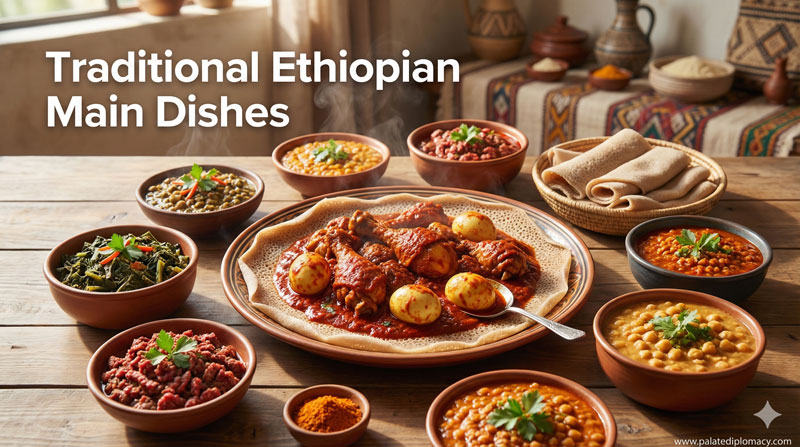
Minchet Abish is a beloved Ethiopian dish that centers finely minced meat, onions, garlic, and a warming array of spices. When prepared well, the meat becomes tender, fragrant, and deeply flavorful. It is almost always served with injera, the spongy sour flatbread that soaks up every rich drop. More than a recipe, Minchet Abish is a cultural invitation—an offering of hospitality and connection.
The Flavor Profile and Texture
The heart of Minchet Abish is its texture and balance. The meat is finely minced or ground, so each bite feels light and tender. Onions are the aromatic backbone, caramelizing to bring sweetness that steadies the heat of spices. Garlic and ginger add depth, while a spice blend such as berbere or mitmita introduces warmth and complexity. A touch of niter kibbeh, a spiced clarified butter, lends a toasty richness that coats the meat and sticks to the injera. The result is a savory dish with layered notes of pepper, peppery heat, and soft sweetness, all harmonizing with the tang of the bread.
The Craft: Preparation and Technique
Cooks honor Minchet Abish through careful technique rather than haste. Start with onions that melt into the pan, releasing sweetness and perfume. Then add the minced meat, stirring until it browns lightly and absorbs the onion flavors. A measured splash of water or stock helps the mixture simmer to tenderness, while the spice blend infuses the meat with depth. Finish with a drizzle of niter kibbeh to unite the elements. The sauce should cling to the meat just enough to coat the injera, inviting another bite rather than pooling on the plate. This careful layering gives Minchet Abish its signature cohesion and aroma.
The Table as Community
In Ethiopian dining, meals often unfold on a shared platter. Injera forms the base, with bites of Minchet Abish scooped and wrapped in torn pieces of bread. This shared eating ritual embodies warmth, respect, and inclusion. The act of serving others first, then taking a portion for oneself, mirrors a cultural emphasis on hospitality. The kitchen’s aroma travels through the home, drawing relatives and friends to the table. Minchet Abish becomes more than food; it is a bridge for conversation, laughter, and memory.
Regional Variations and Family Traditions
While the core of Minchet Abish remains minced meat with onions and spice, every family may add a personal touch. Some cooks intensify the heat with extra chilies, others soften it with additional onions or a touch of tomato for brightness. Spice emphasis can vary by region or season, reflecting local markets and tastes. Some households serve the dish with ayib, a fresh Ethiopian cheese, or with a crisp salad to add contrast. These variations celebrate diversity while keeping the dish recognizable. The result is a flexible, comforting dish that travels well between homes and gatherings.
Cultural Significance Beyond the Plate
Minchet Abish holds a special place in days of celebration and routine alike. It appears at family gatherings, weekend meals, and festive events, marking moments of togetherness. The dish embodies values of generosity and care—sharing a generous portion, offering the best pieces to guests, and taking time to savor the moment with loved ones. In this way, Minchet Abish is a thread in the fabric of everyday Ethiopian life, weaving taste, memory, and social connection into one inviting experience.
A Taste of Ethiopian Culinary Identity
The beauty of Minchet Abish lies in how it pairs simple ingredients with thoughtful technique to create something greater than the sum of its parts. The minced meat carries a delicate texture that invites the bread to participate in every bite. The onions, spices, and butter layer aroma and flavor so smoothly that the dish feels Like a warm conversation carried from kitchen to table. It is a reminder that food can teach us about hospitality, patience, and shared joy.
Final Reflections
Minchet Abish stands as a testament to Ethiopian culinary heritage—where flavor, craft, and community converge. It invites us to slow down, gather around a plate, and celebrate the everyday act of eating together. In every bite, there is a story of cooks who honor tradition and households that welcome guests with open arms. The dish invites admiration for its balance, warmth, and the meaningful social rituals that accompany it.