
What Makes Kitfo So Special in Ethiopia
Kitfo is more than a dish. It sits at the heart of Ethiopian cooking, inviting people to share not just food but the moment of togetherness. The name kitfo speaks to ground or minced meat, yet the experience goes beyond words. Fresh ingredients, careful preparation, and warm hospitality come together to create a dining moment that feels rooted in everyday life and in celebration alike.
The Core of the Dish
At its core, kitfo centers on finely minced beef. Some cooks serve it raw, others offer a lightly warmed version. The meat rests in a bath of niter kibbeh, a clarified butter blessed with spices. Berbere or mitmita bring warmth and a bright kick, while salt tightens the flavors. A whisper of citrus or cardamom may appear, adding a delicate lift without masking the beef’s character.
The Technique and Texture
The technique matters as much as the ingredients. The beef is minced to a smooth, even texture. Spices are folded in with care, so aroma rises with every stir. The butter embraces the meat, lending richness and cohesion. The result is a bright, tender bite that carries the scent of the spice blend and the freshness of the meat.
Serving Traditions
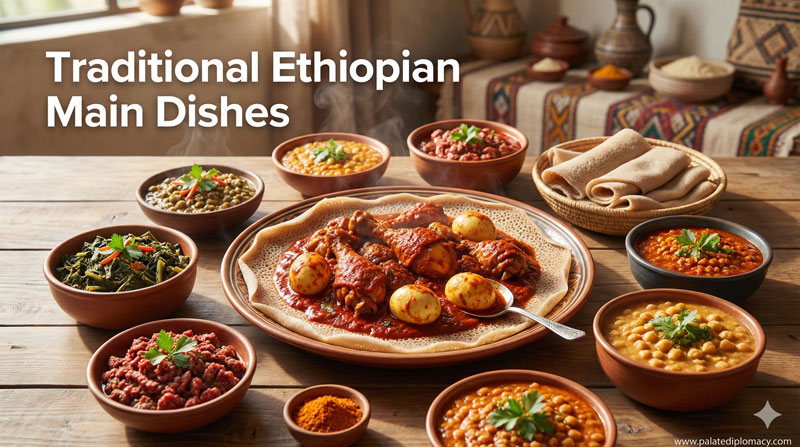
Kitfo is traditionally served with injera, the soft, spongy flatbread that captures sauces and crumbs with ease. A side of ayib, a fresh Ethiopian cheese, or gomen (collard greens) often accompanies the dish. Diners use injera to scoop kitfo, embracing a hands-on, social eating style. The presentation emphasizes balance: the meat’s warmth, the cool cheese, and the cake-like texture of the bread.
Cultural Significance and Hospitality
In Ethiopian culture, food is a gesture of welcome. Kitfo embodies generosity and attentiveness, inviting guests to partake and to linger in conversation. The act of sharing kitfo mirrors a larger tradition of hospitality, where meals become bridges between family, friends, and neighbors. This cultural value shines in both everyday dinners and special gatherings.
Regional Variations
Across regions, cooks bring subtle changes to kitfo. Some favor a spicier profile with more berbere, while others keep heat modest to highlight the beef. The balance between fat and meat can shift, altering the mouthfeel in pleasing ways. Variations might include a gentle warmth that seems to glow in the spices or a cleaner, brighter finish that foregrounds the beef’s aroma.
Flavor Pairings and Enjoyment
Kitfo pairs beautifully with the tang of injera and the creaminess of ayib. The spice mix offers warmth, which is softened by the dairy and bread. A sip of a light, refreshing beverage helps cleanse the palate between bites. Those who savor it often notice how the spices awaken the meat’s natural sweetness, leaving a lasting, comforting finish.
Kitfo in Celebrations and Everyday Meals
People reach for kitfo for both daily meals and festive occasions. On ordinary days, it offers a straightforward, satisfying centerpiece. For celebrations, the dish becomes a shared ritual, inviting relatives and friends to gather, eat, and tell stories. In every setting, kitfo conveys the joy of good company and well-prepared food.
How to Experience Kitfo at Home
To recreate a respectful kitfo experience, start with high-quality beef and fresh spices. Prepare niter kibbeh with patience, letting the butter mellow into a fragrant foundation. Fold the spices evenly through the meat and adjust the heat to taste. Serve with injera and ayib, inviting everyone to scoop and savor at their own pace. This approach keeps the focus on flavor, texture, and togetherness.
Final Thoughts
Kitfo stands as a vivid expression of Ethiopian culinary artistry. It blends precise technique with generous hospitality, creating a dish that feels both intimate and grand. By savoring kitfo, you glimpse a culture that values fresh ingredients, thoughtful seasoning, and shared meals. In every bite, the dish reveals its cultural value and culinary significance—an invitation to celebrate food as a unifying experience.