
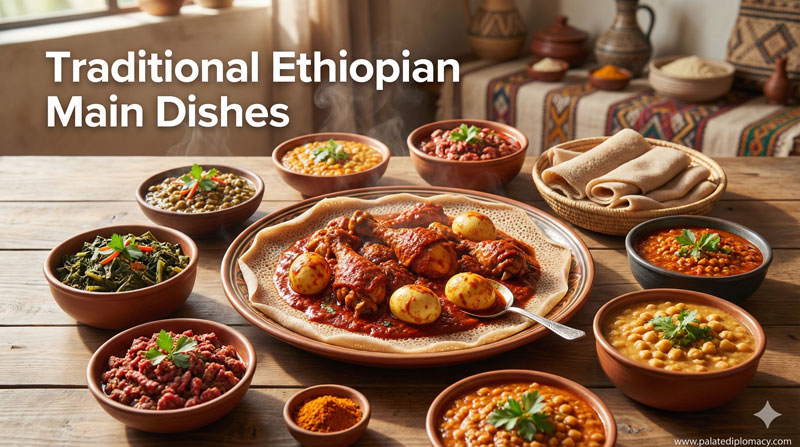
What is Gomen Besiga?
Gomen Besiga is a beloved dish from East African culinary traditions. “Gomen” refers to greens, usually collard greens, that are simmered to a tender, silky texture. “Besiga” signals the presence of meat in the dish. Together, Gomen Besiga blends leafy greens with savory meat, producing a warm, comforting harmony of flavors. This dish celebrates the simple beauty of greens folded into a hearty, soulful meal. It offers a clear voice for home cooking: patient preparation, honest ingredients, and a result that feels both everyday and special.
The Cultural Value of Greens and Meat
In many communities, meals center around shared plates and generous hospitality. Gomen Besiga embodies that spirit. The greens symbolize abundance and the earth’s harvest, while the meat adds richness and depth. The dish often appears at family gatherings, festive breakfasts, and festive dinners alike, reminding people of togetherness and care. When a household prepares Gomen Besiga, the kitchen becomes a place of warmth, conversation, and welcome. The aroma invites neighbors and guests to gather, making the meal more than sustenance—it becomes a small ritual of neighborliness and respect.
Core Ingredients and Their Significance
At the heart of Gomen Besiga are a few reliable ingredients:
– Greens: Collard greens are common, but other sturdy greens can work as well.
– Meat: A portion of meat adds texture and depth, enriching every bite.
– Aromatics: Onions, garlic, and ginger provide bright, savory foundations.
– Spices and fats: A blend of warming spices and a touch of fat, such as clarified butter or oil, give the dish its comforting aroma.
– Optional heat: A hint of chili or pepper awakens the palate without overpowering the greens.
These ingredients are chosen not just for flavor, but for balance: the greens bring freshness and earthiness; meat brings savor and body; aromatics tie them together with brightness and warmth. The result is a dish that can be adapted seasonally, regionally, or to personal taste while preserving its essential character.
How the Dish Is Prepared: A Gentle, Patient Process
Gomen Besiga thrives on thoughtful technique more than rapid cooking. A typical approach includes:
– Sautéing aromatics: Onions, garlic, and ginger are softened to release fragrance.
– Browning the meat: Meat is lightly browned to develop depth.
– Simmering greens: Leaves are added with a splash of broth or water, then cooked slowly until tender.
– Layering flavors: The dish is seasoned in stages, allowing each component to contribute its fullness.
– Finishing touches: A final stir helps meld flavors, and a last drizzle of fat can add silkiness.
This method honors the textures of both greens and meat, ensuring neither dominates. The result is a nuanced dish with clear, inviting layers of flavor.
Flavor and Texture: A Sensory Portrait
Gomen Besiga offers a comforting, savory profile. The greens provide a mellow earthiness, softened by slow cooking. The meat introduces a savory richness that lingers on the palate. Aromatics bring brightness and warmth, while spices lend a gentle kick that enhances rather than overpowers. The texture is a pleasing contrast: tender greens that melt softly, with bite-size pieces of meat adding substance. The overall experience feels nourishing and refined, suitable for both everyday meals and special occasions.
Serving, Pairings, and Table Etiquette
This dish pairs beautifully with flatbreads or injera, allowing for scooping and savoring with hands. It also complements grains like rice or maize-based sides. In a traditional setting, Gomen Besiga is served as part of a larger spread, where the greens mingle with other stews and fresh vegetables. A simple yogurt or fresh salad can balance the richness. Serving it at the center of the table reinforces the social aspect of dining—everyone participates, shares spoons, and enjoys the same comforting flavors together.
Regional Variations and Modern Takes
Across regions, home cooks adapt Gomen Besiga to local preferences. Some versions emphasize a lighter touch with gentler spices, while others embrace bold heat and deeper browning of the meat. The greens themselves may vary by region, with cooks choosing the leaf that is most available or preferred. Modern takes often experiment with healthier fats, alternative greens, or plant-forward twists that keep the dish rooted in traditional flavors while inviting new textures. Yet at its core, the dish remains a celebration of greens meeting meat in a mindful, unhurried manner.
Practical Tips for Home Cooks
- Start with good greens: Fresh, crisp leaves yield the best texture after cooking.
- Balance fat and spice: Use a modest amount of fat to gild the dish, and adjust spices to taste.
- Layer flavors: Build aroma from onions, garlic, and ginger first; then add meat and greens.
- Simmer patiently: Gentle heat and slow simmering bring the greens to tenderness without losing color or nutrients.
- Taste as you go: Small adjustments at each stage keep the dish aligned with your preferences.
The Language of Hospitality: Why Gomen Besiga Matters
Beyond taste, Gomen Besiga speaks to a tradition of welcoming and care. Preparing this dish signals a desire to nourish others and share a moment of warmth. The careful balance of greens and meat mirrors a respect for both freshness and depth. It invites cooks to slow down, to savor aroma and texture, and to value every bite as part of a shared experience. In this light, Gomen Besiga is more than a recipe—it is a practice of hospitality and a tangible expression of cultural affection for food.
Final Thoughts: A Dish That Welcomes You In
Gomen Besiga offers a inviting, respectful invitation to explore a rich culinary world. It honors the humble greens while elevating them with meat and thoughtfully chosen aromatics. The dish stands as a testament to the beauty of traditional cooking, where simple ingredients become meaningful, comforting, and memorable. Whether you prepare it for a quiet family meal or a lively gathering, the dish invites praise for its fragrance, texture, and heart. If you seek a dish that quiets the mind and warms the spirit, Gomen Besiga welcomes you with open arms and a satisfying, enduring flavor.