
What Doro Wat Is
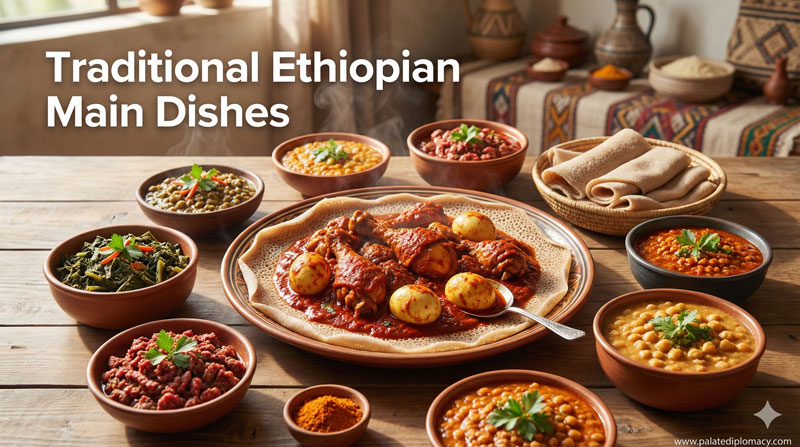
Doro Wat is a rich Ethiopian chicken stew. It starts with a deep onion base, caramelized to a copper color. Berbere, garlic, and ginger weave warmth through the pot. Niter kibbeh adds a buttery depth. Eggs sit in the sauce, soaking up heat and spice. The dish rests on injera, the soft, sour-teff bread. Together they create a plate that invites sharing and slow savoring.
The Heart of the Spice: Berbere and More
Berbere drives Doro Wat. This spice blend blends chili, coriander, fenugreek, cloves, and other aromatics. The result is a perfume of heat and sweetness. Mitmita can offer a sharper note if used. The spices bloom with slow simmering, letting onions release their sweetness first. The discipline of layering flavors mirrors careful home cooking. Each bite reveals depth, warmth, and balance.
Injera: The Plate and the Scoop
Injera is more than a base; it is the instrument of shared dining. The teff flatbread soaks the sauce gently. Communities break bread with their hands, tearing a piece of injera to gather the stew. The sour tang of injera refreshes the palate as chili-spice lingers. The pairing is iconic and practical, letting flavors mingle in every bite.
Craft and Technique
Cooks begin with onions and patience; this is the heart of Doro Wat. They stir, brown, and reduce until the sauce thickens. Spice blends are toasted to release aroma, then folded in. Eggs are added toward the end. The result is a sauce that clings to meat and egg alike. The technique shows care, time, and respect for ingredients.
A Table of Connection
Doro Wat gathers family and friends around a single platter. The ritual is gentle and generous. People share from the same dish, guiding a piece of injera toward the flavors. Hospitality shines as cooks lead the way with aroma and warmth. The meal fosters conversation, memory, and a sense of belonging. In this way, the dish becomes a thread that ties daily life to tradition.
Doro Wat in Everyday Life
This dish appears on celebratory occasions and everyday meals alike. It embodies a seasonal rhythm: harvest spices, fresh onions, and steady heat. The recipe travels through homes via families who teach younger cooks. Each kitchen adds its own voice through tweaks, but the core remains: patience, balance, and generosity. The result is a dish that feels intimate and universal in Ethiopian food culture.
A Warm Conclusion
Doro Wat is more than a recipe. It is a living expression of Ethiopian food culture. The flavors speak of care, time, and place. The act of sharing turns a meal into memory. In every bite, you taste hospitality, craft, and the joy of coming together around food.