
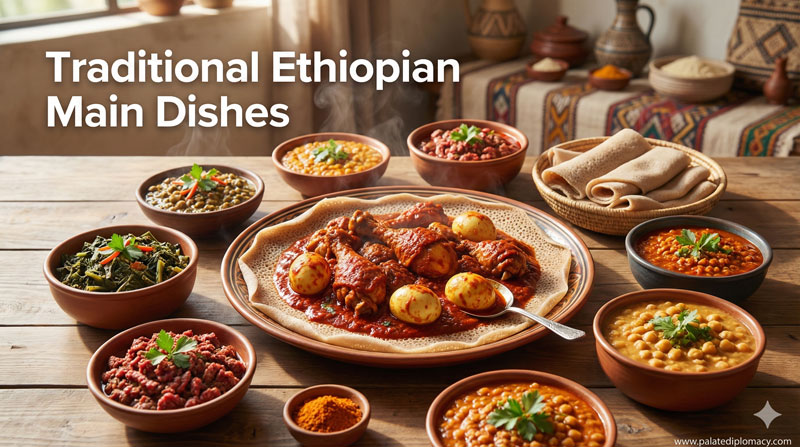
Everything You Need to Know About Tibs begins with the table. Tibs is a celebrated Ethiopian dish of sautéed meat that speaks of warmth, craft, and community. In this post, we explore its cultural value and culinary significance, inviting readers to savor its aroma, texture, and the stories it carries.
What Tibs Is
Tibs is a dish of bite-sized meat, usually beef or lamb, sautéed quickly with onions and peppers. It can also use chicken. The meat is often finished with a touch of butter or oil to create a rich, glossy glaze. A bold spice blend—commonly berbere or mitmita—gives tibs its characteristic warmth. Herbs and aromatics like garlic, garlic cloves, and fresh peppers add depth. The result is a sizzling, bright dish that balances savory meat with lively spice.
Core Ingredients
- Meat cubes (beef or lamb; chicken is also enjoyed)
- Onions, sliced
- Garlic, minced
- Bell peppers or hot peppers
- Berbere spice mix or mitmita
- Niter qibe (spiced clarified butter) or plain oil
- Salt to taste
- Optional: tomatoes, rosemary, or other regional herbs
This combination shows how tibs builds flavor in layers. Each component plays a part, from the meat’s sear to the spice’s warmth.
Cooking Techniques
Tibs shines when the pan is hot. Start with a small amount of niter qibe or oil. Sauté onions until they soften and begin to caramelize. Add garlic, peppers, and spices, letting the aromas rise. Add the meat and sear quickly, keeping pieces separate so they brown evenly. Stir often, then finish with a little butter for sheen. The goal is a vivid, lightly glazed meat with crisp edges and a juicy interior. The technique emphasizes quick, confident movements and steady heat.
Variations and Personal Touches
Households across Ethiopia and beyond have their own tibs twists. You’ll find:
– Spicier versions with extra berbere or green chilies
– Lean tibs using just the meat, onions, and spices
– Richer versions finished with more butter or a splash of broth
– Protein choices beyond beef or lamb, such as chicken or even mixed meats
These variations celebrate the cook’s palate and local ingredients, while keeping the core idea intact: a bright, savory, sizzling dish meant for sharing.
Serving and Etiquette
Tibs is commonly served on a generous platter, often with injera, the sour flatbread that anchors Ethiopian meals. Diners scoop tibs with pieces of injera, creating a harmony of texture and flavor. The sharing setup invites conversation and connection. A familiar practice is gursha, where one person feeds a bite to another as a gesture of hospitality and friendship. This simple act reinforces warmth and togetherness at the table.
Cultural Significance
Tibs embodies hospitality, skill, and daily joy. It appears in family gatherings, market celebrations, and festive meals alike. The dish showcases how a kitchen crafts bold flavor from everyday ingredients. Tibs also highlights a tradition of communal eating, where food becomes a language of care and kinship. The aroma, the sizzling sound, and the bright spices all signal welcome and generosity.
Pairings and Menu Context
Tibs pairs beautifully with injera, which soaks up the sauce and carries the spices. It also works well with plain rice or steamed vegetables for a lighter balance. A cool yogurt side can provide a gentle counterpoint to the spice. For beverages, a bright tea or a traditional drink can complement the meal without overpowering the flavors.
Tips for Making Tibs at Home
- Use a hot pan to achieve a quick sear and lively texture.
- Start with softened onions; they form the dish’s sweet backbone.
- Choose good-quality meat and trim it lightly for a tender finish.
- Adjust the spice level to your taste, adding more berbere or peppers if desired.
- Finish with a small amount of butter for gloss and richness.
- Prepare accompaniments ahead of time so the tibs can come together quickly at serving.
A Warm Invitation to Experience Tibs
Tibs invites you to slow down and enjoy the craft of cooking. Its flavors tell a story of careful preparation, shared meals, and everyday celebration. Whether you cook it at Home or savor it in a kitchen with family and friends, tibs offers a connection to a vibrant food culture. Embrace the aroma, the texture, and the sense of welcome that this dish brings to the table.