
Introduction
Minchet Abish is more than a dish in Ethiopian kitchens. It is a warm welcome on a plate, an invitation to share a meal, and a quiet celebration of everyday hospitality. This minced-meat delicacy blends aroma, texture, and memory, turning an ordinary supper into a small ceremony of togetherness. Across households, Minchet Abish signals care, generosity, and pride in local ingredients. It showcases how simple elements—meat, onions, spices, and flatbread—can unite people around a single table.
What is Minchet Abish?
Minchet Abish is a Traditional Ethiopian dish built from finely chopped or minced meat, usually beef, though lamb and goat are also enjoyed. The meat is awakened by a chorus of aromatics: onions that soften and caramelize, garlic that brightens the scent, and a kiss of ginger or other regional spices. The pan is enriched with niter kibbeh, a clarified butter infused with spices, and the heat comes from berbere, the characteristic Ethiopian chili-spice blend. The result is a savory, slightly spicy dish that pairs beautifully with injera, the sour, spongy flatbread that acts as both plate and utensil.
What sets Minchet Abish apart is its balance. The richness of the butter and the depth of the spice mingle with the meat’s sweetness and the onions’ mellow bite. The texture is soft and comforting, with the minced meat absorbing the spices and releasing their warmth as you pull a piece onto your injera. Each bite feels familiar and inviting, a reminder that food can be a shared ritual as much as a source of nourishment.
A Moment at the Ethiopian Table
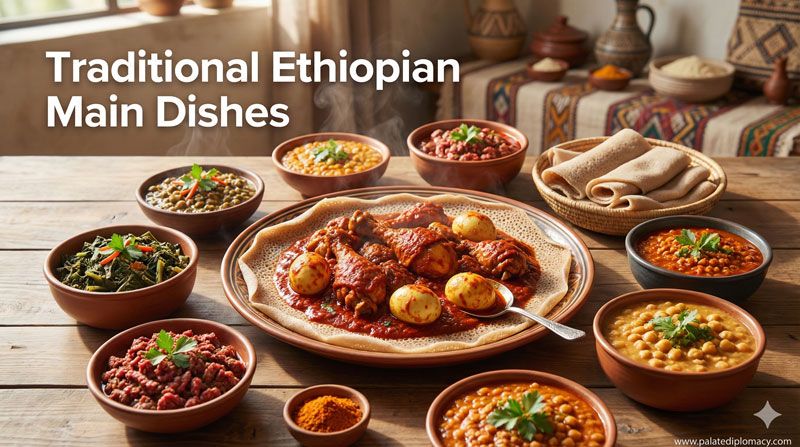
In Ethiopian homes, meals arrive as a social event. Minchet Abish appears on the table alongside other beloved dishes, often arranged on a single large tray or shared bowls. Diners tear a piece of injera, scoop a portion of Minchet Abish, and fold it into a neat roll. This simple action—tearing, scooping, rolling—becomes a small ceremony of community, where everyone participates and contributes to the rhythm of the meal.
The dish also carries a sense of seasonality. Freshly ground spices, quality meat, and local onions come together; the flavor profiles shift with the season and the cook’s touch. In many households, families pass down this technique as a quiet lineage—remembering who taught whom, who adjusted the spice level, and how the meat should simmer to tender perfection. That continuity is part of Minchet Abish’s cultural value: it links generations through taste.
The Craft Behind the Dish
The culinary significance of Minchet Abish rests on three pillars: technique, ingredients, and balance.
-
Technique: Gentle sautéing of onions forms the flavor foundation. When the onions are soft and translucent, minced meat joins the pan and browns slowly. The minced meat should mingle with the aromatics rather than crowd the pan, allowing the spices to coat each morsel evenly. A careful simmer helps the meat stay moist and aromatically vibrant rather than dry.
-
Ingredients: Niter kibbeh adds a silky depth and a nutty, toasty note that lifts the dish. Berbere provides warmth, peppery bite, and complexity, while garlic and ginger (when used) brighten the profile. Fresh onions contribute sweetness, and the choice of meat—beef, lamb, or goat—brings its own character to the finished dish. The quality and regional character of these ingredients matter, and many cooks take pride in sourcing them locally.
-
Balance: The most memorable Minchet Abish feels neither overwhelmingly spicy nor overly rich. The goal is harmony: the butter’s richness, the spice’s warmth, and the meat’s savor all weave together so that none dominates. The result is a dish that invites another bite, another roll of injera, and another shared moment.
Social and Seasonal Significance
Minchet Abish is flexible enough to serve in many settings, from everyday family dinners to larger gatherings. It fits into a culture that values communal eating, where food is a bridge between people. The dish’s communal nature aligns with the Ethiopian preference for shared platters, where everyone partakes from the same spread. This arrangement fosters conversation, laughter, and a sense of belonging.
Seasonally, Minchet Abish may appear as a comforting choice during cooler months or on festive days when families gather after work or school. It’s a dish that travels well within the home, warming the atmosphere as it steams beside injera. Its adaptability—serving with bread, fresh salad, and lentil stews—shows how Ethiopian meals can be a tapestry of flavors and textures, all anchored by one deeply satisfying protein dish.
Pairings, Presentation, and Shared Experience
When Minchet Abish reaches the table, it’s common to present it in a shallow dish or on a wide platter, allowing the fragrance to drift toward the diners. Injera is the natural partner, a porous canvas that soaks up the sauce without losing its own identity. Fresh, simple accompaniments—such as a tangy tomato salad or a cucumber-onion salad—provide a bright contrast that heightens the richness of the meat.
Presentation matters, but the essence lies in the shared experience. Diners gather close, talk easily, and pass portions around with care. The act of sharing reinforces hospitality—the core of Ethiopian food culture—where guests feel valued and at Home. Minchet Abish thus becomes more than nourishment; it is a ritual of togetherness that helps memories form around the table.
A Dish of Hospitality
In its quiet, generous way, Minchet Abish embodies hospitality. It signals a home that welcomes others and a cook who takes pride in creating something comforting and flavorful. The spices carry stories of markets, kitchens, and family recipes, while the butter and meat speak to abundance and care. For those who experience it, the dish offers a sense of place—where food is more than sustenance and where making and sharing a meal becomes a cherished tradition.
Conclusion
Minchet Abish stands out in Ethiopian cuisine for its simple elegance and its strength as a cultural touchstone. It weaves together the aroma of butter and spices, the texture of minced meat, and the generosity of a shared table. It is a dish that invites conversation and connection, while honoring regional ingredients and cooking techniques. In every bite, you taste the spirit of Ethiopian hospitality: warm, welcoming, and deeply rooted in family and community. Whether enjoyed at a quiet family supper or shared among friends, Minchet Abish remains a beautiful expression of food culture at its most heartfelt.