
Discover the Rich Flavors of Kitfo
Kitfo is more than a dish; it is a celebration of balance, craft, and shared moments. In every bite, you sense a thoughtful harmony between fire and fat, spice and subtle sweetness. This is a Traditional Ethiopian preparation that invites curiosity, warmth, and connection. The beauty of kitfo lies in how its simple components come together to tell a story of hospitality, skill, and daily life perfected over generations.
The Core Elements of Kitfo
At its heart, kitfo is minced beef prepared with care. The meat is finely chopped and seasoned with a bright spice blend, commonly including mitmita, a peppery mix that brings heat and depth. The dish is finished with niter kibbeh, a clarified butter gently infused with spices that adds richness and aroma. The result is a tender, slightly spiced center that carries the soul of the kitchen.
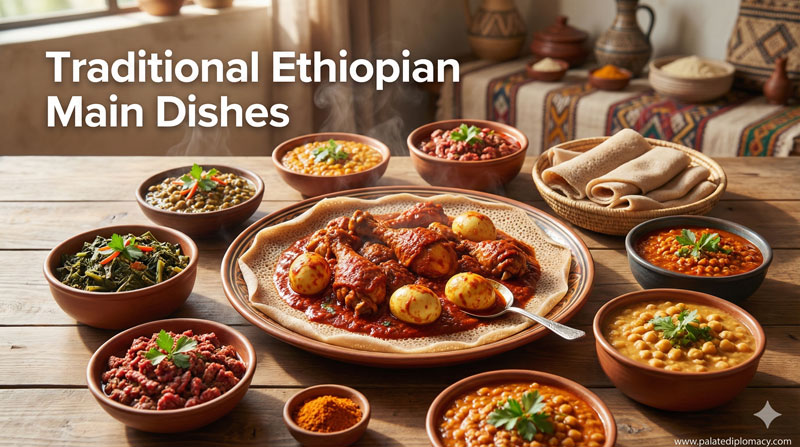
Common accompaniments elevate the experience. Injera, the soft, spongy flatbread made from teff, serves as a natural plate and utensil, inviting you to scoop and cradle the flavors. Ayib, a fresh Ethiopian cheese, adds a mild tang that brightens each bite. Gomen, or cooked greens, provides a fresh counterpoint with green notes and a satisfying finish. Together, these elements create a plate that offers texture, aroma, and balance in every mouthful.
A Craft Shared Across Families
The preparation of kitfo is a careful ritual. Chefs and home cooks toast spices to awaken their oils and fragrance, then blend them with minced beef. The butter—niter kibbeh—brings a glossy sheen and a luscious mouthfeel, binding heat to fat and spice. The texture should be smooth and evenly seasoned, with each granule of spice distributed for a consistent bite.
Technique matters. Some cooks prefer raw kitfo, where the beef remains cool and bright in flavor. Others lightly warm the meat or choose a gently cooked version for a milder bite. Either way, precision matters: the meat should be fresh, the spice blend balanced, and the butter smooth enough to carry the flavors without overpowering them. The result is a dish that feels crafted, not hurried—an edible testament to patience and pride in craft.
Cultural Moments: When Kitfo Shines
Kitfo naturally centers around gatherings. It appears on tables during family celebrations, holidays, and festive dinners, marking moments of togetherness. The dish invites sharing, a warm exchange of greetings and stories as everyone gathers close. A customary gesture, gursha, involves feeding a bite from hand to mouth, a small act that signals respect, hospitality, and mutual care. Through gursha, kitfo becomes a living symbol of generosity and communal joy.
In this spirit, kitfo also becomes a bridge between generations. Younger cooks learn from older mentors, passing down careful slicing, spice balancing, and butter technique. The kitchen becomes a classroom where tradition meets daily life, and every plate carries a memory of the hands that prepared it.
The Eating Experience: Textures and Flavors
The sensory profile of kitfo is inviting and layered. The beef offers a clean, bright flavor that is enhanced by the peppery bite of mitmita. The butter adds a velvet richness, rounding the heat and stitching the components together. If ayib joins the plate, a mild tang lifts the fat and spice, creating a dance of flavors that unfolds with each bite.
Injera acts as both vessel and palate cleanser. Its gentle sourness helps reset the mouth between bites, letting the next mouthful feel fresh again. The greens of gomen provide a crisp counterpoint, while the cheese echoes the dish’s gentle tang. The overall experience is one of comfort, energy, and cultural resonance—food that sustains as it delights.
Regional Variations and Adaptations
Households and regions may tailor kitfo to personal or local tastes, while preserving its essence. Some prefer the intense aroma and raw character of classic kitfo, while others lean toward a lightly warmed version that preserves tenderness without fully cooking the meat. Spice levels vary, with mitmita offerings ranging from mild to bold, allowing each table to set its own pace of heat.
Variations can also appear in accompaniments. While injera remains a faithful partner, some plates emphasize additional cheeses or greens, reflecting seasonal ingredients and family preferences. The core idea stays constant: a finely prepared meat bathed in spice and butter, offered in the spirit of sharing and hospitality.
A Bite of History in Every Plate
Kitfo carries a long, cherished lineage within Ethiopian culinary culture. It embodies a tradition of careful seasoning, fresh ingredients, and a generous spirit. The dish speaks of home cooking that travels beyond the kitchen to the heart of the community. Each serving connects the present plate to a lineage of cooks who have refined technique, balanced flavors, and the joy of feeding others.
This cultural value shines in how kitfo invites curiosity and respect. The careful use of spice, the way butter enriches the mixture, and the practice of serving with injera and ayib all reflect a culinary culture that honors craft, seasonality, and hospitality. The result is a dish that feels both familiar and exciting, a gateway to a rich tradition that many cuisines celebrate in their own way.
Embrace Kitfo at Home
If you wish to explore kitfo at Home, start with freshness and balance. Choose high-quality beef, mince it finely, and toast a simple spice blend to awaken its aroma. Stir in a small amount of niter kibbeh for depth, then adjust heat to taste with mitmita. Serve promptly with injera, ayib, and a touch of greens. Take a moment to appreciate the aroma as you lay the plate on the table, ready for sharing.
If raw preparation concerns you, you can gently warm the meat just enough to bring it to a comfortable temperature, keeping the texture tender and the flavors vibrant. Always prioritize cleanliness and proper refrigeration for raw ingredients, and enjoy the experience as a celebration of skill, tradition, and hospitality.
A Warm Invitation to Explore
Kitfo invites you to slow down and savor. It is a dish built on balance, community, and respect for ingredients. When you bite into it, you taste not only spices and meat but a cultural embrace that welcomes guests, honors hosts, and preserves a living culinary tradition. Seek it in a bustling cafe, a family kitchen, or a home kitchen of your own, and let its richness guide you through a welcoming and thoughtful culinary journey.