
Introduction
Tibs is more than a dish. It is a warm expression of Ethiopian food culture. When you see a sizzling pan, you hear a promise of communal meals and generous hospitality. Tibs brings together aroma, color, and texture in a quick, joyful ritual of cooking. It centers on meat, but it also centers on people—neighbors, family, friends who gather to share and savor. In this post, we explore how tibs reflects the heart of Ethiopian cooking and the everyday art of tasting life together.
Core ingredients and technique
The essence of tibs lies in bite-sized pieces of meat, usually beef or lamb, sautéed with onions, garlic, and peppers. The dish often starts with niter qibe, a fragrant spiced butter, which adds depth and a gentle warmth. Berbere and mitmita offer a bright, peppery kick, while tomatoes or peppers add color and slight sweetness. The technique is simple and quick: hot pan, a quick kiss of oil, onions that soften and sweeten, spices that bloom, and meat that cooks just until tender. The result is a dish that sings with clarity—every component clearly present, yet harmonious as a whole. This balance mirrors Ethiopian Cuisine’s love of clean flavors elevated by careful spice work.
Preparation as a cultural practice
Tibs shines in the kitchen because it mirrors daily life. Home cooks prepare tibs for family meals, for celebrations, and for guests who arrive with smiles. The process is direct and honest: heat the pan, sizzle the aromatics, fold in the meat, season, and finish with a quick toss. The steps foster a sense of rhythm and care that many families carry into their kitchens. As a result, tibs becomes a familiar ritual—an approachable way to honor guests while showcasing skill and hospitality. The dish teaches How to balance heat, timing, and texture, a small culinary lesson repeated in homes across the country.
Serving, sharing, and social meaning
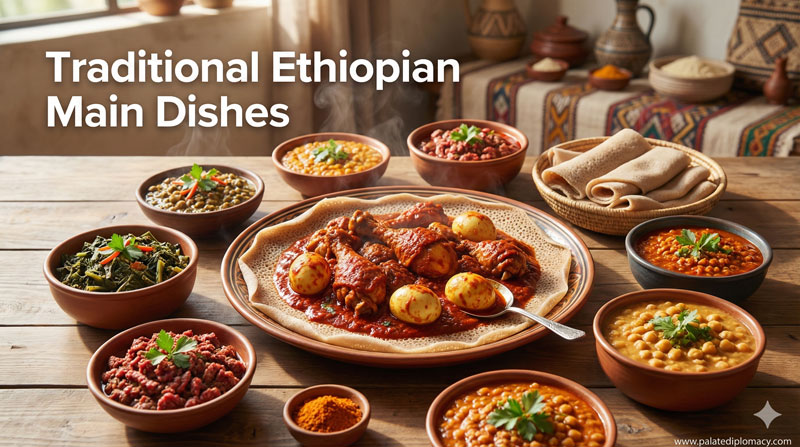
Tibs is traditionally served with injera, the sour, spongy flatbread that acts as both plate and utensil. Diners tear off pieces of injera to scoop up the meat and sauce, turning eating into a shared act. This arrangement reinforces generosity and community. Large platters or serving dishes invite conversation as everyone gathers around the table. The act of sharing tibs—passing, tasting, and adding a final pinch of spice—becomes a quiet ceremony that marks friendship and welcome. In this way, tibs is not just food; it is a medium for connection and warmth.
Flavor profile, aroma, and texture
The flavor of tibs centers on the contrast between bright onions, fragrant butter, and smoky spices. The niter qibe gives a buttery richness that carries the heat of berbere without overwhelming meat’s natural character. Tomatoes or peppers add a forward brightness, while garlic and fresh herbs brighten the mix. Texture plays a key role: the meat should be tender but with a slight bite, the onions soft and glossy, the peppers crisp enough to lift the dish. The aroma—a blend of roasted spice, caramelized onion, and toasted fat—beckons diners to the table and settles into memory.
Regional variations and seasonal touches
Tibs is adaptable and local. Some cooks prefer a drier, more sautéed version with less sauce, allowing the meat and onions to form a glossy glaze. Others add mushrooms, green peppers, or jalapeños for extra heat and color. Spice levels vary by family and region, but the core idea stays constant: a quick, flavorful toss that honors the meat and the shared meal. Seasonally, tibs can reflect what’s fresh in markets—bright peppers in harvest months or heartwarming spices in cooler seasons—keeping the dish vibrant year-round.
Pairings and occasions
Tibs pairs naturally with injera, but it also shines with other staples like rice in contemporary kitchens. The use of niter qibe and berbere makes tibs a flexible centerpiece for gatherings of all sizes. It suits everyday dinners and special occasions alike, from a simple family dinner to a festive get-together with friends. The dish invites people to slow down, breathe, and enjoy the company around the table.
Cultural significance and the beauty of shared meals
Beyond flavor, tibs embodies Ethiopian culinary values: generosity, balance, and attentiveness to guests. It celebrates the artistry of spice and the joy of straightforward cooking. The dish highlights how a few high-quality ingredients can become something greater when prepared with care. Tibs also reminds us that food is a social practice—an expression of welcome, memory, and tradition passed down through kitchens and stories. In this way, tibs is a living connection to Ethiopian food culture, continuously renewed in homes and kitchens across generations.
How to enjoy tibs in daily life
- Start with quality ingredients. Fresh meat, good onions, and a well-made niter qibe make a difference.
- Use a wide, heavy skillet. A hot surface helps the meat sear quickly and evenly.
- Keep the flame brisk but controlled. You want a quick sizzle, not a boil.
- Let the meat rest briefly after cooking. A short rest keeps it juicy.
- Serve with injera and a simple salad to balance flavors.
- Enjoy the moment. The best tibs comes with conversation, laughter, and the warmth of companions.
Conclusion
Tibs stands as a flavorful ambassador of Ethiopian food culture. It is a dish that invites participation, warmth, and shared delight. Through its simple technique, lively spices, and social role at the table, tibs shows how cooking can be both art and welcome. For anyone curious about Ethiopian cuisine, tibs offers a clear doorway into a cuisine that honors people, tradition, and the everyday joy of eating well together.