
Introduction to a Dish and Its Cultural Soul
Minchet Abish offers a window into Ethiopian food culture. This study in texture, spice, and shared ritual shows how a single dish can mirror hospitality, craftsmanship, and seasonal choice. The dish invites conversation at the table and invites every guest to partake in a moment of generosity. Read on to discover how Minchet Abish embodies both culinary significance and cultural value.
What Minchet Abish Is
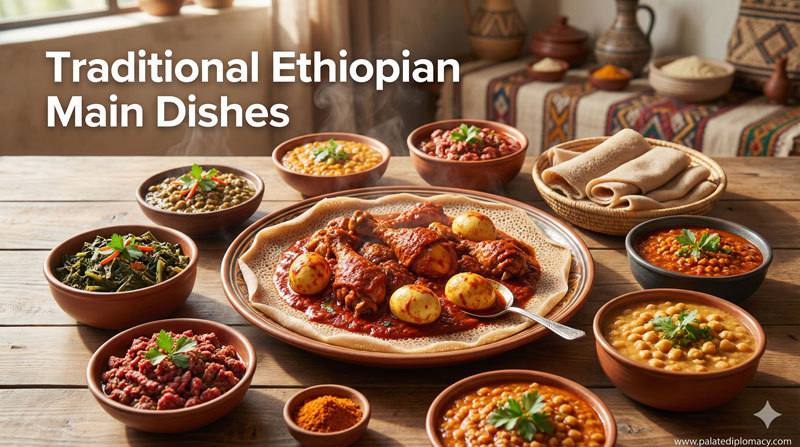
Minchet Abish is a Traditional Ethiopian preparation of finely minced beef. It is seasoned with bold spice blends, often including mitmita and a touch of berbere, and is enriched with niter kibbeh, a spiced clarified butter. The beef is usually served fresh and is commonly enjoyed with injera, the spongy flatbread that forms a natural plate. This arrangement highlights freshness, balance, and a respect for simple ingredients.
The Flavor Story and Texture
The dish presents a dynamic flavor triangle: bright citrus from a final squeeze of lemon, the fire of chili spice, and the rich, smooth notes from spiced butter. The texture is delicate yet substantial, with meat that feels both tender and well defined by the spice blend. When enjoyed with injera, each bite becomes a dance of soft bread, savory meat, and the tang of lemon. This interplay reveals a core idea in Ethiopian Cuisine: harmony among contrasting elements to create a cohesive, memorable bite.
The Table as a Stage for Hospitality
Minchet Abish is more than food; it is a social act. At table, the host often presents the dish with care, inviting guests to share a portion on their injera. The communal serving reinforces a spirit of belonging and respect for guests. The act of sharing strengthens social bonds and celebrates generosity, a valued aspect of Ethiopian food culture. In this setting, flavor becomes a language that communicates welcome and warmth.
Ingredients as Cultural Clues
- Beef: Fresh, high-quality meat reflects a commitment to seasonality and care.
- Mitmita and Berbere: These spice blends carry regional character and a tradition of precise blending.
- Niter Kibbeh: Spiced clarified butter adds depth and aroma, linking cooking to ceremonial flavor.
- Onions and citrus: Simple aromatics that brighten the dish and connect to daily cooking rituals.
- Injera: The soft, tangy bread that doubles as plate and utensil, underscoring the unity of food and tableware.
Together, these elements illustrate how Ethiopian cuisine builds depth from accessible ingredients, turning everyday meals into meaningful experiences.
Regional Touches and Variations
Across regions, cooks may adjust spice intensity, citrus brightness, or butter usage. Some kitchens favor a stronger mitmita punch, while others lean toward a subtler balance that lets beef taste shine. These variations show how Minchet Abish adapts to local tastes while preserving its core identity. The flexibility speaks to a broader culinary principle: tradition guides but does not confine, allowing a dish to evolve while staying true to its roots.
Serving, Pairing, and Ceremony
Minchet Abish shines when paired with the right accompaniments. Injera acts as a natural utensil and vessel for the sauce, while a side of ayib (soft cheese) or gomen (collard greens) can complement the richness. The serving method—shared portions, communal platters, and careful presentation—emphasizes generosity. Each component supports the central idea: food culture built on hospitality, balance, and attention to detail.
Culinary Significance in Ethiopian Food Culture
This dish highlights a philosophy of mindful sourcing, precise spice work, and seasonal generosity. It showcases how flavor, texture, and aroma converge to honor ingredients and guests alike. Minchet Abish is a testament to the careful craft of Ethiopian cooks, who blend tradition with personal flair in every batch. The dish, in its simplicity and depth, reveals why Ethiopian cuisine is cherished for its warmth, rhythm, and sense of belonging around the table.
Conclusion
Minchet Abish stands as a delicious ambassador of Ethiopian food culture. It embodies hospitality, balance, and the joy of sharing a well-prepared meal. Through its ingredients, preparation, and table-side ritual, the dish teaches us how flavor and culture intertwine. Taste it with respect, savor its textures, and you glimpse the beauty of Ethiopian culinary tradition.