
Everything You Need to Know About Doro Wat
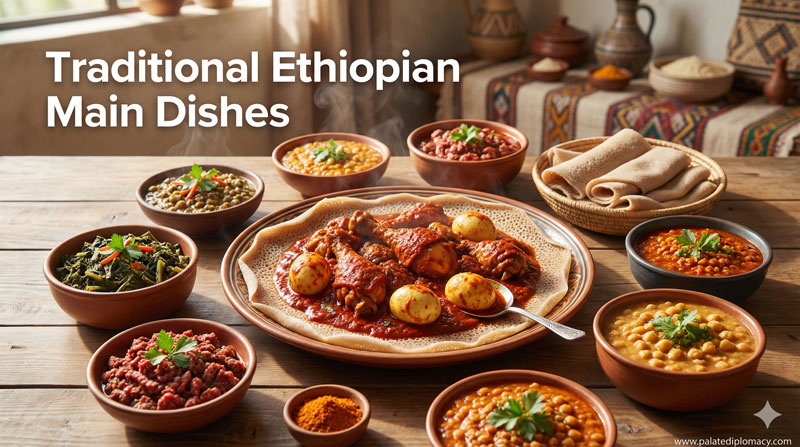
Doro Wat is a celebrated Ethiopian chicken stew that warms the table with depth and character. Chefs build its flavor slowly, letting onions, spices, and butter mingle into a rich, comforting sauce. The dish often graces festive gatherings and daily meals alike, inviting everyone to share in its fragrant glow.
What makes Doro Wat special
First, the aroma draws you in. Second, the blend of spices delivers depth without haste. Third, the texture offers tenderness that clings to each piece of chicken. In addition, the eggs tucked into the sauce absorb the spicy goodness, creating little bursts of flavor with every bite. The dish stands as a testament to patience, balance, and a love of layered tastes.
Core ingredients and signature techniques
The backbone of Doro Wat is a few powerful elements. Berbere, a bold spice mix, provides heat, warmth, and complexity. Niter kibbeh, a spiced clarified butter, adds a velvety richness. Onions, often caramelized through long cooking, create the sweet, savory base that carries the heat and aroma. The chicken simmers gently to stay juicy, while the eggs remain nestled in the sauce, absorbing the spices. Finally, injera, the sour flatbread made from teff, serves as both plate and utensil, inviting a communal and tactile dining experience.
The flavor journey: from aroma to finish
As the sauce thickens, the onions melt into a glossy foundation. The berbere gives a bright, peppery kick, while the niter kibbeh glides through with a buttery smoothness. The combination produces a sauce that coats each chicken piece in a warm glaze. When eggs are added, they become little flavor capsules, balancing heat with a mellow bite. The result is a dish that rewards attentive cooking and careful tasting.
Serving culture and table rituals
Doro Wat is traditionally shared at the center of the table, often with injera laid out for everyone to gather around. Guests tear off pieces of injera to scoop the stew, turning eating into a tactile, social act. It is common to place one or more hard-boiled eggs atop the sauce, creating inviting pops of color and flavor. The meal often arrives with a sense of ceremony, where hospitality and togetherness take the foreground.
Cultural value and culinary significance
Doro Wat embodies hospitality in its most generous form. The dish signals warmth, care, and the joy of gathering with others. It showcases how simple ingredients—onions, spices, clarified butter, and chicken—can be elevated through time, patience, and thoughtful technique. The preparation itself becomes a passage of learning, shared recipes, and memory-making, passing from cook to cook and family to family. In this way, Doro Wat is more than a meal; it is a living thread in the taste culture of Ethiopia.
Regional notes and modern twists
Across regions, cooks tailor Doro Wat by adjusting spice levels, bond with the butter, and the exact length of simmering. Some versions emphasize a brighter heat, while others lean toward a deep, velvety richness. Modern kitchens may experiment with slight tweaks, yet the essence remains: a soulful stew built on onions, spices, and care. Regardless of variation, the dish keeps its place as a centerpiece that invites sharing.
A lasting invitation to explore Ethiopian cuisine
If you seek a dish that celebrates fragrance, texture, and communal dining, Doro Wat offers a clear path. Its beauty lies in how simple elements unite to create something greater than the sum of their parts. Taste, aroma, and ritual come together in every spoonful, inviting curiosity and appreciation for Ethiopian culinary craft.