
Why Kitfo Is One of Ethiopia’s Most Loved Dishes
Kitfo is more than a dish. It sits at the heart of Ethiopian dining, inviting warmth and conversation. The core idea is simple: finely minced beef, brightened with spices, and softened with a fragrant butter. This combination creates a bold, clean balance of heat, richness, and freshness. Traditionally, kitfo is served raw or lightly cooked, reflecting a preference for texture and intensity. Chefs take care to use fresh meat and to grind it to a smooth, even consistency. In every bite, you feel the craft and the care that goes into preparing a truly loved dish.
What Is Kitfo?
Kitfo is a dish built on precision. The beef is minced very finely and mixed with mitmita, a chili and spice blend that brings a gentle bite and a burst of aroma. Niter kibbeh, a spiced clarified butter, is whisked in to create a luscious, creamy sheen. The result is a bright, savory bite with depth from warm spices. Some households offer a soft cheese called ayib to add a creamy contrast. The dish is often enjoyed with injera, a sour, spongy flatbread that serves as both plate and utensil.
The Craft Behind the Flavor
Next, the skill lies in balance. The beef must be ground evenly to a smooth texture, so every mouthful feels coherent. The spice mix is prepared with mindfulness: enough heat to wake the palate, enough aroma to linger. The butter is heated gently, infused with spices, and then folded into the meat with steady, careful motions. This creates a glossy, inviting mixture. Attention to temperature matters: raw kitfo offers a different experience from lightly seared kitfo, and both showcase the same depth of seasoning and freshness.
A Taste of Ethiopian Culture
Kitfo embodies a culture of hospitality and shared meals. It appears during family gatherings, festive feasts, and everyday meals alike. The dish invites conversation as people gather around a common spread. Its beauty lies not only in flavor but also in the ritual of preparation, sharing, and appreciation. Across households, kitfo signals generosity, skill, and pride in local ingredients and traditional methods. The scent of warm spices and butter invites smiles and slows the pace to savor the moment.
Traditional Serving and Accompaniments
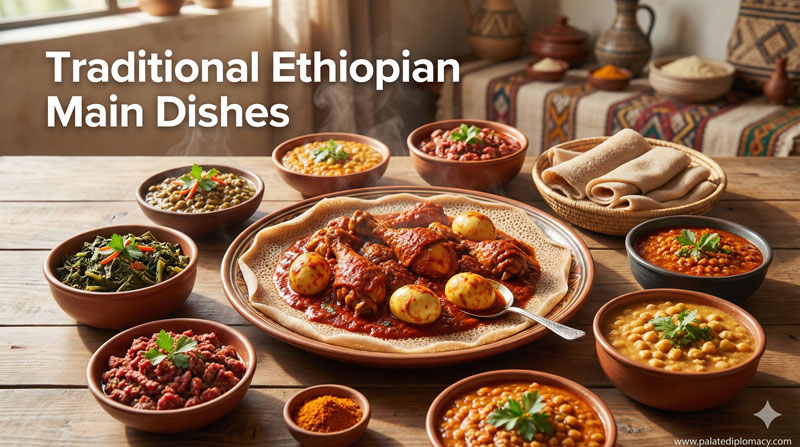
In practice, kitfo is part of a larger table of flavors. Injera acts as a soft, edible plate, tearing away easily to scoop the meat and sauces. Ayib cheese adds a creamy note that contrasts with the heat of mitmita. Green vegetables or mild stews often populate the sides, offering balance and texture. A simple sip of tej (honey wine) or fresh tea can complement the meal. The arrangement is welcoming: a feast designed for sharing, not for individual praise.
Regional Touches and Variations
Different regions bring gentle twists to kitfo. Some cooks lean toward a crisper texture with slightly cooked kitfo, while others honor the traditional raw form. Spice levels can vary, from milder to more pronounced, reflecting local tastes. While the core elements stay the same—beef, mitmita, and niter kibbeh—the final balance becomes a reflection of what a community loves to taste on that day.
Rituals of Hospitality and Celebration
Hosting a kitfo moment is a pledge of hospitality. The host offers portions to guests, guiding who tastes first and How to share from the same plate. People use pieces of injera to scoop, savor, and appreciate every layer of flavor. The experience becomes a dialogue between aroma, texture, and spice. In this setting, the dish helps create lasting memories, built on respect for ingredients and for one another.
Conclusion
Kitfo stands out in Ethiopian Cuisine for its clean, vibrant flavor and its role in bringing people together. Its cultural value rests in the careful balance of ingredients, the skill of preparation, and the joy of sharing a meal that feels personal and communal at once. As a culinary expression, kitfo honors tradition while inviting every listener to taste the warmth of Ethiopian food culture.