
The Story Behind Tibs
Tibs is a favorite Ethiopian dish, timeless and welcoming. The name comes from Amharic, describing the act of frying or sautéing. In homes and markets, tibs often marks a lively moment at the stove. Pieces of meat meet a hot pan, then soften with onions, garlic, and peppers. A kiss of berbere spice and a splash of niter qibe, a spiced clarified butter, bring warmth to the pan. The dish fills the room with aroma and invites conversation at the table. Tibs is a canvas for family cooks to express care, skill, and seasonality. It sits at the heart of many meals, signaling hospitality and shared joy.
Core Flavors and Key Techniques
Tibs shines when three flavors lead the way: sweet onion, bright garlic, and bold spices. Berbere adds depth with pepper, cumin, and fenugreek notes. Niter qibe adds a fragrant, silky layer that lifts every bite. Meat is cut into small pieces so it browns quickly and stays tender. The sizzling pan creates a quick sear, then the spices bloom in the fat. Some cooks add tomatoes for tang and color, while others focus on peppers for a crisp bite. The result is a dish that tastes bright, warm, and inviting. Injera on the side catches the sauce, completing the experience.
The Cooking Moment: From Pan to Plate
The kitchen moment matters as much as the recipe. Start with a hot skillet and your preferred fat. Sear the meat until it browns evenly. Add onions and a pinch of salt to help them release sweetness. Stir in garlic, then the spice blend—berbere and sometimes mitmita for extra heat. A touch of tomatoes or peppers can join the mix. Let the flavors mingle briefly, then finish with a pat of niter qibe. The pan yields a rich sauce that coats the meat just enough. The dish remains vibrant, easy to savor, and ready to share.
Sharing Tables and Traditions
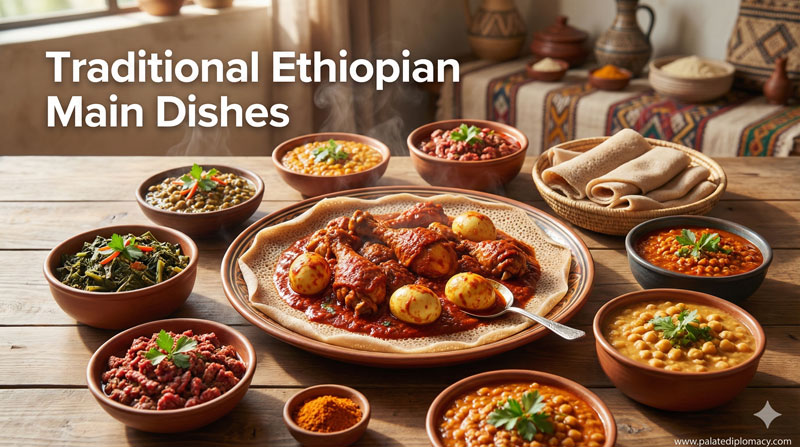
Tibs is often served on a large platter for a communal meal. Injera forms the natural plate and utensil, so diners pinch a piece of bread to scoop up meat and sauce. The act of sharing strengthens bonds and creates a warm atmosphere. A moment of “gursha,” where one person feeds another with a bite of tibs and injera, embodies hospitality and care. These rituals highlight the social fabric around food in Ethiopian culture. Tibs becomes more than a meal; it is a canvas for conversation, laughter, and gratitude.
Varieties: Beef, Lamb, Goat, and Veggie Expressions
Beef tibs is the classic classic, but lamb and goat tibs also shine with their distinct richness. Some cooks switch to mushrooms or a colorful array of vegetables for a lighter version. Each variation keeps the core idea: quick searing, vibrant onions, and a chorus of spices. The choice of spice level lets cooks tailor the dish for every palate. Across kitchens, tibs mirrors the season and the cook’s touch. Yet the heart remains the same—a celebratory, deeply flavorful dish meant for sharing.
A Living Culture on the Plate
Tibs embodies a simple philosophy: good ingredients, careful technique, and generous hospitality. The dish showcases how Ethiopian cooks balance heat, sweetness, and aroma in harmony. It mirrors the rhythms of daily life—market trips, family kitchens, and lively tables. The result is a dish that feels both familiar and festive. Tibs invites you to slow down, notice aromas, and savor togetherness. In every bite, you taste culture, craft, and the beauty of community on the plate.
Close: Welcoming Every Table
If you try tibs, you invite a story to your table. You welcome neighbors, friends, and family to share in warmth and flavor. The dish stands as a bright thread in Ethiopian Cuisine, weaving together technique, spice, and hospitality. With injera at hand, tibs becomes a graceful, delicious way to celebrate togetherness. Let the aroma guide you, the texture delight you, and the shared moment live on in your memory.