
Introduction
Dulet stands as a bright thread in Ethiopia’s rich tapestry of flavors. This dish, beloved across households and markets, blends tradition with everyday ingenuity. It invites the senses with its aroma, its bright seasoning, and its warm hospitality. In this post, we explore what makes dulet special in Ethiopia—its cultural value and its culinary significance. You will see how dulet reflects care, craft, and community. The goal is to celebrate the beauty of the dish and its place in daily life, without layering in outside streets or distant histories. Just the joy of a well-made plate and the smiles it brings when shared.
A Dish Rooted in Craft
Dulet springs from a careful, practiced approach to ingredients. Cooks typically use finely chopped beef offal—such as liver, heart, and sometimes tripe—along with onions, garlic, and a blend of spices. The mixture is sautéed with patience, then brought together with herbs like parsley or cilantro for brightness. Berbere, a warm, fragrant spice blend, often leads the scent, followed by the tang of fresh lemon juice or a squeeze of lime. The technique emphasizes balance: the sizzling sound, the way the spices bloom, the sheen of the pan as moisture caramelizes. Home cooks and chefs alike honor technique, yet they adapt to the moment—what quality of meat is on hand, what heat level the kitchen can sustain, and how the dish will be enjoyed. The result is a dish that feels crafted, not hurried—an edible expression of care.
Flavor, Texture, and Aroma
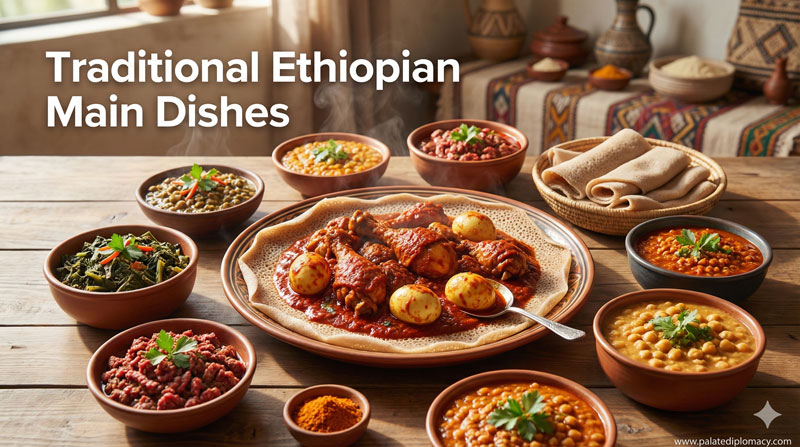
Dulet greets the palate with bold, clean flavors. The meat is deeply savory, its natural richness brightened by onions and citrus. Berbere adds warmth and a gentle heat that lifts the dish without overpowering it. Fresh herbs provide a crisp counterpoint, giving a lift that makes the plate feel almost alive. The texture is a lively mix: the tender chew of finely chopped offal, the softer bite from onions, and the occasional pocket of caramelized bits that offer a honeyed contrast. When enjoyed with injera—the spongy, tangy Ethiopian flatbread—the flavors mingle. The bread soaks up juices and sauces, creating a harmonious bite that is both comforting and exhilarating. The overall experience is one of clarity and depth: a simple method revealing layers of taste through precise timing and respectful seasoning.
Social and Culinary Roles
Dulet is more than a dish; it is a social ritual in many Ethiopian homes and eating places. The preparation often happens in the kitchen as a communal activity or as a dedicated moment for a skilled cook. When the pan sings, families gather to share the aroma, to set the table, and to welcome guests with warmth. Servings appear on a shared platter, usually accompanied by injera, fresh salad, and perhaps a squeeze of lemon or a dab of chili paste. The act of sharing dulet reflects hospitality: inviting someone to partake, ensuring everyone has enough, and celebrating the appetite that brings people together. In markets and festivals, dulet showcases culinary craftsmanship and generosity. Vendors demonstrate the cook’s touch in real time, inviting passersby to pause, taste, and appreciate the skill involved. This dish thus functions as a bridge—between cooks and diners, between generations, and between the morning market and the evening meal.
Regional Variations and Personal Touches
Across Ethiopia, families and kitchens add personal touches to dulet. Some cooks favor liver as the main meat, while others emphasize heart or a mix of offal for a richer texture. Spices may vary by region or family tradition; a touch more berbere in one kitchen, a hint of straight black pepper in another. Fresh herbs and a splash of citrus can shift the dish from bold and robust to bright and zesty. These variations speak to a living culinary culture. They show how a single dish can carry multiple flavors while preserving a common spirit of simplicity, restraint, and care. The variations also highlight what people value in their food: heartiness, clarity of flavor, and a sense of home that comes from a familiar plate offered to guests and loved ones alike.
The Experience of Cooking Dulet
Watching a dulet come together can be a mindful, almost meditative process. The cook starts with a polished mise en place: chopped onions, minced garlic, spices measured with care, and offal prepared to the right size. The sizzling sounds, the way spices bloom when they hit the hot pan, and the color transformation—from pale to caramel to deep brown—tell a story of heat managed with attentiveness. In many kitchens, the moment the herbs are added signals a final touch: a fresh squeeze of lemon, a scattering of chopped greens, a last stir to blend flavors. This careful sequence—the build, the bloom, the finish—mirrors the Ethiopian value of patience and precision in cooking. The result is a dish you can savor with the accompaniment of quiet conversation and shared laughter.
Pairings and Serving Suggestions
Dulet shines when paired with the right companions. Injera serves as natural sculpture and spoon in one, allowing diners to scoop portions and watch juices mingle on a broad surface. A simple onion salad, dressed with lemon and perhaps a touch of oil, adds crisp brightness that lifts the plate. A side of ayeb or fresh cheese can add a creamy counterpoint, if desired. For drink pairings, a light, refreshing beverage helps balance the spice and richness. The idea is to keep the focus on dulet’s character—its savory core, its herbaceous lift, and its lively aroma—while allowing the bread and sides to complement without overpowering.
How to Appreciate Dulet at Home
To honor dulet at Home, start with quality ingredients. Fresh offal, if available, yields a more lively flavor than frozen substitutes. Clean and trim with care, and let the pan do the rest: let onions soften and release sweetness before adding spices. Keep the heat steady to avoid scorching, and finish with fresh herbs to brighten the dish. Taste as you go; a bright finish of citrus can illuminate the dish’s natural richness. Finally, invite friends and family to share the moment. The true beauty of dulet emerges not only from the palate but from the warmth of the table and the smiles around it.
Conclusion
Dulet is a dish that embodies Ethiopian culinary spirit: bold in flavor, precise in technique, and generous in spirit. Its cultural value rests in the way it brings people together—around a shared plate, around stories and jokes, around the simple joy of good food prepared with care. Its culinary significance lies in the balance it achieves between hearty nourishment and refined aroma, between tradition and adaptable home cooking. When you experience dulet, you experience a piece of Ethiopian food culture that speaks softly of hospitality, craft, and the beauty of a dish well made.