
Introduction
This post, How Kitfo Reflects Ethiopian Food Culture, invites you to explore a dish that reveals the heart of a cuisine. Kitfo is minced beef seasoned with spiced butter and native spices. It shows how heat, fat, and freshness come together. The dish travels through markets, homes, and cafes, tying flavors to memory. In this piece, we focus on cultural value and culinary importance. We look at how kitfo is prepared, served, and celebrated in everyday life. The result is a portrait of Ethiopian hospitality and craft.
The Core of Kitfo
At its heart, kitfo blends finely minced beef with a warm, bright fat called niter kibbeh. The meat is seasoned with mitmita or peppers and often a hint of cardamom. The balance of spice, meat, and fat creates a clean heat and a rich aroma. Chefs tune the grind and spice for a silky texture. Some versions are very raw, others are lightly warmed. This balance mirrors a broader practice in Ethiopian cooking: precision with generosity.
Preparation and Ingredients
Cooks start with fresh beef and grind it to a fine texture. They melt niter kibbeh with spices to release aroma. The spice mix, mitmita, adds heat and a citrusy note. A touch of salt rounds the flavors. The dish rests briefly, letting flavors blend. Fresh injera and gomen often accompany kitfo, creating a complete pairing.
Flavor and Texture
Kitfo offers a bright, clean beef flavor enhanced by butter. The texture is smooth and tender from the fine grind. The heat from peppers awakens the palate without overwhelming it. The butter carries spice, giving a lingering warmth. The result is a dish that feels both comforting and precise.
Social and Cultural Significance
Kitfo fits into daily meals as well as special gatherings. It invites sharing, as diners scoop with injera. The dish reflects a culture that values hospitality and attentiveness. Preparing kitfo is an act of care, inviting the household to gather and watch flavors unfold. The method honors tradition while inviting personal adaptation. This blend of practice and warmth shows how Ethiopian Cuisine centers on people and the meals they share.
Serving Traditions
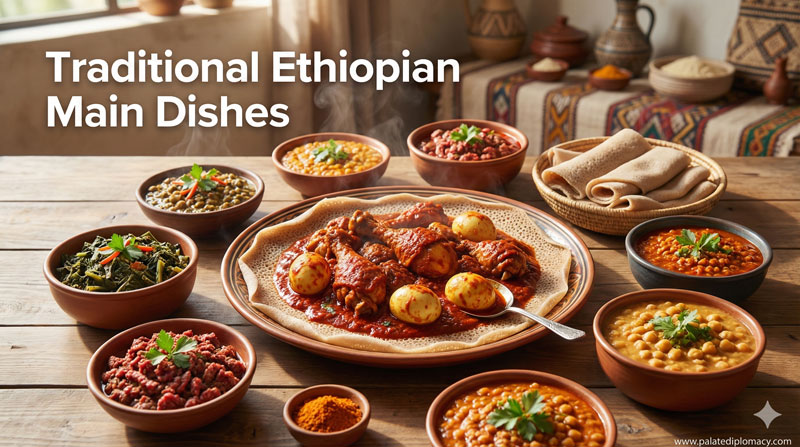
Typically served on a flat injera in the center of the table, kitfo becomes a communal experience. Sides like ayib and gomen balance the heat. Diners tear pieces of injera and use them to scoop the kitfo. Guests are greeted with warmth, and hosts check in to ensure comfort. The serving pace is gentle, allowing conversation to unfold around the plate.
Regional Variations
Across regions, cooks adjust grind size, spice ratios, and heat levels. Some households prefer milder forms with less mitmita. Others celebrate a more robust pepper profile. Fresh herbs and citrus notes occasionally appear in the spice mix. The choices reflect local tastes, markets, and family recipes. This variation enriches the dish while keeping its core identity intact.
Conclusion
Kitfo embodies Ethiopian food culture through its balance of heat, fat, and fresh meat. It speaks of hospitality, shared meals, and careful craft. By exploring its preparation and serving, we glimpse a cuisine that honors people and place.