
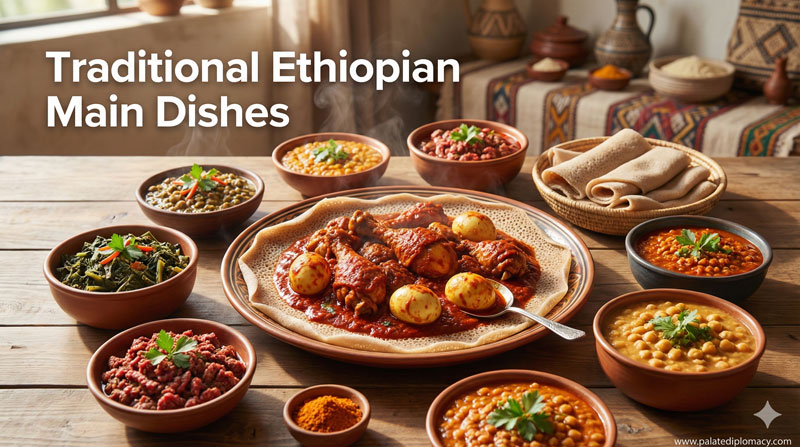
Why Travelers Are Falling in Love with Tibs
Tibs is a vibrant Ethiopian dish that travelers meet with curiosity and leave with comfort. It centers on bright, briskly sautéed meat, blended with onions, peppers, and a mosaic of spices. The result is a sizzling, fragrant plate that feels both energetic and welcoming. Its appeal lies in the way a single skillet tells a story of home, hospitality, and daily life.
What is Tibs? Ingredients and Variations
At its core, tibs means a lively fry. Chefs usually use beef or lamb, sometimes chicken, cut into bite-sized pieces. Onions, garlic, and tomatoes form the base, while berbere and salt sharpen the flavors. Niter kibbeh, a spiced clarified butter, adds a warm, nutty depth. Some versions include peppers, mushrooms, or herbs for brightness. It is commonly served with injera, the soft, spongy flatbread made from teff, and often accompanied by a simple salad or cooked greens. The dish adapts to mood and season, yet its rhythm remains the same: quick, respectful cooking that honors the ingredients.
The Sizzle and the Stories
When tibs hits the pan, the kitchen fills with inviting aroma. The meat sears, releasing juices that mingle with onions and spices. That sizzling sound creates a sense of immediacy and celebration. Travelers often notice how the dish moves from the stove to the table with a cheerful pace, inviting conversation and shared bites. The technique highlights balance—meat’s richness countered by the zing of berbere and the silkiness of butter. Each bite offers a memory of bustling markets, warm kitchens, and friendly faces.
Cultural Value: Hospitality, Shared Tables, and Everyday Life
Tibs shines as a symbol of Ethiopian hospitality. It is a dish prepared with care for friends and family, then laid out for all to share. The practice of eating together around injera lifts the meal into a social ritual. In many homes, tibs becomes a centerpiece during gatherings, feasts, and simple Sunday meals. This communal style reinforces trust, warmth, and a sense of belonging. For travelers, tibs offers a doorway into everyday food culture, where nourishment meets generosity.
Tibs on the Global Table: Travel and Culinary Discovery
Travelers are drawn to tibs for its bold yet approachable flavors. The dish invites curiosity without overwhelming the palate, especially when prepared with milder heat or seasonal vegetables. Its versatility makes it easy to encounter tibs in urban markets, family-run eateries, and contemporary restaurants alike. The sensory experience—aroma, texture, and the bright pop of spice—creates a memorable introduction to Ethiopian Cuisine. In short, tibs serves as a flavorful bridge between local tradition and global curiosity.
Pairings, Serving Traditions, and the Tablecloth of Flavor
Tradition often pairs tibs with injera, the perfect tool to scoop and balance. The tangy teff bread soaks up juices and acts as a natural utensil, enhancing every bite. Some diners add a side salad or cooked greens to brighten the plate. A cup of hot tea or coffee after the meal can complete the experience, turning dining into a moment of lingering warmth. In many places, tibs is a dish that invites conversation about ingredients, technique, and regional tweaks, enriching the travel encounter with cultural depth.
How to Experience Tibs Authentically
Seek tibs made with fresh, local ingredients and a respectful touch of niter kibbeh. If you are uncertain about spice, ask for a milder version or a separate bowl of berbere on the side. Observe the cook’s method: the timing of adding onions, the heat level, and how quickly the dish comes together. Eat with injera to feel the full texture and balance, and allow the flavors to carry you through a moment of shared delight. Traveling with patience and curiosity will help you savor tibs as a living piece of food culture.
A Gentle Farewell: The Beauty of Tibs
Tibs is more than a dish; it is a conversation between fire, spice, and community. Its rhythm reflects everyday life and the joy of gathering around a table. For travelers, tibs offers a welcoming entry into Ethiopian flavors and a lasting memory of warmth, aroma, and hospitality. In every sizzling bite, the dish invites you to pause, savor, and connect.