
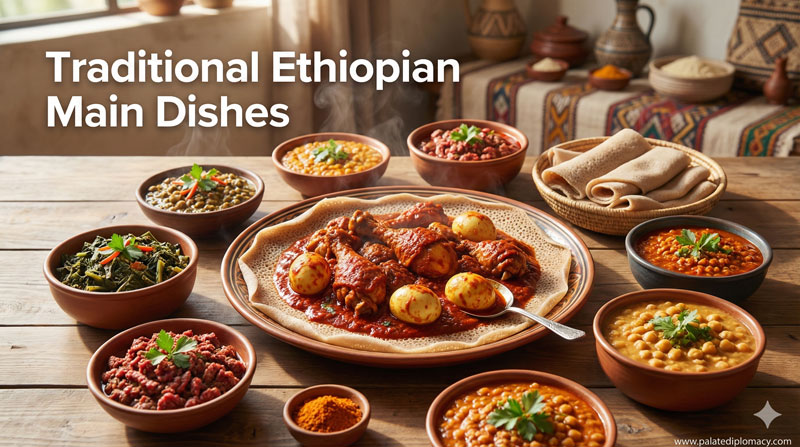
A Dish Rooted in Ethiopian Dining
Dulet is a beloved Ethiopian dish that many households prepare with care. It centers on finely chopped organ meats—usually liver, heart, and sometimes other offal. Onion, garlic, and a kiss of spice flavor the mix. Butter or niter kibbeh adds depth. The result is a fragrant, savory dish that shines on a shared platter. It is most often enjoyed with injera. The balance of texture and aroma makes it inviting for both first-time tasters and seasoned palates.
What Dulet Brings to the Table
Dulet offers more than taste. It offers memory, hospitality, and a sense of place. The aroma lingers, inviting relatives and friends to gather. The textures—crispy edges, soft center—deliver contrast with every bite. The spices provide warmth without overpowering the natural flavors of the offal. This dish is a celebration of technique and tradition, not a quick plate.
The Craft: Techniques that Elevate Dulet
Begin with fresh ingredients. Finely chop the organ meats to a uniform size. Sauté onions until their sweetness shines. Add garlic and spices such as mitmita pepper or a pinch of berbere. Stir in liver pieces and other offal, letting the heat release their richness. Stir until pieces are just cooked through. Finish with a touch of niter kibbeh and a squeeze of lemon or lime to brighten the finish. Serve hot.
Cultural Significance at the Table
In Ethiopian homes, dulet often arrives on a shared platter. The dish anchors meals that are about togetherness. Family members pass around injera, tear a piece, and take a bite. Sharing demonstrates respect and generosity. Hosting a dulet plate signals welcome. People savor the aroma as a sign of care and craft from the kitchen. In this way, dulet helps maintain the rhythm of everyday life and special gatherings.
Regional Flavors and Variations
Across regions, cooks adapt dulet to local tastes. Some use a mix of liver and heart; others include tripe for a different texture. The spice blend can lean hotter in some towns and milder in others. Some kitchens finish with fresh herbs or a hint of lime. The core idea remains: a finely chopped, well-seasoned mix that cooks quickly and fragrant. This flexibility shows the dish’s resilience and its place in daily cooking.
Serving Traditions and Etiquette
Dulet is typically served on injera, with other stews on the same plate. Diners tear a piece of injera to scoop up bites. The dish invites the gursha, a gentle feeding gesture that conveys hospitality and affection. A bite is shared among the table, not held by one person alone. This practice speaks to the social heart of Ethiopian dining.
Dulet in Everyday Ethiopian Life
Today, dulet appears in family kitchens, at neighborhood eateries, and during festive meals. It rewards careful preparation and mindful tasting. The dish travels well on a stove or grill, and it pairs with the tang of injera and fresh salads. For cooks, dulet offers a chance to honor the craft of spice, heat, and timing.
A Welcome to Try Dulet at Home
If you want to experience dulet, start with small portions. Choose fresh liver and another offal, if available. Use a simple spice mix of onions, garlic, mitmita, and niter kibbeh. Cook quickly, maintaining color and tenderness. Serve on injera and share with friends or family. The ease of preparation makes it a warm, inviting meal that celebrates Ethiopian culinary artistry.