
What Makes Doro Wat So Special in Ethiopia
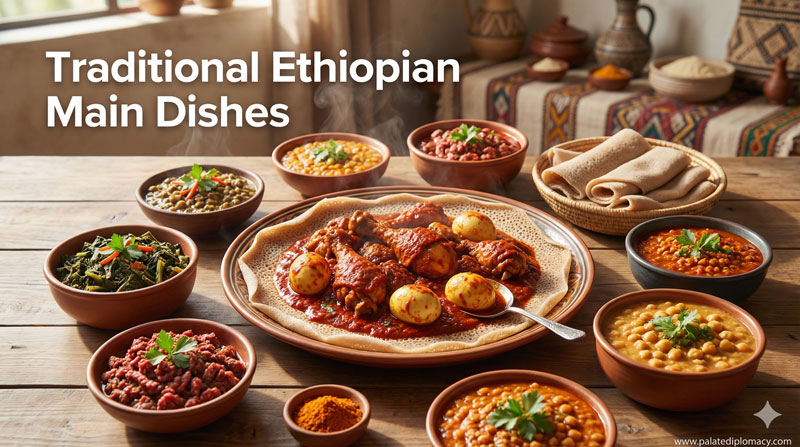
Doro Wat is more than a dish in Ethiopia. It is a warm invitation to share, listen, and celebrate together. The aroma of spices, the deep color of the sauce, and the tender chicken speak to a culinary tradition built on hospitality and patience. This dish shines in its ability to bring people to the table and to spark stories that travel from one generation to the next.
The Essence of Doro Wat
At the heart of Doro Wat is a rich, comforting chicken stew. The base is a generous layer of caramelized onions, slowly cooked until they are dark and sweet. Berbere, a bold spice blend, adds heat and depth. Niter kibbeh, a fragrant clarified butter infused with spices like cardamom and cinnamon, gives the sauce a silky, velvety texture. Garlic and ginger brighten the mix, balancing heat with warmth. The result is a sauce that clings to meat and bread, carrying a distinct Ethiopian character. Hard-boiled eggs are then added, becoming part of the finished dish and a symbol of fullness and hospitality. This combination—sweet onions, spicy heat, rich butter, and tender chicken—defines the beloved allure of Doro Wat.
The Craft of Flavor: Key Ingredients
- Chicken, preferably bone-in for extra flavor
- A large quantity of onions, slowly browned
- Berbere spice blend for warmth and depth
- Niter kibbeh for a luminous, creamy richness
- Garlic and ginger for brightness
- Optional tomato paste for a touch of fruitiness
- Hard-boiled eggs as a welcoming, extra-filling component
- Salt to taste
- Injera, the sour flatbread, served alongside to scoop and balance
Each ingredient carries cultural meaning. Onions form the base that carries the sweetness of long-slow cooking. Berbere brings a smoky, peppery profile that many families customize over time. Niter kibbeh connects the dish to Ethiopian kitchens, where clarified butter is infused with notes of spice and herb. Eggs add texture and a festive note, especially in larger gatherings. Together, these elements create a harmony that feels both familiar and refined.
Cooking as Culture: Technique and Texture
First, onions are cooked patiently until deeply browned, releasing their natural sweetness. Next, spices are stirred in with a touch of oil or butter, awakening bold aromas. Then chicken joins the pot and simmers slowly, absorbing the spices while releasing its own savory flavors. The sauce thickens as it cooks, taking on a glossy, inviting sheen. Finally, eggs are nestled into the bubbling sauce to warm through and become part of the meal. The end result is a stew with a glossy red-brown color, a fragrant aroma, and a balance of heat, sweetness, and richness. The technique rewards calm attention and careful tasting, inviting cooks to adjust salt and spice with care. The texture is robust but tender, with meat that almost falls from the bone and a sauce that clings to each bite.
A Dish of Gatherings: Social and Cultural Significance
Doro Wat is often prepared for special occasions and family gatherings. It sits at the center of the table, inviting sharing and conversation as pieces of injera are pulled toward the plate. The act of serving and dipping becomes a communal ritual, reinforcing bonds and hospitality. In many homes, the recipe travels from parent to child, each generation adding a small, personal touch. The dish embodies a spirit of generosity: a pot shared among friends and relatives, a moment of togetherness, and a table set for welcome. By its very nature, Doro Wat turns a meal into an occasion for connection, conversation, and gratitude.
Regions and Traditions: Regional Variations
Different regions and families may adjust Doro Wat to reflect local tastes. Some cooks opt for a milder heat, while others embrace a stronger level of spice. The balance of onions, butter, and spices can vary, yet the core idea remains the same: a slow, respectful approach to building flavor. Variations may include slightly different spice beyond berbere, or adjustments to cooking time to achieve a preferred tenderness. Regardless of variation, the dish keeps its essence as a shared, celebratory meal that centers on warmth, generosity, and the joy of eating together.
Savoring and Serving: Arrangements and Pairings
Doro Wat is best enjoyed with injera, the spongy Ethiopian flatbread that soaks up the sauce. The pairing creates a tactile experience: lift injera, dip it into the sauce, and savor the blend of spice, butter, onion sweetness, and chicken richness. A well-prepared batch offers a slow, satisfying rhythm—one bite, another bite, a small moment of contentment. A simple tea or coffee after the meal can complement the lingering aroma of spices and provide a gentle finish to the feast. In many households, this dish is part of a larger tradition of sharing and warmth that extends beyond the plate to conversations, stories, and smiles around the table.
Keeping the Flame Alive: Preservation and Legacy
Recipes for Doro Wat travel through families and kitchens, adapting with care while preserving core techniques. Leftovers become another meal opportunity, as the flavors often deepen with time. Cooks may customize the spice balance to fit taste and occasion, but the essential spirit remains: a dish that honors guests, nourishes the body, and celebrates the craft of Ethiopian cooking. Through careful practice and mindful sharing, Doro Wat survives as a living tradition—one that keeps the kitchen as a place of welcome and memory.
Conclusion: The Heart of Ethiopian Cuisine
Doro Wat stands as a testament to the beauty of Ethiopian food culture. Its layers of flavor, its patient method, and its role in gatherings all point to a cuisine that values generosity, heritage, and the pleasure of eating together. The dish invites you to slow down, notice the aroma, and savor a moment of connection with others. In every bite, you taste a story of hospitality, tradition, and the humble joy of sharing a meal with friends and family.