
A Complete Guide to Enjoying Kitfo Like a Local
Kitfo is more than a dish. It is a window into daily life, shared meals, and careful culinary craft. When people gather around a table, kitfo often shines as a centerpiece that brings warmth and conversation together. This guide invites you to experience kitfo with the curiosity and respect that locals bring to their own kitchen and celebrations.
What Kitfo Is and Why It Matters
Kitfo is a traditional Ethiopian dish that features finely minced beef. It can be served raw or lightly cooked, depending on preference. The beef is seasoned with a bold blend of spices, typically mitmita, and enriched with niter kibbeh, a spiced clarified butter. This combination creates a balance of clean beef flavor, heat, and a velvet butter finish. The dish is usually enjoyed with injera, a sour flatbread, and is often accompanied by ayib (a soft cheese) and gomen (collard greens). This trio—meat, bread, and tangy sides—embodies a harmony that is highly valued in Ethiopian food culture.
The Craft Behind Kitfo: Techniques That Matter
The precision of kitfo starts with the meat. The beef is minced finely, so every bite feels silky and uniform. at Home, some cooks gently warm the meat for a brief moment to soften the texture; others prefer it fully raw for a cool, delicate chew. The spice paste, mitmita, provides a clean, pungent heat, while the nutty, fragrant notes of niter kibbeh add depth. The butter is not just fat; it is a carrier of aroma. In many households, the butter is prepared with care and poured slowly to bloom the spices. Finally, the meat is mixed evenly with the spice and butter so every bite holds balance and character.
Texture and Flavor: What to Expect on the Plate
Enjoying kitfo is a study in contrast. The ground beef delivers a smooth, tender texture. The spices provide a bright, peppery warmth that wakes the palate. The spiced butter adds a rich, silky finish that lingers pleasantly. Injera acts as a sour, moist canvas. It absorbs the flavors without dulling them, while ayib and gomen introduce tang and greens for freshness. The overall experience feels bright, comforting, and precisely balanced, with each element playing a clear role.
Serving Traditions: How It Is Put on the Table
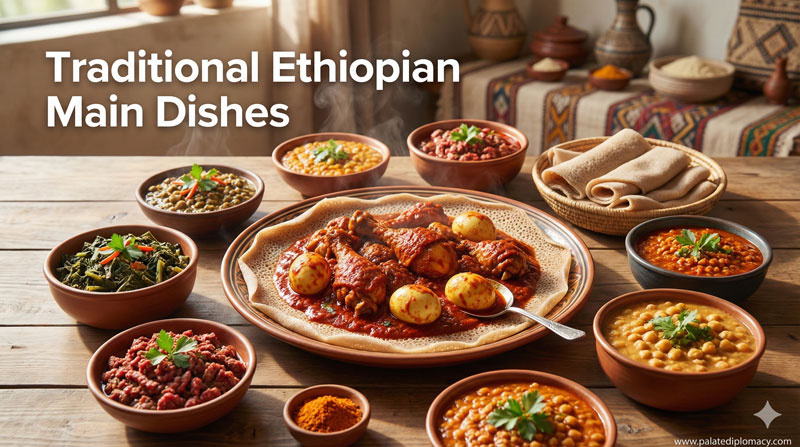
In many homes, kitfo arrives on a wide, shallow platter. Injera surrounds the dish as both plate and eating utensil. A small side of ayib sits nearby to cut the heat and add creaminess. Gomen provides a green, leafy counterpoint. Diners tear pieces of injera to scoop the kitfo, then use a larger piece of bread to capture the creamy butter and spices. The result is a communal, hands-on meal that invites sharing and conversation.
Enjoyment Rituals: Steps to Savor Like a Local
First, take a moment to observe the aroma. Next, test the texture with a small bite to gauge spice and warmth. Then, pair a portion of kitfo with a bite of injera, followed by a touch of ayib or gomen. Finally, repeat, adjusting your bites to balance fat, heat, and acidity. Throughout, the emphasis is on harmony: the bite should feel clean, lively, and comforting all at once.
Etiquette and Community Spirit
Eating kitfo is often a communal affair. If you are new to the table, observe how others pace their bites and follow their lead. Offer pieces to others with a nod or a smile, and respond with gratitude or a simple “enjoy.” The goal is to share, not to rush. Silence can feel respectful when everyone takes time to savor. Above all, kindness and attention to the food are valued as part of the dining ritual.
Regional Variations and Occasions
Within Ethiopia, you may notice small differences in spice balance or accompaniment. Some regions favor a bolder heat; others prefer a subtler touch. Kitfo can appear on everyday meals and on special occasions alike. In festive settings, families may showcase extra care in the butter, the balance of spice, or the quality of injera. Yet the core idea remains the same: a refined, communal dish that honors the ingredients and the cook’s craft.
Beverages and Complementary Flavors
A traditional pairing often includes sweet, fizzy, or lightly alcoholic drinks that refresh the palate between bites. Tej, a honey-wine, is a common celebratory choice when available. Coffee, served after the meal, can accompany quiet conversation and reflection. Water or a lightly flavored tea also pairs well, allowing the kitfo’s brightness to shine.
Tips for Selecting and Preparing Kitfo at Home
- Choose fresh beef and keep it cold until you are ready to prepare.
- If serving raw, ensure high-quality meat and clean preparation surfaces.
- For a lighter version, lightly sear the meat briefly, then finish with the spice and butter.
- Use a good balance of mitmita and niter kibbeh to achieve the signature warmth without overpowering the beef.
- Serve with injera, ayib, and gomen for the classic trio that frames the dish.
A Respectful Appreciation: Craft, Culture, and Care
Kitfo reflects careful craft and thoughtful balance. It celebrates the farmer’s meat, the spice blend, and the time spent to perfect every miniature detail. The dish invites guests to slow down, share, and savor the moment. In this way, kitfo becomes more than food; it becomes a living memory of a table, a family, and a culture’s love for good flavor.
Final Thoughts
Kitfo offers a vivid entry into Ethiopian culinary culture. It blends precise technique with generous hospitality and a deep respect for ingredients. By tasting with awareness and sharing with others, you honor the dish and its place in daily life. Enjoy kitfo Like a local, and let every bite tell a story of care, flavor, and connection.