
How Dulet Reflects Ethiopian Food Culture
Dulet is more than a dish. It is a lens into Ethiopian food culture. It shows how cooks honor ingredients, How Families welcome guests, and how a table becomes a shared stage for conversation and connection. Through its preparation, texture, and aroma, dulet reveals a culture that values resourcefulness, balance, and warmth.
The Core Ingredients and Craft
Dulet centers on finely chopped offal, typically beef liver, heart, and sometimes other organs. The meat is folded with onions, garlic, and peppers. It is seasoned with spices such as mitmita or berbere, salt, and a touch of fresh herbs. A spoonful of niter kibbeh, the spiced clarified butter, adds depth and a gentle richness. The result is a fragrant, ruby-hued mixture that invites the senses. The preparation emphasizes fresh work and quick cooking to preserve tenderness and brightness. Everything is minced or chopped to a fine texture so every bite carries a cohesive flavor.
The Art of Preparation: Freshness and Technique
Cooks prepare dulet with care and focus. They heat a pan, melt the niter kibbeh, and add onions until they glow. Garlic and peppers follow, releasing their aroma. Then the chopped offal goes in, stirred steadily to avoid overcooking. The goal is a soft, cohesive mash with distinct individual flavors. The finish often includes a squeeze of citrus or a light sprinkle of herbs to lift the dish. This technique highlights rhythm in the kitchen: swift, steady, attentive. Freshness is not optional; it is essential to the dish’s character and its place on the table.
Sharing, Hospitality, and Table Etiquette
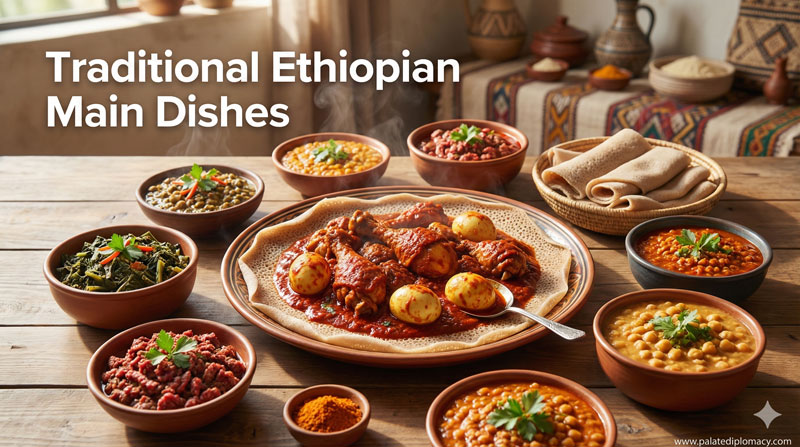
Ethiopian dining centers hospitality and community. Dulet commonly arrives as part of a larger spread, alongside injera and other morsels. Injera acts as both utensil and accompaniment, used to scoop and balance intense flavors. The act of sharing is graceful and practical; a plate of dulet invites everyone to taste, compare, and savor together. In many homes, a large mesob—the round, woven serving surface—brings people close around the food. The ritual of gathering around dulet reinforces a sense of belonging and mutual respect at mealtime.
The Flavor Story: Aromatics, Texture, and Balance
The aroma of dulet is inviting and warm. Spiced butter mingles with the sweetness of onions, while peppers deliver a clean, lingering heat. The texture blends tenderness with a gentle chew, thanks to the careful chopping of the offal. The flavor profile balances savory, nutty notes from the fat, bright tang from onion and citrus, and a measured heat from the spices. This balance mirrors Ethiopian culinary values: harmony among ingredients, clarity of taste, and a sense of nourishment that satisfies without overwhelming the palate.
Dulet in Everyday Life and Special Moments
Dulet appears in both everyday meals and celebrations. It is prepared for family dinners, market meals, and gatherings with friends. Its preparation can be swift for a quick, hearty lunch or extended for a special occasion when guests are present. In every setting, dulet invites conversation and slows the pace of the meal just enough for people to connect. The dish demonstrates how a simple combination of ingredients can become a meaningful part of daily life and shared joy.
Regional Variations and Local Identity
Across Ethiopia, households tailor dulet to their tastes and what’s available. Some cooks favor a milder spice, others embrace a bolder heat. The mix of offal may vary, and the balance with onions, herbs, and fat shifts with local traditions. These small variations celebrate local identity while preserving the essential essence: a minced, fragrant, quickly cooked dish that brightens the meal and honors ingredients. The flexibility of dulet highlights a culinary culture that values adaptability and personal touch.
Pairings with Injera and Beverages
Dulet is most often enjoyed with injera, the sour flatbread that softens and soaks up flavors. The combination allows diners to experience the full aroma and texture in a single bite. A cup of strong Ethiopian coffee or a glass of tej (traditional honey wine) can accompany the meal, enhancing the social and sensory rhythm of the feast. The pairing emphasizes balance: the food’s richness, the bread’s tang, and the accompanying brew’s warmth all work together to create a comforting and memorable dining moment.
A Living Tradition: What Dulet Teaches Us About Ethiopian Cuisine
Dulet embodies core Ethiopian culinary values. It honors the whole ingredient set, including offal, through careful preparation and respectful seasoning. It emphasizes immediacy and freshness, offering a bright, clean flavor when cooked just right. Above all, dulet showcases hospitality. The dish invites people to gather, share, and savor together, turning a meal into a shared experience. In this way, dulet stands as a quiet ambassador of Ethiopian food culture—grounded in technique, sensory richness, and the joy of communal eating.