
The Story Behind Dulet, a Favorite Ethiopian Food
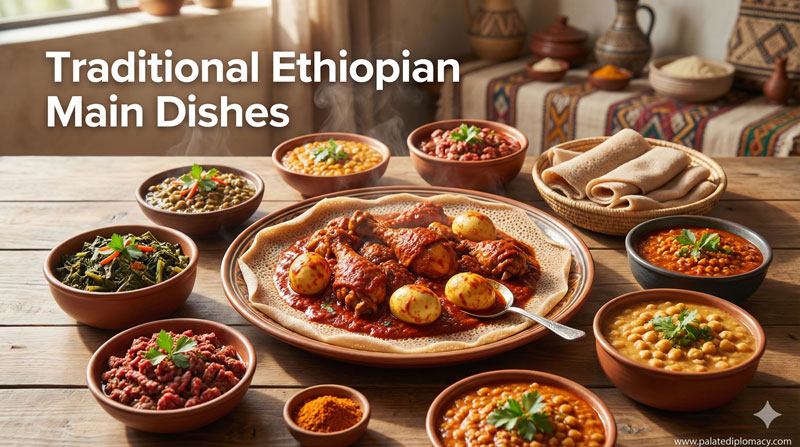
Dulet is more than a dish. It is a conversation on a plate. In Ethiopian kitchens, dulet speaks of skill, balance, and shared meals. The dish blends finely chopped organ meats with onions, garlic, and spices, then sizzles quickly to seal in aroma. It shines at markets, family tables, and festive gatherings. The Story of dulet is the story of Ethiopian food culture: practical, fragrant, and deeply communal. Injera acts as a soft bed that carries the flavors and invites hands to scoop and share. This post invites you to listen to the gentle crackle, to notice the colors, and to feel the respect that cooks bring to the table.
What Dulet Is: A Portrait of Texture and Flavor
Dulet is a dish of minced organ meats, usually liver and tripe, sometimes heart, that are chopped finely and sautéed with onions and spices. The meat stays tender and bright because it cooks quickly. The blend of berbere and mitmita adds warmth and a clean bite. Niter kibbeh, a scented spiced butter, enriches the mix. The result is a dish that is not heavy but lively, with a sheen of oil and a vibrant aroma. The balance of fat, lean meat, and onion makes it feel both comforting and exciting at the same time. The dish invites you to dip, scoop, and savor.
Core Ingredients and Their Roles
- Liver, tripe, and sometimes heart or other organs, finely chopped
- Onions, a cornerstone for sweetness and aroma
- Garlic and a touch of ginger for brightness
- Berbere and mitmita for warmth and heat
- Niter kibbeh or a similar clarified butter for depth
- Salt to balance flavors
- Fresh lemon juice or a squeeze at the end for brightness
- Injera on the side to scoop and catch every bite
The Cooking Craft: From Pan to Plate
Start with a hot skillet. Melt niter kibbeh and swirl. Add chopped onions and cook until translucent and fragrant. Stir in garlic and any fresh spices, then the chopped meat. Toss quickly; keep the mixture moving to prevent overcooking. The meat should be just tender, with a hint of crisp edges. Sprinkle berbere and mitmita, then a splash of lemon or lime. Taste and adjust salt. The dish finishes with a glossy sheen and a bright aroma. Serve immediately with injera. The quick, careful technique preserves tenderness and elevates flavor.
Cultural Value: Community, Craft, and Celebration
Dulet embodies a culture of craft and hospitality. It is a dish that thrives in mixed-ingredient kitchens, from home cooks to street vendors. The preparation is a small ceremony: a brief work of chopping, frying, tasting, adjusting. Sharing dulet reinforces bonds and invites conversation around the table. The aroma invites smiles and gives everyone a sense of welcome. A good dulet demonstrates respect for ingredients, skillful timing, and a calm, generous spirit. It can anchor a meal and elevate a simple gathering into a memorable moment.
Serving Traditions: Injera, Onions, and More
Dulet is most often served on injera, the sour flatbread that soaks up flavor. Guests tear pieces of injera to scoop the mix. A few slices of onion, fresh lemon juice, or a side of salad may accompany the plate. A small dish of awaze, a peppery sauce, or a light cucumber salad can add contrast. The key is balance: the tang of injera, the warmth of spice, and the brightness of onion. Eating dulet together emphasizes sharing and slows down the pace of the meal, letting flavors unfold.
Regional Variations and Personal Touches
In different places, cooks adjust the spice level and the fineness of the chop. Some use more onions for sweetness; others add a touch of green chili for brightness. The choice of meat varies by kitchen: liver and tripe are classic, but some families favor beef or lamb. The tradition invites personal touch: a bit more niter kibbeh, a different blend of berbere, or a quick squeeze of lemon at the end. These tweaks reveal the care and personality of each cook while keeping the heart of the dish intact.
Dulet in Everyday Ethiopian Food Culture
Dulet reveals how Ethiopian cuisine blends speed with depth. The fast sauté creates aroma in moments, while thoughtful seasoning lingers on the palate. The dish highlights the respect for ingredients, including organ meats, which are treated with care and appreciation. It demonstrates balance: richness from fat, brightness from onion and citrus, warmth from spice. Dulet also showcases the connectivity of meals, where meat, bread, and sauce meet at the same shared plate. This is the beauty of Ethiopian food culture in a single bite.
A Warm Invitation to Explore Dulet
If you have a chance, try dulet at a market stall or at Home with a trusted recipe. Start with a small batch, respect the cooking time, and adjust heat gradually. Pair it with injera, a simple onion salad, and a bright lemon wedge. Listen to the crackle, notice the colors, and savor the balance of flavors. Dulet invites you to slow down, taste, and celebrate a dish that has fed many generations with care and joy.