
Introduction: A Dish That Welcomes with Its Scent
Minchet Abish is a beloved thread in the tapestry of Ethiopian Cuisine. It invites the family to the table and opens a window into everyday hospitality. This dish, made from finely minced meat and bright spices, carries a quiet dignity that blends with the warmth of home cooking. Its popularity grows not only from taste, but from the way it carries memory, ritual, and shared joy. In Ethiopian kitchens, Minchet Abish is more than a meal; it is a signal of welcome, a sign that guests are cherished, and a daily reminder of how food can gather people together with ease and grace.
What Minchet Abish Is: Flavor Made Accessible
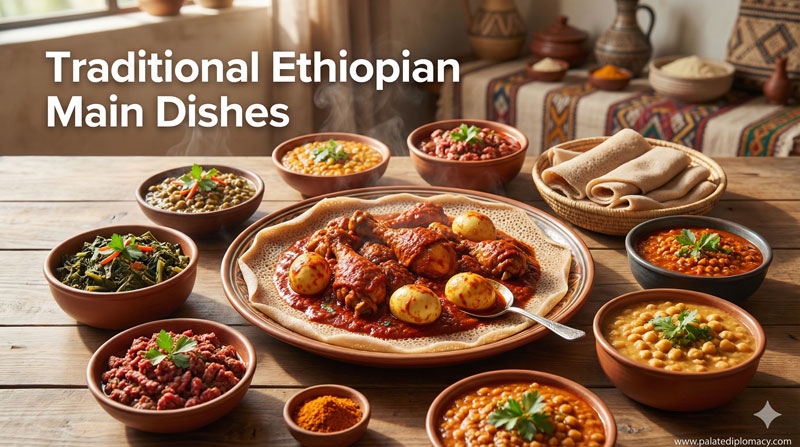
Minchet Abish translates to a simple idea captured in a savory form: minced meat that is prepared with care. The core is tender, ground beef or lamb, gently browned and then heated with a chorus of aromatics. Onions, garlic, and oil form the base, while berbere and other spices lift the dish with warmth and brightness. A touch of niter kibbeh—spiced clarified butter—adds a silky, nutty depth. The result is a sauce that clings to the meat, drawing out each nuance of sweetness and spice. The dish shines when paired with injera, the sour, spongy flatbread that acts as both utensil and companion. In this pairing, Minchet Abish reveals how Ethiopian flavors balance acidity, fat, and heat to create a memorable bite.
The Craft: Technique That Elevates Everyday Cooking
The appeal of Minchet Abish lies in thoughtful technique as much as in ingredients. Start with a careful browning of the meat to develop a rich foundation. Then soften onions slowly, allowing their natural sweetness to emerge. Add garlic, spices, and a splash of stock or water to keep the mixture moist. The slow simmering phase is essential; it lets the meat absorb the spice air and the butter’s mellow sheen without losing its shape. Niter kibbeh is used with restraint to avoid overpowering the balance of flavors. Finally, a quick finish—maybe a squeeze of lime or a whisper of fresh herbs—brightens the dish just enough to lift the meat from savory to memorable. This method honors patience and precision, hallmarks of refined home cooking.
Senses at Play: Aroma, Texture, and Harmony
As Minchet Abish cooks, the kitchen fills with a welcoming fragrance: toasted spices, caramelized onions, and the nutty glow of spiced butter. The texture is a dance between softness and bite, with meat that remains tender yet distinct from the sauce. Each bite carries a chorus of flavors—savory meat, the warmth of berbere, the buttery gloss of niter kibbeh, and the gentle tang from injera. The dish is a bridge between the bright acidity of injera and the deep, quiet richness of the meat. This harmony is a testament to Ethiopian culinary thinking: balance and contrast working together to create a dish that feels both comforting and vibrant.
Serving Traditions: Food as a Social Light
Minchet Abish is most alive when shared. It is commonly served on a spread of injera, inviting everyone at the table to tear a piece and scoop from the platter. This practice turns the meal into a communal ritual, where conversation and laughter mingle with the aroma of sizzling meat. The dish adapts to family size and season, appearing at everyday dinners as well as special occasions. Its versatility—paired with fresh salads, a simple lentil stew, or a bright cucumber-tine dip—allows it to travel through different tables while keeping its essence intact. In every setting, Minchet Abish underscores the Ethiopian value of togetherness around food.
Modern Echoes: Tradition in Today’s Kitchens
In many contemporary Ethiopian restaurants and homes, Minchet Abish continues to evolve while honoring its roots. Chefs experiment with spice blends, smoke, and local ingredients, yet they preserve the dish’s core: a fragrant meat sauce that welcomes the eater with warmth. The dish travels gracefully from small-town kitchens to urban eateries, proving that tradition can be flexible without losing soul. This adaptability adds to its popularity, because it remains recognizable and comforting while inviting curious palates to discover its depth. The result is a living tradition: a dish that grows with each cook’s touch and each table’s memory.
Conclusion: A Celebration of Culture, Craft, and Care
Minchet Abish stands as a humble yet powerful emblem of Ethiopian food culture. Its value rests not only in flavor, but in how it invites participation, conversation, and shared experience. The dish showcases careful technique, balanced spice, and the generosity of a table that welcomes guests with a generous plate. In this way, Minchet Abish is more than sustenance; it is a joyful expression of community, craft, and care that continues to enrich Ethiopian cuisine today.