
A Local Favorite: Doro Wat in Ethiopian Culture
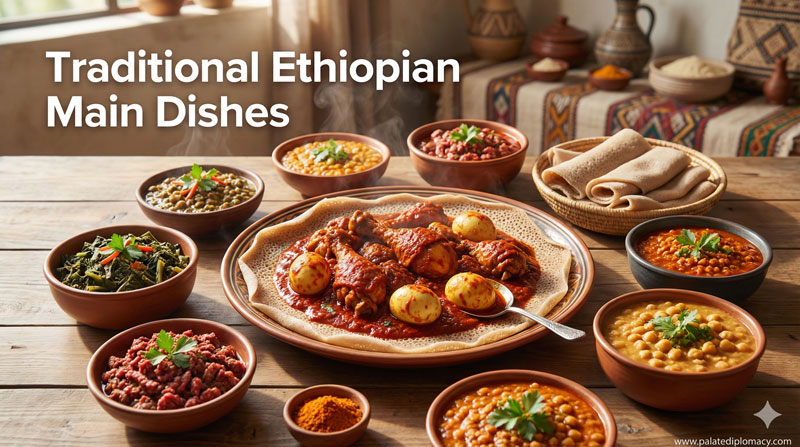
Doro Wat stands as a beloved centerpiece in Ethiopian cooking, valued for its warmth, aroma, and the way it brings people together. This bright, fiery chicken stew carries a sense of home and ceremony. Its depth comes from a gentle, patient simmer, a blend of spices, and a rhythm of shared meals. When families gather, the scent of onion, garlic, and berbere fills the room, inviting everyone to the table. Doro Wat is more than a dish; it is a quiet celebration of craft, time-honored technique, and the joy of sharing a single pot with loved ones. The dish speaks softly of hospitality, respect for ingredients, and the care that goes into a family recipe handed down through generations.
Core ingredients and technique
What makes Doro Wat unmistakable is its harmony of ingredients. A foundation of slow-softened onions builds sweetness and body. Berbere, a fragrant chili blend, adds warmth and a subtle heat that lingers on the palate. Niter kibbeh, a spiced clarified butter, carries a toasty aroma and rounds the sauce with smooth richness. Garlic and ginger lend brightness, while a dash of cardamom or cinnamon can appear in some family versions, adding a whisper of perfume. Traditionally, chicken pieces simmer in this sauce until tender, and hard-boiled eggs are often added toward the end for extra richness and texture. The result is a sauce that clings to each bite, inviting you to savor a balance of heat, sweetness, and herbal depth.
Injera: The Plate, The Spoon, The Experience
Injera, the sour teff flatbread, is central to the Doro Wat experience. It serves as both plate and utensil, a chewy, airy canvas that soaks up the savory sauce. Tear a piece of injera and use it to scoop, wrap, and pick up bites of chicken and egg. The texture and tang of injera contrast beautifully with the spicy, glossy sauce. When served on a large platter, injera surrounds the stew, allowing everyone to participate with their own portion. The act of tearing, dipping, and sharing creates a gentle ritual that makes the meal feel communal and inclusive.
The slow simmer: A ritual of flavor
Doro Wat rewards patience. The onions take time to caramelize and release their natural sweetness, forming the backbone of the sauce. As the spices bloom, the sauce thickens and becomes glossy. A careful heat ensures the flavors concentrate rather than scorch. This gradual process is a quiet lesson in respect for ingredients and for the cook’s craft. The final texture should be lush, not greasy, with the chicken tender and the sauce clinging invitingly to every piece. When you bite in, you taste the care that went into every step.
Social dining: Sharing and etiquette
Eating Doro Wat is a social act as much as a culinary one. Families and friends gather around a shared platter, passing dishes and drinks with warmth. In many households, the host leads the serving, and everyone participates in the rhythm of the meal. Use the right hand to tear, scoop, and transfer bites. Take small portions to start, allowing flavors to unfold gradually. Listen for the natural pauses in conversation and savor the scents as they rise from the platter. This way of dining emphasizes hospitality, connection, and the quiet satisfaction of enjoying good food together.
Variations and regional flavors
Across regions and families, Doro Wat can vary in heat level, spice balance, and the exact spice blend. Some cooks emphasize a bolder berbere, while others favor a lighter, sweeter note from the onions and butter. The proportion of niter kibbeh may shift, producing different aromatic profiles. Eggs may be added whole or halved, and some kitchens experiment with gentle smoky hints or a touch of fenugreek. These variations reflect local ingredients, family memories, and personal tastes, all contributing to a living tradition that remains recognizable at its core.
Pairings and beverages
Doro Wat shines with simple accompaniments. A crisp, lightly chilled beverage cleanses the palate between bites, while a warm cup of coffee or a long, aromatic tea complements the meal’s comforting notes. If available, a subtle honey wine or tej can be served in small amounts to enhance the celebration without overpowering the spices. The goal is balance: drink and bite in harmony so the richness of the sauce persists as the centerpiece of the experience.
How to enjoy like a local: a step-by-step guide
- Seek an authentic version: look for a place that serves Doro Wat as part of a broader Ethiopian meal with injera.
- Check the injera: the quality of teff and the tang of the bread affect the experience. Fresh, supple injera elevates the dish.
- Observe the aroma: inhale the warm scent of onions, butter, and spice before tasting.
- Use your hands: tear a piece of injera, and use it to scoop a bite of chicken and sauce.
- Pace yourself: savor the progression of flavors rather than rushing through portions.
- Appreciate the texture: notice how the chicken stays tender and the sauce coats the bread smoothly.
- Share respectfully: offer a taste to companions and enjoy the communal moment together.
Respectful appreciation: embracing the food’s culture
Doro Wat invites curiosity and admiration. By exploring its flavors, you enter a tradition that values careful preparation, hospitality, and the joy of sharing a single pot. The dish teaches us to slow down, notice the scent of spices, and honor the hands that prepared it. In every bite, you can sense the history of home kitchens, family recipes, and the culture that surrounds a well-made stew. Embrace the experience with openness, gratitude, and a sense of belonging to a generous food culture.
If you approach Doro Wat with curiosity and a calm palate, you’ll discover more than a meal. You’ll find a cultural expression of warmth, technique, and communal joy—an invitation to taste the generosity of a people and the beauty of their culinary art.