
How Gomen Besiga Reflects Ethiopian Food Culture
Gomen Besiga is a beloved Ethiopian dish that pairs tender beef with braised greens. It showcases how daily meals can be hearty, balanced, and deeply rooted in shared eating. The dish invites friends and family to sit together, to savor aroma and texture, and to celebrate the beauty of simple ingredients brought to life through careful technique. In this way, it mirrors the rhythm of Ethiopian food culture: hospitality, warmth, and a respect for what grows near the kitchen door.
Core Ingredients and Their Significance
The foundation of Gomen Besiga is bright greens, usually collard greens, simmered until soft and fragrant. The beef adds protein and a comforting richness, making the dish satisfying for the whole table. Aromatics—onion, garlic, and ginger—provide a gentle warmth that balances the greens and meat. A splash of niter kibbeh, a spiced clarified butter, adds depth and a silky finish. Berbere, a cherished Ethiopian spice blend, brings a subtle heat and layered sweetness. Together, these elements illustrate a core idea in Ethiopian Cuisine: harmony through balance. Each ingredient has a purpose, and none overshadow the others. When these pieces come together, the dish speaks of careful attention to season, texture, and time.
Technique: The Gentle Simmer and Layered Flavors
The magic of Gomen Besiga lies in slow, thoughtful cooking. The beef is browned to develop savory depth. Onions, garlic, and ginger are softened until their sweetness blooms. Greens join the pot with a modest amount of water or stock, allowing them to surrender their brightness to the other flavors. A slow simmer draws the meat through tenderness and invites the greens to release their natural succulence. Berbere and a touch of salt season in layers, not all at once, so the spice reveals itself gradually. The finish often includes a light drizzle of niter kibbeh for brightness and a final stir to bring the pot together. This method highlights a culinary principle common across Ethiopian cooking: flavor develops through patient layering rather than quick gains.
The Role of Injera and Shared Dining
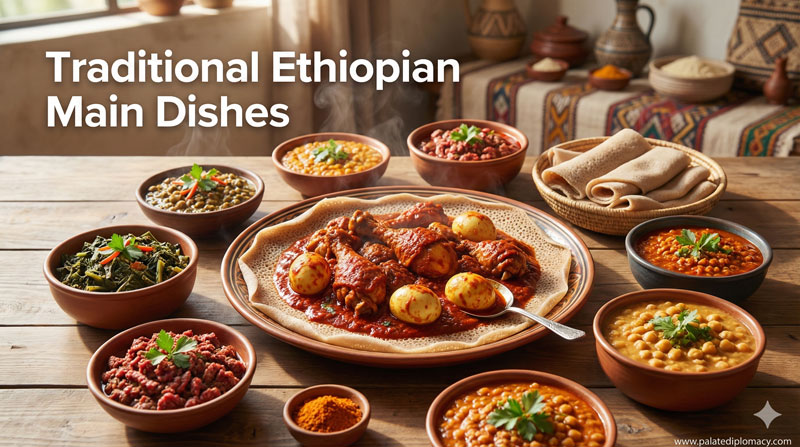
Ethiopian meals are often built around injera, the spongy teff flatbread that acts as a natural plate and eating utensil. Gomen Besiga is commonly served on or with injera, inviting diners to tear a piece of bread to scoop greens and meat together. This shared approach to eating emphasizes togetherness and generosity. It also demonstrates how a dish can become a social ritual, not just a recipe. The act of passing the platter, tearing injera, and taking a communal bite creates a sense of belonging at the table. In this way, Gomen Besiga becomes more than food; it becomes a practice of hospitality and warmth.
Regional Variations and Seasonal Twists
Variations exist across regions and households, each adding a personal touch while staying true to the essential balance of greens and beef. Some cooks may emphasize greens by simmering longer, producing a lighter, more velvety sauce. Others might introduce subtle citrus notes with a squeeze of lemon or lime, brightening the dish just before serving. The greens themselves can vary: collard greens are common, but mustard greens or kale are sometimes used in different locales. Seasonality also matters—fresh greens season the dish with vitality, while dried herbs or preserved spices can introduce a comforting, nostalgic aroma. These variations show how a single dish can travel through a culture, picking up local textures and scents while maintaining its core identity.
Aromas, Colors, and the Craft of Serving
The sensory profile of Gomen Besiga is inviting. The deep green of the greens contrasts with the warm brown of meat, while the golden sheen of niter kibbeh catches the eye. The perfume of onions, garlic, and ginger mingles with the peppery warmth of berbere, creating an aroma that feels both comforting and uplifting. Serving is often practical and social: a generous helping on injera, with the bread used to scoop and wrap bites. The colors, textures, and scents come together to create a plate that feels lively and satisfying. This is not merely nourishment; it is an experience that celebrates the beauty of cooking as a communal art.
Celebration, Comfort, and Everyday Life
Gomen Besiga fits both everyday meals and special occasions. It offers comfort through familiar flavors that many households know well. At the table, it invites conversation and shared focus on the plate before the group. The dish also reflects a culinary culture that values balance: greens to celebrate freshness, meat to provide richness, and spices to awaken the senses. The result is a dish that feels generous and thoughtful, a daily reminder of how food can carry care from the stove to the table. In this sense, Gomen Besiga stands as a testament to the beauty of Ethiopian home cooking and its ability to nourish body and community alike.
Conclusion: A Dish That Mirrors Ethiopian Food Culture
Gomen Besiga embodies the spirit of Ethiopian food culture through balance, technique, and hospitality. Its greens, beef, and spice work together to create a dish that is both nourishing and inviting. By pairing with injera, it reinforces the central role of shared meals and communal dining. The dish invites cooks to layer flavors with patience, to honor ingredients, and to welcome others to the table. In its warmth, aroma, and harmonious taste, Gomen Besiga reflects a cuisine that celebrates everyday life as a rich, collective experience.