
Everything You Need to Know About Minchet Abish
Minchet Abish is a beloved Ethiopian dish centered on finely minced beef or lamb. The meat glows with the aroma of onions, garlic, and berbere spice. It is enriched by niter kibbeh, a spiced clarified butter that adds warm depth. The result is a dish that feels bright, comforting, and celebratory in every bite. This post highlights its cultural value and culinary significance, inviting readers to savor more than flavor.
Cultural Roots and Regional Flair
Minchet Abish travels through kitchens with a quiet grace. In many Ethiopian homes, cooks tailor the spice balance to family tastes, creating gentle regional variations. Berbere serves as a guiding warmth, while onions and garlic build a sweet, savory foundation. The dish sits at the heart of gatherings, from Sunday family meals to festive celebrations. Its presence signals welcome, care, and shared moments around the table. Across households, Minchet Abish embodies hospitality, patience, and pride in everyday cooking. The preparation itself can become a small ritual that brings people together, teaching younger cooks the rhythm of a well-seasoned kitchen.
The Craft of Making Minchet Abish
The craft begins with finely minced meat, chosen for tenderness and quick cooking. Onions are chopped and sautéed until they glow with caramel color. Garlic (and sometimes ginger) joins the pan, releasing fragrance. The minced meat goes in next, browning evenly to develop a rich, nutty scent. Berbere and salt blend in, coating every piece with warmth. A brief rest lets the flavors meld. A splash of water or stock can loosen the mix and keep the meat juicy. The result is a texture that is soft yet slightly lively, with a bright, savory finish. The technique rewards attention to heat and balance, yielding a dish that feels both grounded and uplifting.
Serving and the Injera Connection
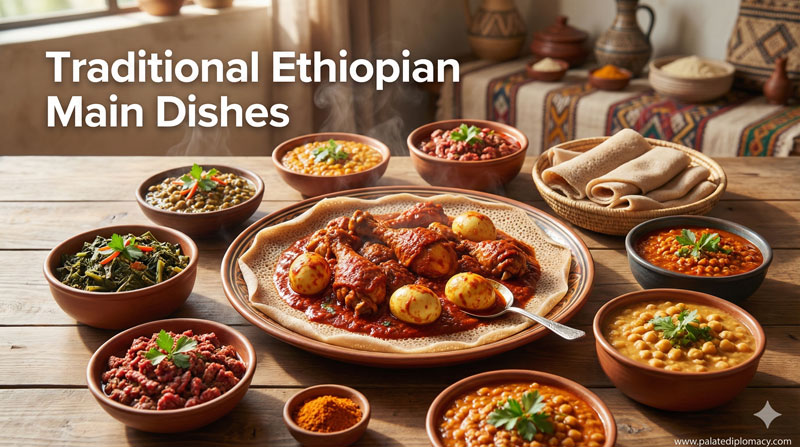
Minchet Abish shines when shared over injera, the soft, spongy Ethiopian flatbread. Diners often place portions on injured pieces of injera, then fold or tear to scoop up the meat. This creates a tactile, communal experience that is central to Ethiopian hospitality. The dish pairs well with mild accompaniments like ayib (a soft cheese) or greens such as gomen. The visual and aroma—reddish-brown meat glistening in butter—invites friends and family to gather close. Serving it at the center of the table emphasizes dialogue, tasting, and the joy of communal eating.
Hospitality and Everyday Joy
Hospitality is the heartbeat of Minchet Abish. The dish expresses care and generosity, inviting guests to share in a simple, satisfying meal. It is a teaching dish as well—families pass down tips about balance, timing, and texture, helping younger cooks gain confidence. The aroma itself can spark conversations about memories, seasonal ingredients, and favorite family tweaks. In this way, the dish becomes more than food; it is a bridge between generations, a testament to how food can carry tradition with warmth and welcome.
Keeping the Tradition Alive
To honor Minchet Abish, value fresh ingredients and clear technique. Respect the butter’s aroma by not rushing the browning stage. Let the meat soak in flavor just enough to stay juicy. While the recipe offers a strong frame, it also invites gentle variation—different meats, mild or bold spice levels, or substitutions that suit dietary needs. Yet the essence remains: a dish that celebrates bite-sized meat, sweet onions, and the comforting glow of spice. Each serving reaffirms the beauty of Ethiopian culinary craft and its place in daily life, meal by meal, plate by plate.