
What Makes Tibs So Special in Ethiopia
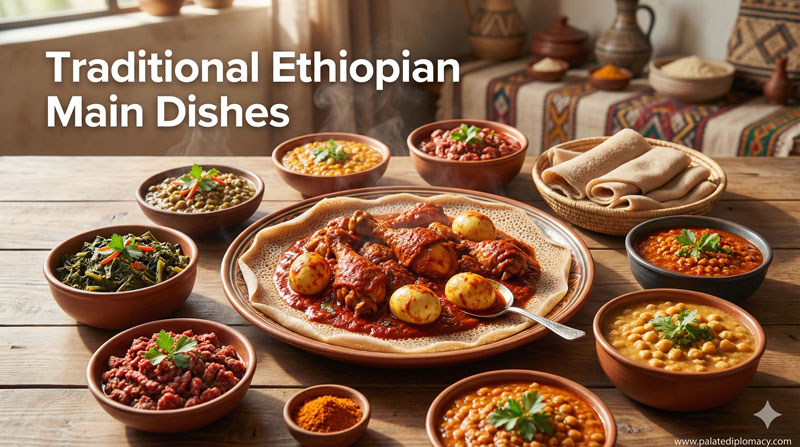
Tibs is more than a dish in Ethiopia. It is a living thread in everyday life, a warm welcome, and a celebrated bite at the table. The name itself hints at action—tibs means sautéed or fried meat in Amharic—yet the experience goes beyond technique. When tibs graces the skillet, the kitchen fills with a bright, inviting aroma that signals care and hospitality. The dish invites sharing, which is a core value in Ethiopian meals. People gather, conversations begin, and the family or guests become part of the meal simply by being present. Tibs pairs beautifully with injera, the soft, spongy bread that soaks up the juices while carrying a gentle tang. Together, tibs and injera showcase a rhythm of daily life, warmth, and community that many households treasure.
Hospitality on a Plate
Hospitality shines through tibs in every bite. First, cooks select good meat, chop onions, garlic, and peppers, and heat the pan with care. Next, they sear the meat to a light brown, letting the surface create a fragrant crust. Then they add aromatics, a splash of tomatoes or tomato paste, and a blend of spices. The result is a glossy, savory sauce that coats each piece evenly. This sequence is not merely about flavor; it signals respect for guests and the act of sharing. In Ethiopian homes, tibs arrives at the table alongside injera, inviting everyone to gather around the dish and to serve one another. The social moment—passing the platter, lifting bites with injera, nodding in appreciation—renders tibs a ritual of warmth and connection.
Core Ingredients and the Flavor Foundation
At its heart, tibs blends simple ingredients into a memorable profile. Beef or lamb leads the plate, cut into bite-sized pieces for quick, even cooking. Onions provide sweetness and depth, while garlic and ginger add bright, spicy notes. Peppers—often green or jalapeño—contribute a clean heat, and tomatoes lend a gentle tenderness to the sauce. Spices such as berbere bring warmth, aroma, and a touch of heat, while niter kibbeh—a spiced clarified butter—adds richness and a mellow, nutty finish. Salt and pepper refine the flavors, and a final splash of fresh herbs can brighten the dish. The result is a dish that feels lively, comforting, and deeply grounded in Ethiopian spice culture. Importantly, tibs adapts to taste and occasion, from a quick weeknight skillet to a celebratory platter shared with friends and neighbors.
The Craft of Cooking Tibs: Technique and Tools
The technique behind tibs celebrates clarity and control. Start with a hot pan to sear the meat quickly, locking in juices and building color. Then reduce the heat just enough to coax tenderness without overcooking. Add onions first to soften and release sweetness, followed by garlic, ginger, and peppers to release their brightness. Tomatoes join in to create a lush, saucy base, and berbere or mitmita spices can be added gradually to reach the desired level of warmth. Stirring matters: quick, even motions keep the ingredients from sticking and help the sauce emulsify with the fat. Finish with a touch of niter kibbeh for aroma and depth. This careful sequence—hot sear, layered aromatics, spices, and gentle simmer—defines tibs as a dish that honors both technique and the palate. The result is vibrant, well-balanced, and inviting.
Regional Voices and Diverse Expressions
Across Ethiopia, cooks tailor tibs to reflect regional flavors and Family Traditions. In some households, lamb offers a delicate sweetness and tenderness, while in others, beef gives a robust bite. Spice levels vary, with berbere bringing heat in some kitchens and a milder profile in others. The pace of cooking changes with the cook’s skill and the occasion: quick weeknight tibs for a simple supper, or deeper, slower-tinished versions for larger gatherings. Fresh herbs, a dash of lemon juice, or a hint of fenugreek may appear in certain homes, adding unique notes. These variations are a testament to the dish’s versatility and its ability to carry many identities within Ethiopian culinary life. Yet through all differences, tibs remains a shared language of flavor, sociability, and everyday celebration.
The Pairing That Completes the Experience: Injera
Injera is more than a side dish; it is a cultural partner to tibs. The sour, spongy bread soaks up the juices, balancing the warmth of the spices with a tangy counterpoint. In practice, diners tear a piece of injera and use it to scoop up meat and sauce. The practice of tearing, scooping, and sharing reinforces communal eating and togetherness. This pairing helps tibs shine as both a simple meal and a social event. The synergy between tibs and injera mirrors the Ethiopian approach to food: food is best enjoyed as a collective experience, where everyone participates in serving, sharing, and savoring.
Tibs as a Reflection of Ethiopian Food Culture
Tibs encapsulates core Ethiopian values in a single dish. It celebrates hospitality, communal eating, and the joy of cooking with readily available ingredients. It demonstrates how a straightforward skillet meal can become a centerpiece for conversation, warmth, and memory. Tibs also reveals a culture of balance—between heat and aroma, between seared crust and tender interior, between the savor of meat and the brightness of fresh herbs. In short, tibs is a doorway into a broader food culture that values generosity, seasonality, and shared meals as daily rituals worth preserving and cherishing.
Experiencing Tibs at Home: Practical Tips
For those eager to experience tibs at Home, keep these pointers in mind. First, choose good meat and cut it into uniform pieces for even cooking. Next, heat the pan well to create a crisp sear. Then, layer aromatics and spices to build aroma before the sauce forms. Finally, balance heat with a touch of lemon or fresh herbs to brighten the dish. Serve tibs hot, with injera on the side, and invite family or friends to join in the meal. The goal is not only to feed the body but to nourish conversation and shared delight around the table.
A Closing Note: The Beauty of Tibs
Tibs stands out because it marries flavor with community. It invites cooks to move with intention, to honor ingredients, and to celebrate togetherness. In every bite, tibs communicates respect for the cooks, the guests, and the shared table. The dish remains a proud thread in Ethiopian culinary life, cherished for its simplicity, warmth, and enduring appeal. If you seek a meal that honors tradition while inviting playful adaptation, tibs offers a memorable, welcoming experience that resonates with anyone who loves good food shared in good company.