
Introduction
Dulet is more than a dish in Ethiopia; it is a clear expression of welcome and togetherness. Families share it during meals, markets feel its aroma wafting through the streets, and friends gather to savor its bright flavors. This post invites you to explore the Top Reasons Ethiopians love dulet, focusing on cultural value and culinary importance. You will see how texture, aroma, and shared practice weave a warm thread through everyday life and special occasions alike.
The Craft Behind Dulet
Crafting dulet blends skill with care. Finely chopped meat and offal mingle with onions, peppers, and a kiss of spice. The mix is sautéed briefly in clarified butter to awaken aroma and color. The result is a fragrant, ruby-hued filling that holds together yet remains lively on the tongue. Each bite speaks to practiced hands and familiar rhythms in the kitchen.
Savoring Texture and Aroma
Dulet delivers a lively texture. There are tender, bite-sized bits contrasted with crisp edges, all balanced by the smoothness of the spices. The aroma rises with notes of onion, garlic, and a gentle kick from chili or mitmita. This blend invites you to slow down, breathe in, and begin a conversation with the plate. A good dulet feels bright, clean, and comforting all at once.
A Meal That Builds Community
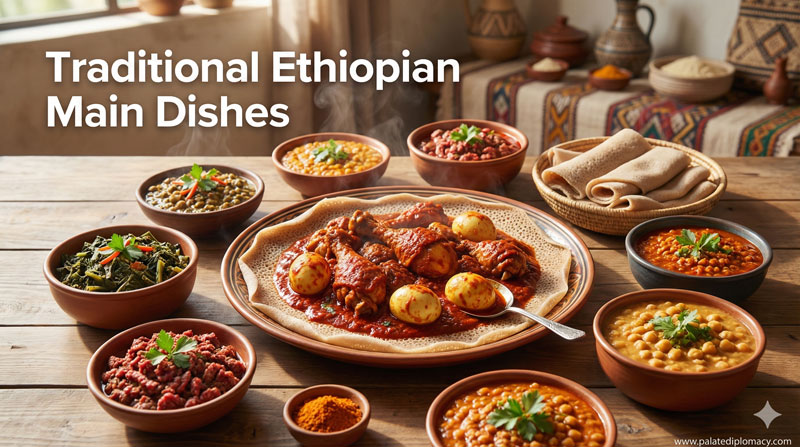
Sharing dulet invites connection. Families prepare it for gatherings, big and small, and everyone joins in around a single platter. Guests dip injera into the mixture, then pass the plate with care. The practice reinforces generosity, conversation, and mutual enjoyment. In this way, dulet becomes a thread that ties generations and neighbors together at the table.
Rituals of Serving and Etiquette
Serving dulet follows graceful rhythms. In many homes, elders are served first, then others in order of age or need. The meal often begins with cleansing and a moment of thanks for the food and the company. Guests savor dulet slowly, lending the platter time to circulate so everyone can share in the experience. The emphasis on mindful eating reflects a culture that values balance, respect, and hospitality.
Regional Voices in Dulet
Across regions, dulet carries distinct notes. Some kitchens favor a stronger spice, while others highlight the sweetness of onions and the warmth of clarified butter. Variations in meat cuts and spice blends reflect local tastes and seasons. Yet the core remains: a finely chopped mix welcomed at many tables and adaptable to different Family Traditions.
Dulet at Celebrations and Everyday Meals
On ordinary days, dulet brightens a simple lunch and sparks conversation. On festive occasions, it stands among a chorus of dishes, all sharing a moment of communal enjoyment. Its versatility makes it a comforting presence, whether plated with injera or served alongside fresh salad and flatbread. This balance of everyday and celebratory use underscores its enduring value.
Preserving a Rich Tradition
Young cooks learn from seasoned elders, passing down techniques and memories. The careful chopping, the timing, and the tempering of flavors become a living tradition. Modern kitchens keep the essence of dulet while welcoming lighter methods or new spice twists. In this way, the dish stays relevant and beloved for generations to come.
How to Enjoy Dulet at Home
To savor dulet at Home, invite friends or family to share a table. Pair it with injera, fresh vegetables, and a light salad to balance richness. Take a bite, notice the blend of meat, spice, and butter, and then enjoy the warmth of the moment. The joy comes not just from the taste but from the company and the access it gives to a storied culinary practice.
Dulet offers a doorway into Ethiopian food culture. Its bright flavors, careful craft, and social spirit invite everyone to appreciate how food creates welcome, memory, and belonging.