
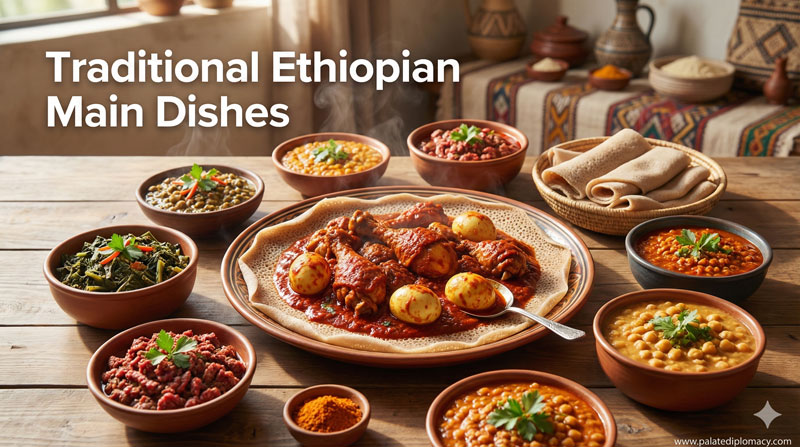
Discovering Minchet Abish
Minchet Abish is a beloved dish that invites the senses to explore Ethiopian culinary artistry. It blends finely minced meat with the warm, fragrant butter that is central to many Ethiopian preparations. The result is a dish that feels both everyday and special, a reminder of shared meals and careful cooking. The appeal lies in balance: tender meat, caramelized onions, and a harmony of spices that lingers pleasantly after the last bite.
What It Is and How It Feels
At its heart, Minchet Abish pairs small, delicate pieces of meat with a rich, spiced clarified butter. Aromatics such as onions, garlic, and ginger provide sweetness and depth. A thoughtful blend of spices—often a gentle kiss of berbere or related chili blends—adds warmth without overwhelming the palate. The dish is brightened by fresh herbs and a touch of tang from citrus or pepper, depending on family preference. The overall effect is a comforting, festive experience that feels both rustic and refined.
Flavor Profile and Texture
Minchet Abish offers a layered flavor story. The meat provides a satisfying bite, while the butter delivers a creamy, luxurious backdrop. Onions caramelize to a soft sweetness that contrasts with the spicy notes from the seasoning. The result is a savory, uplifting profile with a gentle heat that invites you to savor the aroma before the first mouthful. Texturally, the dish strikes a pleasing balance: tender minced meat with the smooth edge of the butter and the slight chew of perfectly cooked onions.
A Method That Honors Tradition
The cooking method mirrors the dish’s cultural care. Start with a warm, spiced butter base, letting it perfume the kitchen. Add the minced meat and onions, allowing gentle browning and blending of flavors. Keep the heat steady to avoid scorching, and stir with deliberate rhythm. The goal is to marry the meat’s natural savor with the butter’s aromatic depth, letting each spoonful carry The Story of patient preparation and attention to detail.
Cultural Significance in Ethiopian Cuisine
Minchet Abish shines as a reflection of Ethiopian food culture. It is a dish that travels between everyday meals and special gatherings, testing and showcasing a cook’s skill. It embodies hospitality: a host serves it to welcome guests, inviting conversation and shared enjoyment. The dish also acts as a bridge between generations, as family members pass down techniques for seasoning, timing, and balance. In this way, Minchet Abish is more than sustenance; it is a small ceremony of nourishment that honors craft, memory, and community.
Serving, Pairings, and Shared Moments
Traditionally, Minchet Abish is enjoyed with injera, the soft, spongy bread that soaks up every bit of sauce and butter. The combination creates a tactile, hands-on dining experience that emphasizes togetherness. Accompaniments like fresh tomatoes, mild greens, or a quick salad complement the richness, while a simple yogurt or mild cheese can provide a cooling contrast. The act of sharing the dish—a common social ritual—enhances its cultural value, turning a meal into a moment of connection.
Tips for Home Cooks
- Choose finely minced meat for the most even texture.
- Use a good clarified butter or niter kibbeh to build depth of flavor.
- Balance spices with a touch of sweetness from caramelized onions.
- Keep the heat moderate and stir regularly to prevent sticking.
- Finish with a squeeze of citrus or fresh herbs to brighten the dish.
A Note on Regional Twists and Seasonal Touches
Regional preferences add subtle variety to Minchet Abish. Some kitchens favor a stronger spice note, while others lean toward a milder, more butter-forward profile. Seasonality can influence the brightness of aromatics or the choice of herbs. Regardless of the slight variation, the dish remains a testament to care, flavor, and cultural expression that resonates across families and seasons.
In embracing Minchet Abish, readers glimpse a dish that is as much about taste as it is about shared moments and regional pride. Its rich butter, precise mincing, and thoughtful spices come together to celebrate food as a meaningful part of daily life and festive occasions alike. This is a cuisine that invites curiosity, respect, and a warm invitation to the table.