
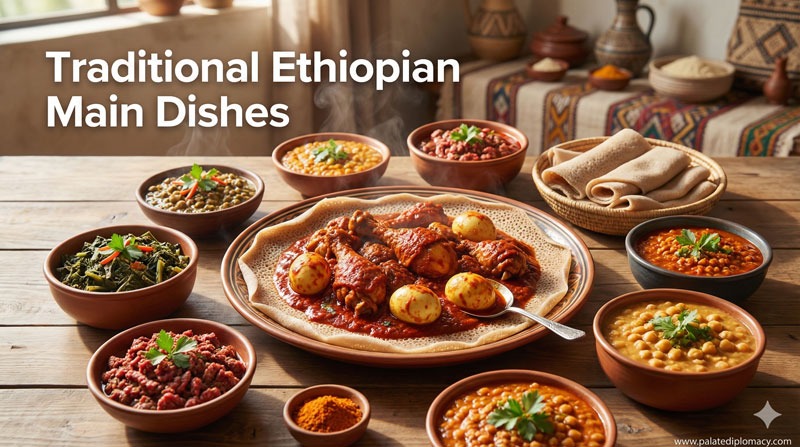
Zilzil Tibs is more than a dish. It is a living flavor of Ethiopian hospitality, a quick-fire celebration of meat, spice, and togetherness. Through its sizzling aroma and bright colors, it invites you into a cooking method that respects fresh ingredients and shared meals. In this post, we explore how Zilzil Tibs reflects Ethiopian food culture and why it matters in everyday cooking and special gatherings alike.
What is Zilzil Tibs?
Zilzil Tibs is a sizzling meat dish, usually beef or lamb, cut into bite-sized pieces and fried with onions, peppers, and spices. The name zilzil signals the lively sizzle that fills the kitchen and table as it cooks. The dish is often finished with a pat of butter or ghee, which enriches the aroma and creates a glossy, inviting finish. Served on a hot platter, it arrives bubbling and fragrant, ready to be scooped up with injera or warm flatbread. Its fast, high-heat cooking highlights fresh ingredients and quick browning, a hallmark of Ethiopian home cooking and restaurant kitchens alike.
Sizzle, Technique, and Flavor
The heat is the hero in Zilzil Tibs. High heat sears the meat quickly, sealing in juices while letting the onions caramelize and the peppers stay crisp. This balance of textures mirrors a broader Ethiopian approach: layers of flavor built with simple, honest steps. The dish often features berbere, a warm spice mix, and niter kibbeh, a clarified butter with fragrant notes. Garlic and sometimes green chili add brightness. The result is a dish that moves from the stove to the table with a lively aroma, inviting conversation and appetite. The technique emphasizes care, timing, and the beauty of browned edges, which many cooks consider essential to depth of flavor.
Core Ingredients and Their Meaning
At the heart of Zilzil Tibs are a few core ingredients that tell a broader story about Ethiopian cooking. Meat provides richness and protein, while onions bring sweetness and depth. Berbere links the dish to regional spice traditions, weaving warmth into every bite. Niter kibbeh adds a smooth, silky fat that carries flavors and creates a comforting mouthfeel. Injera, the spongy flatbread, often accompanies the dish as both plate and utensil—freshly torn pieces of bread scoop up the sizzling morsels and sauce. This pairing of bread, meat, and spice reflects a culture that values balance, resourcefulness, and shared sustenance.
Social Eating and Cultural Rhythm
Eating Zilzil Tibs is a social event as much as a culinary experience. The sizzling sound creates a sense of ritual, signaling that a meal is beginning or being celebrated. Family members or guests gather around the hot platter, using injera to portion the meat and sauce. This communal approach emphasizes generosity, listening, and togetherness. The dish often appears at weekend meals, family gatherings, or eateries where hospitality shines. In these moments, food becomes a bridge between generations, a way to pass down techniques, memories, and shared tastes.
Pairings, Etiquette, and Table Presence
Zilzil Tibs pairs beautifully with the tang of injera and the brightness of fresh salads or gently sautéed greens. A simple mustard or tomato-based relish can complement the spices without overpowering them. Etiquette centers on hospitality and sharing: guests are welcome to help themselves, and the cook’s preparations are appreciated with words of thanks or compliments. The presentation on a hot, bubbling plate adds theater to the meal, inviting everyone to savor the aroma and approach the dish with care. The table becomes a warm stage where conversation flows as freely as the flavors on the platter.
Why Zilzil Tibs Matters in Ethiopian Food Culture
Zilzil Tibs embodies a spirit common to Ethiopian cooking: celebrate fresh ingredients, honor technique, and nurture social bonds through food. It showcases how a single dish can be dynamic—between home kitchen and restaurant, between simple supper and festive meal. The sizzling sound, the layered spices, and the shared serving style all reveal a culture that values hospitality, communal eating, and a balanced palate. By focusing on quick browning, bright aromatics, and accessible ingredients, Zilzil Tibs offers a clear window into everyday Ethiopian life and its culinary artistry.
Conclusion
In Zilzil Tibs, flavor and culture meet at the table. The dish invites you to savor warmth, skill, and the joy of sharing a meal with others. It stands as a flavorful testament to Ethiopian culinary values: freshness, balance, and heart—an inviting invitation to explore and enjoy the beauty of Ethiopian food culture.