
Introduction
Why Travelers Are Falling in Love with Doro Wat invites readers to taste more than a meal. It offers a warm welcome into a dining ritual that centers around generosity, skill, and a shared table. This dish, famed for its depth of flavor, acts as a cultural ambassador in many kitchens. It signals a love for careful technique and the joy of inviting others to enjoy a single, communal plate. The experience is practical, sensory, and deeply human.
What is Doro Wat?
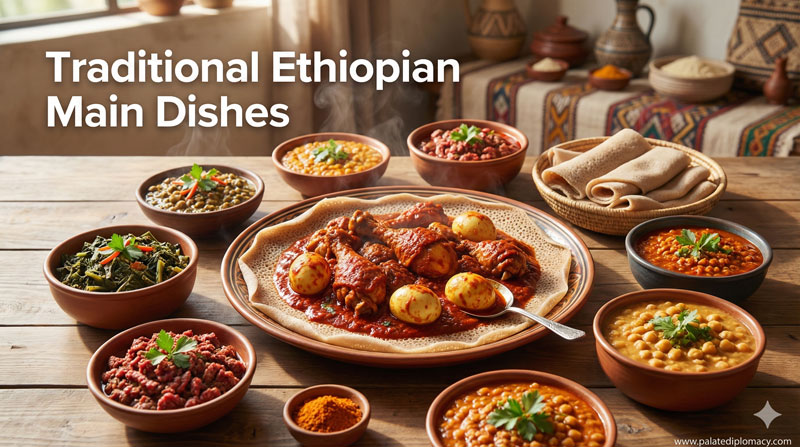
Doro Wat is a rich Ethiopian chicken stew. It features tender chicken simmered in a thick, spicy onion-and-spice sauce. The base blends many layers: caramelized onions, garlic, ginger, and a generous hand of berbere spice. The sauce often contains niter kibbeh, a spiced clarified butter that carries aromatics of cardamom, cinnamon, and cloves. Hard-boiled eggs are traditionally added, anchoring the dish with their mellow richness. The trio of injera, the sour-edged flatbread, serves as both plate and utensil, turning the meal into a tactile and aromatic experience. This combination—spice, fat, meat, and bread—creates a balance that travelers readily recognize as both comforting and intriguing.
The Flavor Profile and Texture
Doro Wat delivers a warm, deep flavor that lingers on the palate. The berbere blend brings heat with a fragrant, complex kick, while the onions give a natural sweetness that softens the spice. Niter kibbeh adds a buttery, velvety undercurrent that enriches every spoonful. The chicken becomes tender from slow simmering, soaking up the sauce’s bold character. Eggs provide a creamy texture and a subtle contrast to the sauce’s heat. When eaten with injera, the tangy grain and spongy texture of the bread absorb the sauce perfectly, creating bursts of flavor in every bite. The overall effect is both comforting and memorable, inviting a second and third helping as a shared ritual rather than a single course.
The Craft of Preparation
The making of Doro Wat is a study in patience and layering. Cooks start with onions, cooking them slowly until they melt into a smooth, amber-soaked base. This onion foundation unlocks the dish’s sweetness and aroma, acting as a gateway to the spice that follows. Garlic and ginger join in, adding bite and brightness. Berbere—an essential spice blend—arrives next, waking the pan with its heat and smokiness. Then comes niter kibbeh, which infuses richness and rounds the edges of heat with its herbal notes. Chicken joins the pot, and the mixture simmers until the meat absorbs the sauce’s depth. Finally, the hard-boiled eggs are nestled into the stew, absorbing its flavors and adding a creamy counterpoint. The moment of serving—when injera unfurls Like a edible plate—completes the craft, turning technique into tradition.
The Social and Cultural Context
Doro Wat sits at the heart of Ethiopian hospitality. It is commonly prepared for gatherings, celebrations, and special meals where friends and family come together. Sharing a plate of Doro Wat reinforces a sense of warmth and community. The injera placed on the table is both tool and texture, a way to scoop up sauce and meat while guiding conversation and connection. The dish embodies a spirit of welcome; guests are invited to partake generously, and the act of serving becomes a ritual of care. In this cultural frame, cooking is a form of conversation—an invitation to slow down, savor aroma, and appreciate the craft behind each ingredient.
Regional Variations and Interpretations
Across regions and homes, Doro Wat holds room for personal interpretation. Some cooks emphasize an extra layer of onion sweetness, while others lean into a spicier profile with bolder berbere. Some households finish the sauce with a touch of citrus to brighten the finish, while others preserve a deeper, toothsome onion backbone. Even the texture can vary—from a sauce that clings almost velvety to one that prefers a brisk simmer with more bite. These variations reflect local pantry staples, family memories, and personal taste. Yet they all share a common reverence for the same core elements: chicken, spice, richness, and the sense of gathering that lifts a meal from nourishment to memory.
Pairings and Serving Etiquette
Serving Doro Wat elegantly reinforces its cultural value. Injera acts as a natural utensil and a soft, sour counterpoint to the stew’s heat. Guests tear a portion of injera, scoop up a portion of the sauce, and fold it into a bite that blends textures and flavors. Drinks often accompany the meal, with options like strong coffee or a sweet, lightly fermented beverage providing a natural arc from meal to conversation. The rhythm of serving—platter to plate, shared to personal—creates a dining experience that feels both intimate and universal. The focus remains on savoring, listening, and appreciating the skill that goes into building such a layered, balanced dish.
Travelers and the Experience
Travelers are drawn to Doro Wat for its robust flavor and the sense of place it conveys. The dish signals a culinary tradition with a living, breathing kitchen. It offers a story told through aroma, color, and texture as much as through words. For many visitors, the meal becomes a gateway to understanding How Families and friends connect over food. The sensory journey—hot steam, sweet onion, and the scent of warm butter—becomes a memorable moment that travels back in memory long after the last bite.
A Bridge to Culinary Heritage
Doro Wat stands as a clear example of culinary heritage in motion. It respects time-honored methods while inviting new cooks to explore and adapt. The dish demonstrates how heat, spice, and patience can transform simple ingredients into something extraordinary. For travelers, this is not just a recipe; it is an education in texture, aroma, and the joy of shared meals. It teaches appreciation for the skill of slow cooking and the beauty of a dish that reveals its depth only with time.
Practical Tips for Appreciating It
To maximize enjoyment, approach Doro Wat with intention. Notice the color of the sauce as onions caramelize and spices bloom. Observe how the butter enriches the sauce and how the eggs contribute creaminess. Eat with injera to feel the interplay of sour and spicy in every bite. Take a moment to inhale the aroma before tasting; the scent often carries hints of cinnamon, cloves, and warm butter. Finally, reflect on the hospitality and craft that brought this dish to the table—the human touch behind the flavor.
Conclusion
Doro Wat is more than a dish; it is a doorway into a culture that values care, craft, and communal joy. Its warmth comes from carefully built layers of onion, spice, and butter, all brought together on a shared flatbread. For travelers and locals alike, the dish offers a memorable embrace of flavor and tradition. As a culinary symbol, it invites curiosity, respect, and appreciation for the art that makes Ethiopian cooking so inviting and enduring. In every spoonful, you taste not only ingredients but a story of hospitality and celebration that welcomes you to the table.