
Why Tibs Is One of Ethiopia’s Most Loved Dishes
Tibs holds a warm, well-lit place in Ethiopian kitchens. It shines with bright aroma, lively texture, and a sense of welcome. This dish invites conversation and celebration at the table. In this post, you will discover Tibs’s cultural value and its culinary significance. You will see how it honors ingredients, technique, and togetherness.
The Core Ingredients and Techniques
Tibs centers on simple, trusted elements. The most common base is tender meat—beef, lamb, or goat—that is cut into bite-sized pieces. Onions headline the mix, releasing sweetness as they soften. Peppers add color and a crisp bite, while garlic and ginger lift the dish with warmth. A kiss of spice comes from berbere, mingling with a touch of mitmita for brightness or heat. Niter kibbeh, a fragrant Ethiopian clarified butter, carries the flavors with a silky finish. Parsley or cilantro finishes the dish with a fresh note.
The technique honors balance. The meat sizzles just enough to seal in juices, then the aromatics wake the pan. The result is a glossy, richly colored sauce that clings to each piece. The sauce stays lively rather than heavy, so the meat remains the star while vegetables sing with texture. Serve Tibs with injera, and the entire plate becomes a shared canvas of flavor.
The Cooking Story: From Pan to Table
In many homes, the process starts with a warm, fragrant melt of butter in a wide pan. Next, onions hit the heat. They soften slowly, releasing sweetness that forms the dish’s base. Then the meat joins the party, searing to develop color and depth. Garlic and ginger wake the mix, followed by spices. A quick splash of stock or water keeps the pan saucy but bright. Finally, the peppers join in, adding color and crispness. The dish finishes with a sprinkle of fresh herbs. The aroma travels through the house, inviting everyone to gather. The act of serving is as important as the dish itself.
A Social Dish: Sharing at the Table
Tibs is more than food; it is hospitality in motion. In Ethiopian culture, sharing the meal is a central expression of care. Guests are welcomed with warmth, and the act of offering food reinforces friendship. Gursha, the gentle gesture of feeding a bite to a loved one or guest, is a beloved custom. Tibs provides the perfect setting for this moment: hot, flavorful, and easy to share. The table becomes a circle of conversation, stories, and smiles. In this way Tibs binds people together and makes everyday meals feel ceremonial in the best sense.
Regional Flair and Personal Touches
Across regions and homes, Tibs wears A Unique flavor. The meat choice can vary—beef, lamb, or goat—each bringing its own texture and character. Spice levels move with taste, from mild to boldly aromatic. Some cooks drizzle a touch more niter kibbeh for a silky, buttery finish; others favor a leaner, brighter profile. The vegetables also vary: a handful of chilies for heat, a handful of fresh herbs for brightness, or even tomatoes for a gentle acidity. Adaptations reflect local markets, family preferences, and the season. Yet the core idea remains the same: a lively sauté that honors color, aroma, and texture.
Pairings and Presentation
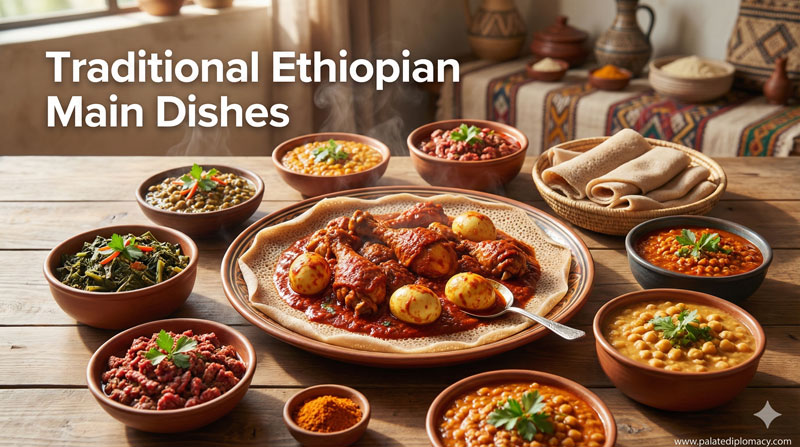
Injera plays a starring role in Tibs presentation. The flat, sour bread acts as both plate and utensil, soaking up the sauce while offering its own tangy balance. A simple sprinkle of fresh herbs and a squeeze of lemon can brighten the dish just before serving. Some households add a light dusting of berbere or a small cup of spicy mitmita on the side for diners who crave a hotter finish. The plating emphasizes sharing: pieces served to guests, a communal bowl, and the gentle ritual of passing the dish around the table. This presentation reinforces Tibs as a centerpiece of warmth and conversation.
Tibs in Everyday Life and Celebrations
Tibs fits naturally into everyday meals and also shines on special occasions. On ordinary days, it offers quick practicality without sacrificing depth of flavor. For celebrations, cooks may elevate the dish with extra meats, a richer sauce, or a lavish injera spread. The flexibility of Tibs makes it accessible to families with varied schedules and cooks with different skills. Regardless of the setting, Tibs maintains its invitation: a skillet story that welcomes all to the table. The dish thus becomes a steady thread in the tapestry of Ethiopian food culture.
Crafting Tibs: A Mindful Approach
While Tibs can be prepared quickly, many cooks approach it with care and mindfulness. Choose fresh meat and vibrant onions for the best flavor. Let the onions caramelize gradually to form sweetness that balances the spice. Respect the spice blend; berbere is potent, so a light hand honors both heat and aroma. Finish with a bright herb just before serving to preserve freshness. Above all, treat Tibs as a conversation starter on the plate—an invitation to slow down, share bites, and savor each moment.
A Gentle Note on Freshness and Respect for Ingredients
The beauty of Tibs rests in freshness and balance. When ingredients shine, the dish sings. Support local markets, choose meat cut to your preference, and let the pan do the work. The result is a dish that feels honest and inviting. Respect for the ingredients translates into a respectful dining experience, where flavors meet kindness and care.
Conclusion: Tibs as a Living Tradition
Tibs embodies the heart of Ethiopian cooking: bold flavors, careful technique, and generous hospitality. It celebrates color, aroma, and texture in equal measure. It invites sharing, conversation, and warmth at the table. Whether enjoyed after a long day or during a festive gathering, Tibs remains a beloved staple that honors tradition while welcoming personal touch. In every bite, you taste a culture that thrives on community, craft, and the joy of good food together.