
The Story Behind Gomen Besiga, a Favorite Ethiopian Food
Gomen Besiga is a cherished Ethiopian dish that invites the senses to a warm, shared table. The name itself speaks to its simple beauty: gomen refers to greens, while besiga means meat. When these two elements come together, the dish becomes a harmony of texture, aroma, and color. It stands as a testament to how vegetables and beef can play off one another to create a comforting, nourishing meal. In every bite, you sense care, time, and a generous spirit of hospitality.
The Ingredients: A Palette of Flavors
The dish centers on greens, typically collard greens, prepared to soften yet keep their character. Beef chunks add depth and richness, providing a satisfying counterpoint to the greens. Aromatics color the pot: onions, garlic, and ginger weave through the dish, bringing warmth and brightness. Spices arrive in a careful balance—sometimes berbere or mitmita for a gentle heat, sometimes a touch of paprika or coriander to brighten the mix. Fat plays a role too, traditionally in the form of niter kibbeh or a plain oil that carries the spices and helps the greens shine. The result is a vibrant, layered hue with a fragrance that signals a welcoming meal.
The Cooking Tradition: How the Dish Comes Together
First, cooks brown the beef to develop depth. Next, onions release sweetness as they soften, followed by garlic and ginger for complexity. Then greens are added, slowly wilting to release their character while soaking up the savory notes. Spices join the simmer, creating a gentle spice blanket over the meat and greens. Finally, the dish rests briefly, allowing the flavors to settle. The method emphasizes patience and balance, so each element holds its own yet shares the stage with the others. The result is a dish that tastes both bright and substantial, suitable for everyday meals and special occasions alike.
Serving and Etiquette: Shared Meals with Injera
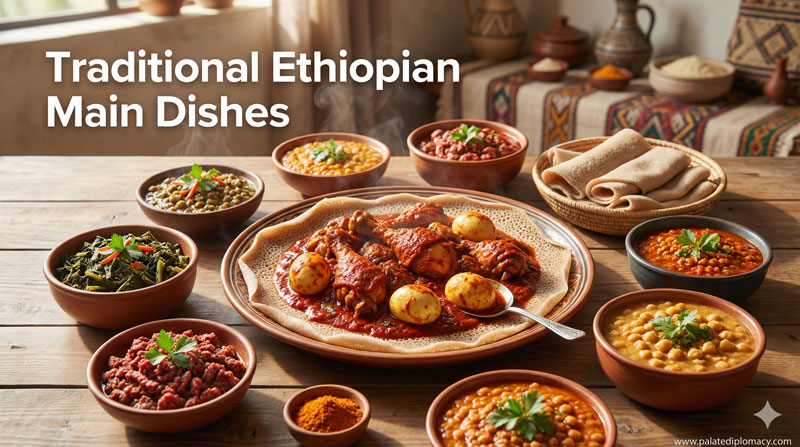
Gomen Besiga shines when served with injera, the soft, sour flatbread that Ethiopian Cuisine uses as a plate and utensil. Diners tear a piece of injera and scoop up greens and beef in each bite. The communal nature of the meal invites conversation and connection, as everyone samples from the same shared platter. The greens offer a fresh, earthy bite, while the beef provides a savory backbone. Together, the flavors rise and fall with each morsel, inviting gentle conversation and lingering smiles.
Cultural Significance: Hospitality and Home Cooking
This dish embodies hospitality in Ethiopian culture. It values balance—greens and meat, light and rich, simplicity and care. Families often prepare it for regular gatherings, Sunday meals, or celebrations, turning a simple supper into a moment of togetherness. The dish is a reminder that nourishment comes from attentiveness: selecting good greens, choosing tender beef, and letting spices bloom at a steady pace. Its presence at the table signals welcome and warmth, inviting guests to relax and share stories as the meal unfolds.
Regional Variations and Modern Interpretations
Across households, cooks adapt Gomen Besiga to local tastes. Some prefer a stronger garlic-forward note; others favor a lighter touch with herbs like cilantro. The greens themselves may vary—collard greens are common, but other hearty greens can appear as well. Meat can shift to different cuts, or be prepared in a more tender style. These variations honor tradition while allowing personal expression, keeping the dish lively and relevant in contemporary kitchens.
A Timeless Favorite: Why It Endures
The appeal of Gomen Besiga lies in its elegance and nourishment. It demonstrates how simple ingredients can become a memorable meal through technique and care. The dish supports shared eating, invites conversation, and celebrates the moment when greens meet meat on a common plate. It remains a favorite because it comforts, sustains, and awakens the senses—an inviting reminder of the beauty found in Ethiopian culinary culture.