
Top Reasons Ethiopians Love Doro Wat
Doro Wat is cherished across Ethiopian homes for its warmth, depth, and sense of togetherness. It speaks to the tastes people carry in daily life and in celebration. The dish feels both comforting and uplifting, a true centerpiece at many meals. Here are the Top Reasons its appeal endures.
Rich Flavors and Ingredient Harmony
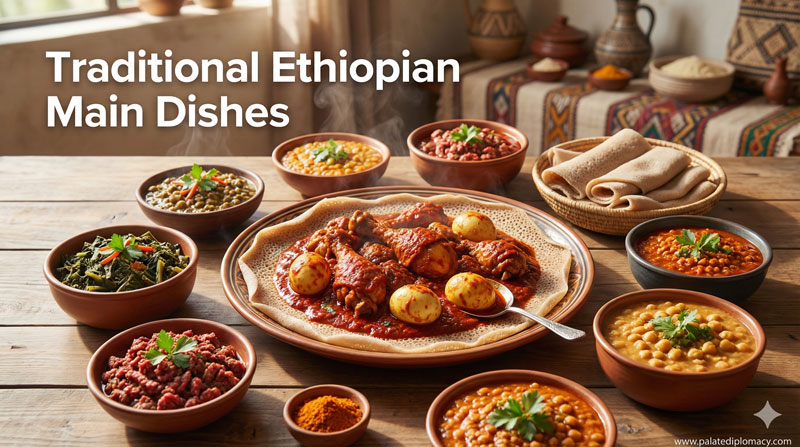
Doro Wat brings a symphony of flavors that feel distinctly Ethiopian. The base starts with onions slowly caramelizing to add sweetness and body. Berbere, a bold spice blend, releases aroma when it blooms in fat. Niter kibbeh, a fragrant spiced clarified butter, coats the ingredients and adds a creamy richness. Chicken, garlic, and ginger weave together with a tangy, roasted note from the spices, creating a sauce that clings to every bite.
Craft and Technique: Slow Simmer and Care
The heart of Doro Wat lies in patient technique. Onions are cooked until deeply golden, then the berbere is added to wake its heat and fragrance. The chicken braises gently, soaking up the spice and butter until tender. Hard-boiled eggs are added toward the end, absorbing the sauce’s flavors. The result is a thick, glossy gravy that envelops the chicken and eggs alike.
Injera: The Perfect Partner
No dish in Ethiopian Cuisine is complete without injera. This spongy, tart flatbread acts as both plate and utensil. Diners scoop Doro Wat with torn pieces of injera, letting the bread soak up the sauce. The pairing creates a tactile, communal dining experience that many people associate with home and hospitality. Injera and Doro Wat together tell a complete flavor story.
Rituals of Hospitality
Hospitable sharing is central to how Ethiopians enjoy Doro Wat. Meals arrive at the table in a joyful, unhurried rhythm. People gather around a common dish, offering spoonfuls to one another with care. The act of serving and sharing reinforces respect, warmth, and community. Each bite becomes a moment of connection.
Generational Traditions
Recipes for Doro Wat travel through generations, carrying memory and craft. Grandmothers often narrate the tweaks that personalize a family’s version. Young cooks learn balance—the right level of heat, the perfect onion sweetness, the precise teacup of niter kibbeh. This transfer creates continuity and a sense of belonging within the kitchen.
Everyday Joy and Festive Moments
Doro Wat fits both daily meals and special occasions. It elevates ordinary Sundays with a sense of ceremony and care. It also shines during festive gatherings, where families come together to share a banquet of flavors. The dish embodies gratitude for the ingredients, time, and company that make a meal meaningful.
Making Doro Wat at Home: A Simple Guide
Doro Wat invites home cooks to explore Ethiopian flavors with clarity. Gather chicken, onions, garlic, ginger, berbere, niter kibbeh, salt, and hard-boiled eggs. Sauté onions slowly, then bloom the spice mix. Add chicken and simmer with a little water or stock until tender. Finish with eggs and a final drizzle of flavorful butter. Serve with injera and enjoy the experience as a shared moment of culture.
Embracing the Flavor: A Gentle Conclusion
Doro Wat stands as a testament to the beauty of Ethiopian cooking. Its rich sauce, careful technique, and communal serving reflect a culture that values hospitality and connection. By savoring Doro Wat, listeners glimpse how food can celebrate heritage, craft, and togetherness in equal measure. This dish remains not just a meal, but a warm invitation to slow down, share, and appreciate the art of Ethiopian cooking.