
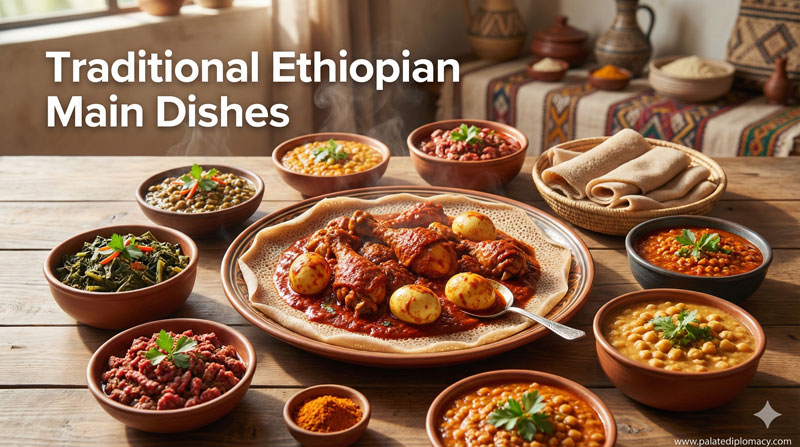
Discover the Rich Flavors of Kitfo
Kitfo is more than a dish. It is a doorway to a warm kitchen, a ritual of welcome, and a celebration of taste. This plate offers a gentle path into Ethiopian food culture through texture, aroma, and color. The minced beef glows with spice, while a veil of spiced butter carries fragrance through the room. When injera sits nearby, the scene becomes a shared moment of joy and care. Kitfo invites you to savor the balance between bold pepper notes and smooth, buttery richness. It teaches us how simple ingredients become something memorable when prepared with care and intention. The dish holds a quiet dignity that resonates at family tables, festival gatherings, and generous meals among friends. In every bite, you sense the patience and pride of cooks who honor tradition while inviting new flavors to the table.
The Craft Behind Kitfo
The heart of kitfo lies in craft. Chefs hand-mince tender beef until it looks almost like velvet. The texture is a voice you hear with your fork. A warm, golden butter infused with spices seals the aroma. This butter, known for its depth, carries nutty notes and a light kiss of heat. The pepper blend, often mitmita or berbere, adds bright warmth without hiding the beef’s sweetness. The result is a harmony of sinewy meat, smoky heat, and gleaming fat that glints in the light. Timing matters. The mix comes together just as the butter loosens its fragrance, releasing an inviting scent that fills the kitchen. The care shown in this moment defines kitfo’s sense of place in Ethiopian cooking.
Key Ingredients That Tell a Story
Three ingredients alone tell a long story: beef, niter kibbeh, and a pepper blend. The beef provides a clean, bright canvas for spices. Niter kibbeh is clarified butter enriched with cardamom, cloves, and sometimes cinnamon. It adds a silky texture and a warm, aromatic depth. The pepper blend—mitmita or berbere—introduces heat with a citrusy kick and a hint of earth. Injera, the sour flatbread, acts as both plate and utensil, soaking in fats and catching bits of seasoned meat. Ayib, a fresh cheese, and a side of greens or cooked vegetables complete the plate. Each component is steady and simple, yet together they create an expressive flavor map that speaks of hospitality and careful preparation.
Traditional Preparations and Variations
Traditions shape how kitfo appears on the table. The classic version uses raw, finely minced beef, gently warmed by the butter and spice mixture. Some kitchens choose a lightly cooked variation, where the meat is briefly warmed to a pale pink center. Both forms honor the same technique: an even, delicate mixing that preserves the meat’s tenderness while releasing the spice’s aroma. The dipping bread—the injera—often carries a little butter and spice from the pan, carrying it to the mouth with grace. Across households, small tweaks appear: a touch more chili for heat, or a splash of fresh lime to brighten the flavors. Regardless of the version, kitfo remains a celebration of balance and precision.
Serving Traditions and Shared Moments
Kitfo shines when shared. It arrives at the table on a large platter, inviting everyone to gather close. Friends and family use injera to scoop portions, turning eating into a collaborative ritual. The rhythm of passing plates, offering bites, and sharing stories creates a sense of belonging. The cheese ayib and greens on the side offer gentle contrasts, inviting conversation about textures and contrasts. In many households, the dish is part of a larger feast that marks a gathering, a feast day, or a special occasion. These moments reveal the social beauty of Ethiopian food culture: meals as a bridge between individuals, built on generosity and careful attention to each guest’s experience.
Flavor Profiles and Culinary Significance
Kitfo offers a palette of flavors that feel both bold and refined. The beef provides clean, beefy sweetness that pairs cleanly with the nutty, fragrant butter. The pepper blend adds a sunny, citrusy warmth with a hint of earthy depth. If you taste it with injera, you discover a gentle sourness that makes the spices sing even more. This interplay of dairy, spice, meat, and bread demonstrates how Ethiopian cuisine builds layers of flavor with restraint and rhythm. Kitfo’s significance lies in its ability to teach balance: heat and fat, spice and meat, softness and bite. It is a clear reminder that great flavors can emerge from careful technique and thoughtful sourcing.
A Connection to Ethiopian Food Culture
Beyond taste, kitfo embodies hospitality and craftsmanship. The dish travels through seasons and regions, adapting to local ingredients while preserving its core identity. It sits at the heart of a culinary tradition that values generosity, patience, and precise technique. The aroma of warming butter, the sparkle of spice, and the soft tang of injera create an atmosphere of welcome. In many households, preparing kitfo is a chance to honor ancestors and share knowledge with the next generation. The act of presenting a well-made plate becomes a story told through flavors, textures, and the simple joy of eating together.
Bringing Kitfo into Your Kitchen
If you wish to savor kitfo at home, start with good quality beef and fresh spices. Choose a clean cut and trim it carefully. Prepare the spice blend with mitmita or berbere, then melt niter kibbeh until its surface shimmers. Mix the meat with a portion of warm butter and spices, folding gently to keep the texture tender. Serve with injera and a side of ayib or soft cheese, plus greens for color and balance. The goal is to create harmony among the elements, not to overshadow the meat’s natural sweetness. Keep conversations light and focus on the aroma as you cook. This approach brings the spirit of Ethiopian dining into your kitchen with care and respect.
Embracing the Cultural Value of Kitfo
Kitfo is more than a plate; it is a thread in the fabric of Ethiopian food culture. It teaches reverence for ingredients, precision in technique, and joy in sharing a meal. The dish invites us to slow down, to notice the way butter melts into spice, or how a piece of injera holds a bite without tearing. It encourages curiosity about textures, aromas, and the way a single dish can carry memories of family, friends, and celebrations. By approaching kitfo with openness and respect, we honor the artistry of Ethiopian cooks and the warmth they extend to every guest.
Closing Thoughts: A Taste of Welcome
As you explore kitfo, let the flavors guide you gently. The dish offers a respectful invitation to explore Ethiopian flavors with curiosity and care. It celebrates the simple elegance of well-chosen ingredients and the patience of thoughtful preparation. Whether you encounter it in a bustling kitchen or at a warm family table, kitfo leaves you with a sense of culinary gratitude. May your first bite feel Like a friendly hello, and may the shared plate remind you that good food is most vibrant when it brings people together.