
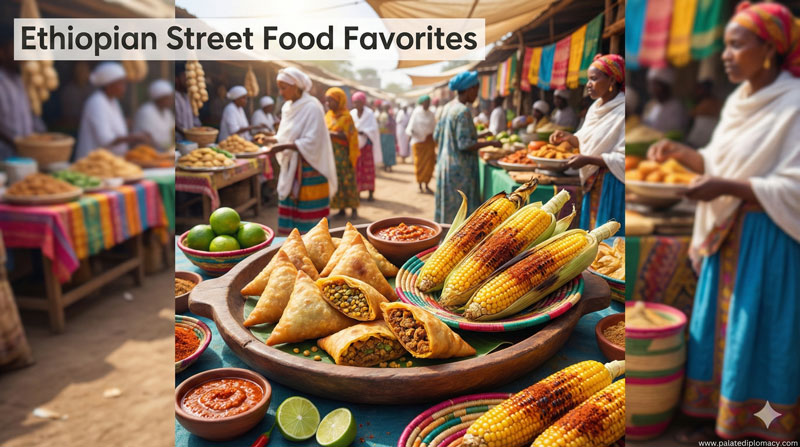
Top Reasons Ethiopians Love Sambusa are easy to spot in kitchens and on tables across the country. This small, triangular pastry invites conversation as it travels from street stalls to family gatherings. It blends warmth, texture, and aroma into a comforting bite that many Ethiopians associate with hospitality and care. Below, discover how sambusa sits at the heart of Ethiopian food culture.
What is Sambusa?
Sambusa is a crisp pastry filled with savory goodness. The dough is thin and almost paperlike, wrapped around a flavorful filling. Common fillings include spiced lentils, minced beef, or vegetables. Each bite carries a gentle crunch, a fragrant spice layer, and a satisfying balance of richness and brightness. The preparation blends simple ingredients into a familiar pleasure that feels both everyday and special.
Cultural Significance at the Table
Sambusa embodies hospitality. Families welcome guests with warm aromas and a quick, comforting snack. Sharing sambusa signals generosity and care. It appears in homes before larger meals and during festive moments. The act of passing platters from hand to hand reinforces a sense of community and belonging.
The Craft: Dough, Fillings, and Technique
The magic starts with the dough, rolled thin to a delicate edge. Fillings are seasoned with cumin, coriander, garlic, and sometimes a hint of chili. The filling should be flavorful yet balanced, not overpowering the crisp crust. Frying time is brief but precise, yielding a golden, crackly exterior. The result is a dish that rewards attention and pride in small details.
Regional Varieties and Fillings
Across Ethiopia, sambusa reflects local tastes. Lentil fillings (misir) are common and beloved for being hearty and vegetarian-friendly. Meat versions mix ground beef or lamb with onion, pepper, and spices. Some families add fresh herbs, green chili, or a touch of fenugreek for aroma. These variations highlight how households adapt recipes to what’s available and to the season.
Occasions and Serving Traditions
Sambusa is a favorite at coffee ceremonies and after-meal moments. It pairs well with the rich aroma of strong coffee and a glass of sweet tea. It also shines during celebrations, market days, and family reunions. In many homes, sambusa is prepared together, turning cooking into a shared, joyful ritual.
Pairings and Flavor Harmony
Serve sambusa warm to preserve the crisp crust. A cup of Ethiopian coffee or a mellow tea complements the spice and creates a comforting balance. Fresh herbs or a light yogurt dip can brighten the plate. These pairings help sambusa feel both grounded and bright, enhancing the overall dining experience.
Sharing, Memory, and Community
Beyond taste, sambusa conveys memory and connection. It recalls kitchens filled with laughter, the patience of elders teaching young cooks, and the pride of presenting a well-made pastry. The simple act of sharing sambusa strengthens bonds and creates a welcoming atmosphere for guests and friends.
Final Thoughts: Why Sambusa Endures
Sambusa endures because it is versatile, approachable, and deeply human. It travels well from home ovens to small stalls, carrying scent, texture, and care. Ethiopians cherish sambusa not only for flavor but for what it represents: hospitality, craft, and togetherness. If you visit an Ethiopian table, you may discover that a single bite opens a doorway to shared warmth and everyday beauty.