
Introduction
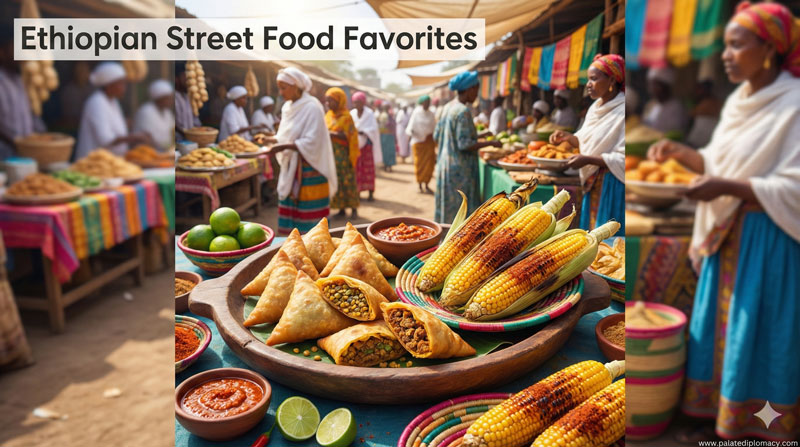
How Roasted Corn Reflects Ethiopian Food Culture invites you to explore a humble dish with big cultural resonance. A simple cob, roasted over open flame, speaks of hospitality, craft, and shared moments. This post focuses on the dish’s cultural value and culinary significance, showing how the act of roasting corn links people, season, and place in Ethiopian life. Expect a warm, inviting read that celebrates flavor, technique, and the everyday beauty of food.
The Simple Power of Corn
Corn has long belonged to many Ethiopian communities as a versatile staple. Its abundance invites creativity in home kitchens and market stalls alike. When the kernels glow gold and sweet, they embody harvest vitality and regional pride. This dish proves that simplicity can be deeply meaningful. It invites people to gather, taste, and appreciate the rhythm of daily life around the fire.
Technique and Aroma
Roasting corn is a tactile craft as well as a flavor act. Heat brightens the natural sweetness, while a light char adds depth. The aroma fills the air, signaling a moment of pause and anticipation. A touch of salt or a gentle brush of butter elevates the experience without overpowering it. In this way, technique becomes a storytelling medium—each crackle and sizzle tells a small story about care, patience, and welcome.
Social Threads: Markets and Mealtime
In Ethiopian culture, food often centers a social circle. Roasted corn travels from street stalls to family gatherings, appearing at markets, fairs, and outdoor meals. It is a dish that invites sharing—hands pass the cob, laughter rises, and conversations begin. This communal aspect is more than flavor; it is a ritual of generosity, closeness, and connection. The corn becomes a thread that links neighbors, visitors, and kin.
Flavor, Spice, and Pairings
The flavor profile of roasted corn is bright and adaptable. Its sweetness shines when paired with simple accompaniments, and it can carry subtle spice without losing its identity. In many settings, cooks finish the corn with a dash of local spice blends or a touch of oil to highlight regional taste. The dish thus acts as a canvas for tradition, letting regional flavors show through while remaining accessible to everyone at the table.
Seasons, Harvest, and Home Kitchens
Corn follows the rhythms of the growing season, aligning with harvest time and the abundance that follows. In homes and villages, roasted corn marks times of plenty and celebration. Its presence reminds communities of their connection to land, weather, and agricultural cycles. This link between crop and cooking helps explain why the dish feels both familiar and meaningful across different settings.
When You Serve: A Welcoming Dish
Serve roasted corn on a shared platter or in small bunches that encourage easy nibbling. Pair it with the warmth of conversation, a cup of tea, or a simple bread course. The presentation should emphasize accessibility and togetherness. In essence, this dish invites everyone to slow down, savor, and enjoy a moment of communal pleasure.
Conclusion
How Roasted Corn Reflects Ethiopian Food Culture celebrates a dish that is honest, communal, and deeply rooted in daily life. The simple roasting method reveals a careful balance between fire, ingredients, and people. This dish stands as a quiet testament to hospitality, regional pride, and the joy of shared meals. By embracing its culinary charm, you gain a window into Ethiopian food culture that is inviting, respectful, and wonderfully edible.