
Why Sambusa Is One of Ethiopia’s Most Loved Dishes
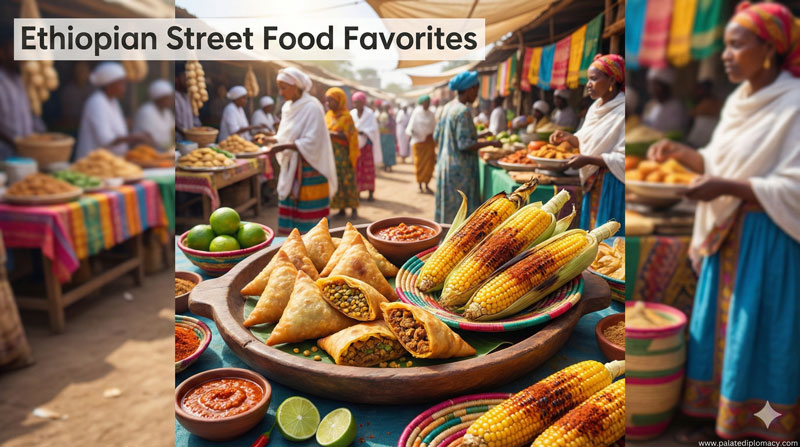
Sambusa is a small triangle of joy that many Ethiopians reach for with a smile. It stands out because it blends crunch, warmth, and spice in a single bite. The aroma draws you in, and the filling delivers comfort. This dish travels through homes, markets, and cafés with equal ease. It is a staple that feels welcoming to guests and familiar to families. In its simplicity, sambusa carries a lot of meaning. It marks everyday meals and special moments alike. People welcome friends with a plate of sambusa, and conversations often start around the warm scent of frying pastry. The dish shows how food can be both a quick pleasure and a quiet tradition.
Sambusa is commonly made as a light starter or snack. Yet it also plays a role in more elaborate meals. You may find it alongside coffee, tea, or warm soup. The eggs of a neighborhood kitchen seem to shimmer in the oil as cooks shape every triangle by hand. Because it travels from street stalls to home kitchens, sambusa feels both everyday and celebratory. It invites a shared moment, a pause to savor a simple, well-made bite. This is why sambusa has earned a cherished place in Ethiopia’s culinary landscape. It remains a small, welcoming emblem of hospitality and home cooking.
The Craft Behind the Dough
The dough behind sambusa is straightforward, but the technique matters. Cooks roll it thin and even, then cut it into neat shapes. The goal is a crisp outer shell that protects a soft, flavorful heart. The dough is balanced with a touch of salt and just enough moisture to hold shape. When the triangles are in place, they’re ready for heat, which brings out their tenderness and color. The frying heat should be steady, not too hot, so the pastry browns evenly. The result is a shell that crackles when touched and yields to the bite.
In many kitchens, a little butter or oil is brushed on to add gloss and flavor. Some cooks use clarified butter, known for its rich aroma. Others prefer a lighter touch, letting the filling steal the show. Either way, the pastry should taste clean and crisp. The technique rewards patience. A well-made sambusa stays intact when picked up, and its edges reveal a careful fold. The love of this craft is visible in every triangle, in the careful layering, and in the warm glow of the pan.
Fillings: A Palette of Flavors
Filling is where sambusa truly shines. The most common fills are meat or lentils, but variety adds depth and color. A classic choice pairs ground beef or lamb with onions, garlic, and green chilies. Spices like cumin, coriander, and sometimes berbere bring warmth without overwhelming the palate. Lentil fillings offer a fragrant, hearty option that still remains light enough for a snack. Vegetables such as peas, carrots, or spinach can appear for vegetarian versions. Each region or family may have its own signature combination, and that variety is part of the dish’s charm.
The filling is prepared with care before it meets the dough. Sautéed onions soften, then the other ingredients are stirred in. The mix should taste bright and balanced, not heavy. When the filling cools slightly, it’s placed inside the pastry triangles. The moment of closing the edge, sealing the pocket, is a small act of precision. In the end, every sambusa carries a careful blend of moisture, spice, and texture. That balance is why the dish remains satisfying from the first bite to the last.
A Dish for Gatherings and Everyday Moments
Sambusa fits many moments. It appears at bustling markets, where vendors offer a quick bite between errands. It also graces home kitchens, where families pass it around during tea time or after a meal. The dish invites sharing. People often offer sambusa to neighbors and guests, a simple gesture that fosters warmth and connection. Because its preparation can be collaborative, it becomes a tiny ritual. Children help dust the counter, adults monitor the heat, and everyone admires the finished triangles lined up on a plate.
The social rhythm around sambusa is peaceful and inclusive. It creates small, meaningful conversations: about spice choices, family recipes, or favorite fillings. This shared enjoyment has a lasting effect beyond taste. It reinforces a sense of community and care. In that sense, sambusa is more than food. It is a conduit for hospitality, conversation, and friendly exchange. Each bite carries The Story of kitchens where people welcome others with open hearts.
Regional Variations: A Tapestry of Taste
Across Ethiopia, sambusa carries regional touches. In some places, people favor a punchier spice mix that leans on berbere for warmth. In others, milder flavors prevail, highlighting the delicate balance of onion and herbs. Some cooks favor meat fillings, while others celebrate lentils or mixed vegetables. The dough can vary as well, with thinner wrappers in some areas and sturdier edges in others. You may even taste small, local twists in the pastry’s puff, color, or crispness.
These variations reflect daily life and local ingredients. They show how a single dish can adapt while preserving its essence. The common thread is care: the careful routine of rolling, folding, and frying, the mindful choice of fillings, and the shared pleasure of serving something made with attention. The tapestry of sambusa flavors demonstrates how Ethiopian Cuisine invites exploration without losing its sense of home. It is a dish that travels well inside its own borders, carrying pride in regional craft and local taste.
Pairings and Serving Traditions
Sambusa pairs gracefully with the rituals of daily life. Serve it hot, straight from the pan, to capture the crisp shell and warm filling. It complements freshly brewed coffee and strong tea, two drinks that invite slow, friendly talk. A simple tomato-based dipping sauce or a green chili sauce can brighten the palate, adding a light kick for those who enjoy more heat. Fresh herbs or a squeeze of lemon can lift the flavors and provide a bright finish.
The way sambusa is presented matters. A clean plate, a neat line of triangles, and a shared platter invite conversation. When neighbors come over, a plate of sambusa can symbolize welcome and generosity. The act of offering, sharing, and savoring together makes the dish a social anchor. In this way, sambusa supports the gentle rhythms of everyday life and the small celebrations that make a community feel like home.
The Cultural Value: Shared Moments and Craft
Sambusa embodies hospitality in a simple, affectionate form. It is a reminder that meals are best enjoyed together. The act of making sambusa—rolling dough, choosing fillings, and frying to a golden finish—becomes a family ritual, a learning moment for younger cooks, and a bridge between generations. Its presence at gatherings signals warmth, care, and welcome. The dish also reflects a culture that values balance: a crisp exterior, a tender interior, and a careful blend of spices that harmonize with the ingredients.
In short, sambusa is more than a snack. It is a small celebration of Ethiopian food culture. It honors craft, invites sharing, and enriches everyday moments with flavor and grace. By its nature, sambusa invites people to slow down, taste deeply, and enjoy the company around the table. This is why sambusa remains one of Ethiopia’s most loved dishes—from home kitchens to community spaces, it stands as a delicious symbol of hospitality and tradition.