
Discover the Rich Flavors of Shiro Wat
Shiro Wat Is more than a dish. It is a conversation between grain, spice, and time. Its soothing aroma invites you to pause, savor, and connect with a tradition built on care, craft, and shared meals. In this post, we explore its cultural value and culinary significance, shining a light on how this humble stew enriches gatherings and daily life alike.
What is Shiro Wat?
Shiro Wat is a creamy, comforting Ethiopian stew made from finely ground chickpea flour, often called shiro. It blends onion, garlic, and ginger with warm spices such as berbere, creating a balance of gentle earthiness and bright heat. The texture is smooth yet substantial, a silk-like sauce that clings to bread and embraces each scoop. Many kitchens finish the dish with a touch of spiced butter, which adds depth and a inviting sheen. The result is a versatile centerpiece that can shine on a simple weeknight table or on a wider celebratory spread.
The Base and Texture: A Craft of Simplicity
The heart of shiro lies in its flour—the quick, dissolving powder that forms the sauce. Chefs toast the flour lightly, then slowly bloom it with onions and liquid. This careful procession yields a thick, velvety body without heavy meat or dairy. The technique highlights restraint and patience: you layer flavors, allow them to meld, and then bring everything to a cozy, creamy finish. When prepared well, shiro feels both luxurious and accessible, a testament to the beauty of simple ingredients elevated through technique.
Aromatics, Spices, and the Scent of Home
Berbere spice, garlic, and onions create a warm, inviting aroma that signals hospitality. The spices provide warmth without overpowering the gentle sweetness of onion and chickpea flour. Ginger adds a bright note, while a touch of smoked pepper or chili adds depth. The scent alone evokes memories of family kitchens, communal tables, and careful preparation. This blend reflects a culinary philosophy: layers of flavor built with everyday ingredients can create something greater than the sum of its parts.
Cultural Value: Shared Meals and Everyday Significance
Shiro Wat holds a special place in Ethiopian food culture for several reasons:
- It embodies generosity and inclusion. The dish is often prepared in larger quantities to feed many, reinforcing a sense of community.
- It showcases versatility. Shiro can be adjusted for heat, thickness, and richness, making it suitable for both modest weeknights and festive occasions.
- It emphasizes balance. The creaminess, the bold yet harmonious spice, and the tang of injera create a complementary pairing that highlights the country’s skill in marrying textures and flavors.
- It serves as a bridge between everyday life and celebration. A pot of shiro on the stove signals care and hospitality, inviting guests to gather, share stories, and enjoy a moment of connection.
Serving Traditions: Injera as the Perfect Partner
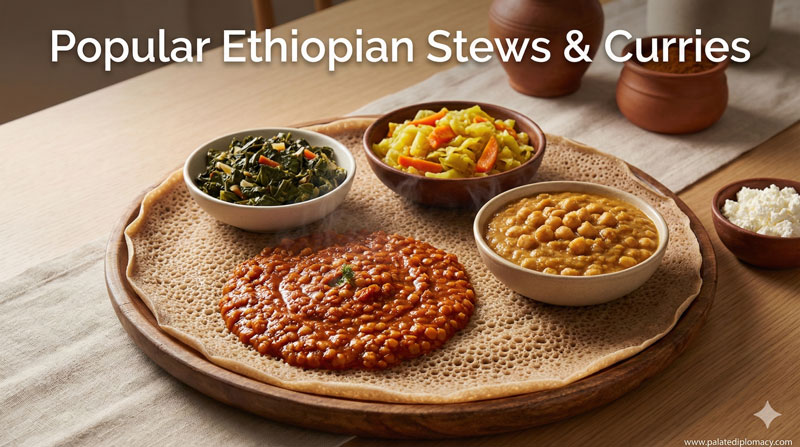
Shiro Wat is traditionally enjoyed with injera, the spongy, sour flatbread made from teff. Diners tear a piece of injera and use it to scoop the shiro, allowing fat and spice to cling to the bread. This communal method of eating reinforces togetherness and shared experience. In many homes, meals begin with a moment of attention to the pot—stirring, checking thickness, and adjusting seasoning—before the table is set and stories begin. The pairing of shiro with injera highlights a culinary philosophy that flavor and texture can come from simple, well-loved staples.
Regional Expressions: Subtle Variations Across the Country
Within Ethiopia, small regional differences influence how shiro is prepared and enjoyed. Some cooks favor a lighter touch of berbere for a milder warmth, while others embrace a richer, deeper spice profile. The base may lean toward a thicker, more spoonable consistency in some areas, and toward a looser sauce in others. In certain households, a dash of spiced butter or niter kibbeh adds a fragrant finish. These variations celebrate local tastes and Family Traditions, illustrating how a single dish can reflect diverse culinary identities while remaining a unifying element at the table.
Healthful Qualities and Culinary Merit
Shiro Wat offers nourishment with plant-based protein from chickpeas and a comforting, satisfying texture. The dish’s richness comes from slow cooking and careful spice balance rather than heavy fats. Its fiber and protein support generous, wholesome meals, especially when paired with injera. Beyond nourishment, shiro invites a mindful approach to cooking—careful heat control, gradual thickening, and the use of fresh aromatics all contribute to a superior dining experience.
Cooking Tips for Home Cooks
- Start with a soft foundation. Sauté onions until translucent, then add garlic and ginger to release their fragrance before introducing spices.
- Create a smooth base. Whisk chickpea flour with water or stock to prevent lumps, then gradually stir into the pot.
- Build a harmonious spice layer. Add berbere in stages, tasting as you go, so warmth builds without becoming overpowering.
- Watch the texture. For a silkier finish, simmer slowly and stir regularly. For a heartier version, let it thicken a bit more.
- Finish with balance. A small amount of seasoned butter can lift the flavor, while a squeeze of lemon or lime can brighten the dish just before serving.
A Dish for Shared Tables
Shiro Wat’s enduring appeal lies in its ability to bring people together. It invites conversation, collaboration, and generosity. Preparing shiro can become a family ritual—each step offering a moment to teach, taste, and pass down a trusted method. Serving it on a shared plate underscores a social spirit: everyone gathers, shares, and savors in unison. In this way, the dish transcends its ingredients and becomes a meaningful practice within the culture of food.
Conclusion: The Quiet Grandeur of Shiro Wat
In every simmer, Shiro Wat tells a story of care, community, and culinary craft. Its creamy texture, balanced spice, and perfect companionship with injera place it at the heart of Ethiopian food culture. It is a celebration of simple ingredients elevated through technique, patience, and love for the table. Whether enjoyed as a everyday supper or a dish for a special gathering, shiro invites us to slow down, appreciate texture and aroma, and honor the beauty of shared meals.