
What Is Atkilt Wat?
Atkilt Wat Is a beloved Ethiopian vegetable stew. It blends cabbage, carrots, potatoes, and green beans with onions, garlic, and ginger. A tomato base is enriched with turmeric, cumin, and coriander to give warmth. Some cooks add a touch of berbere for gentle spice. The dish is usually cooked in oil and finished with a light, bright note of salt. It is most often served with injera, the sour flatbread that acts as plate and utensil. Atkilt Wat shines for its balance of bright vegetables and comforting seasoning. It invites you to slow down and savor. Travelers often encounter it as a welcoming introduction to everyday Ethiopian cooking.
The Colorful Palette of Vegetables
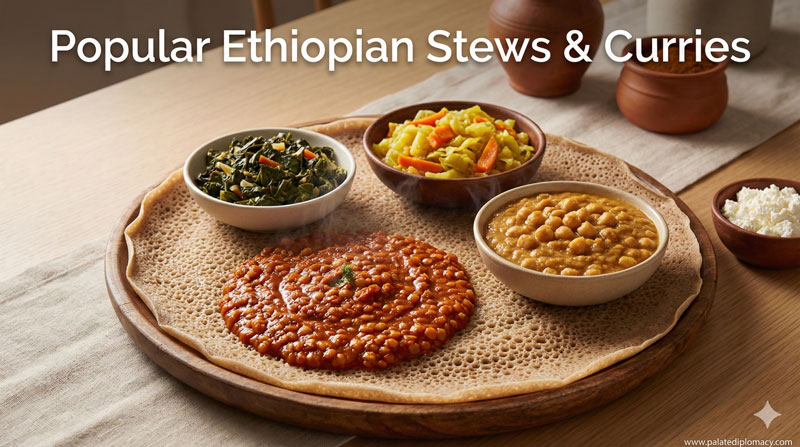
This dish presents a colorful, inviting palette. Orange carrots meet green beans and purple cabbage, all paired with golden potatoes. Vegetables are cut into similar sizes to cook evenly. The produce reflects the harvest and factory of local markets, season after season. Each bite offers a clean, crisp texture that softens into tenderness. A gentle sweetness core remains, even as spices wake the palate. The result is a plate that feels fresh, wholesome, and deeply satisfying.
Spice and Harmony
Turmeric lends a warm glow and mild earthiness. Cumin and coriander add citrusy warmth and depth. Some cooks finish with a hint of berbere for a soft kick of heat. Tomatoes soften into a silky sauce that clings to every piece of vegetable. The spice blend is confident but never overwhelming. It guides the vegetables into a harmonious chorus rather than a loud note. This balance makes Atkilt Wat inviting for travelers and comforting for locals alike.
The Technique Behind the Flavor
The method matters as much as the ingredients. Begin by slowly caramelizing onions in oil to build sweetness. Add garlic and ginger, then the spices to bloom their aroma. Stir in tomatoes and a pinch of salt. Add potatoes and carrots and simmer until nearly tender. Cabbage and green beans join near the end to keep their bite. The sauce thickens as flavors mingle. Finally, let the dish rest briefly before serving with injera to scoop and soak.
Cultural Value: Shared Meals and Hospitality
In Ethiopian dining, meals are moments of togetherness. Guests are welcomed with bowls passed around the table. Injera serves as both plate and utensil, inviting dipping and tearing. Atkilt Wat embodies generosity: a vegetable-forward dish that feeds many with warmth. The dish supports a tradition of family-style eating, where everyone shares and conversations flow as aromas rise. This communal rhythm gives the meal its true character and charm.
A Traveler’s First Taste: The Welcome of Atkilt Wat
Travelers describe Atkilt Wat as comforting and uplifting. The aroma invites curiosity, and the texture of the vegetables feels both familiar and new. The dish often sits beside stories of markets, kitchens, and local gardens, deepening the sense of place. With each bite, travelers sense the care in the kitchen and the patience of a recipe handed down through generations of cooks. The experience is more than taste; it is immersion in a food culture built on hospitality and freshness.
Injera as a Partner: A Duo of Taste and Texture
Atkilt Wat is most commonly enjoyed with injera. The sour tang of injera contrasts the savory sweetness of the stew, balancing flavors on the tongue. The partnership turns a simple bowl into a shared, tactile experience. The bread’s porous surface soaks up the sauce, making each mouthful a new mix of vegetables and spice. This duo highlights how texture and acidity can elevate a vegetable dish into a memorable meal.
Where It Shines: Regions and Variations
Across Ethiopia, cooks adapt Atkilt Wat to local produce and Family Traditions. Some versions emphasize cabbage and potatoes more; others lean toward a firmer texture with longer simmering. Variations exist in spice intensity and the use of berbere or turmeric. Regardless of the version, the dish remains a tribute to home cooking and regional pride in fresh ingredients. It travels well in the sense that it carries the land’s flavors in a simple, respectful form.
How to Enjoy Atkilt Wat: Tips for the Plate
Choose a fresh injera as the companion. Eat slowly and let the sauce mingle with the bread. Pair with a light salad or another modest lentil dish for color and contrast. If you cook at Home, adjust spice with care—taste often and add heat gradually. A squeeze of lime or lemon brightens the dish just before serving. These small steps let the vegetables and spices shine without overpowering them.
Conclusion: A Dish that Bridges Taste and Tradition
At its heart, Atkilt Wat is more than a meal. It is a story of vegetables grown in sunlight, spices traded across lands, and kitchens where neighbors gather. Travelers fall for its balance, its warmth, and its invitation to join a table where food and conversation mingle. By savoring Atkilt Wat, you taste a tradition that celebrates everyday generosity and the beauty of Ethiopian cooking.