
Discover the Rich Flavors of Shiro Wat
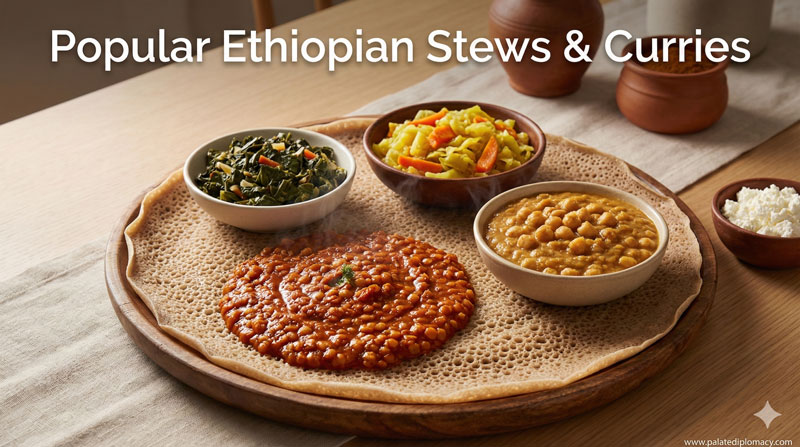
Shiro Wat invites you into the heart of Ethiopian cooking. This stew centers on ground chickpea flour, simmered with onions, garlic, and a gentle blend of spices. The aroma fills the home and signals a welcoming moment. Cooks stir with care, shaping a silky sauce that feels both hearty and light. Injera bread stands by, ready to cradle the sauce and catch every bite.
Core Ingredients and the Craft of Shiro Wat
The base is roasted chickpea flour, often labeled shiro powder, which brings a nutty sweetness. It blends with onions softened in oil, then garlic and ginger for warmth. A soft spice note arrives through berbere or a milder mix, chosen to suit the cook. Tomato is sometimes added for color and brightness. The technique is straightforward: simmer onions in oil until translucent, add garlic and ginger, stir in spices, then whisk in the shiro flour with water to form a creamy sauce. Simmer until thick and glossy. The result is a nourishing, velvety sauce that coats injera or rice.
Cultural Roots in Ethiopian Cuisine
Shiro Wat represents more than sustenance; it reflects a careful balance of season and seasonality. In many households, this dish appears in daily meals as a reliable source of protein and comfort. It also shines during fasting days when meals lean plant-based. The pairing with injera creates a shared eating experience, where the bread soaks up the sauce and invites conversation. Through the years, cooks refine the balance of spice and creaminess, preserving a gentle tradition that honors the land and its pantry.
Shiro Wat on the Table: Everyday and Special Occasions
This dish travels easily from casual weeknights to festive gatherings. The act of serving becomes a small ceremony: a pot on the stove, a family spoon ready to pass, and a loaf of injera alongside. Guests savor the gentle heat and the smooth texture that invites slow tasting. In many homes, Shiro Wat Is more than food; it is a shared moment that marks care and hospitality. The dish invites all ages to participate, from helping with chopping to stirring near the end.
The Sensory Journey: Aroma, Texture, and Flavor
As it simmers, Shiro Wat releases a warm, roasted aroma. The chickpea flour gives a nutty note that softens with onions and garlic. Ginger adds brightness, while berbere adds depth without overpowering. The texture is creamy and light, yet substantial enough to feel comforting. Each bite blends earthiness with a kiss of spice, delivering a steady, satisfying finish. The sensory experience invites lingering, reflection, and gratitude for time spent in the kitchen.
Serving Traditions and Pairings
Shiro Wat pairs best with injera, whose airy pockets catch the sauce beautifully. A simple side of lentils or vegetables can accompany the dish on some days, but the star remains the shiro-sopped injera bite. For temperature and aroma, many serve it warm, with extra oil or niter kibbeh for a richer finish. Some cooks drizzle a little clarified butter on top to brighten the flavors. Regardless of the season, a small bowl of fresh salad or cucumber slices can balance the richness.
A Dish That Bridges Generations
The craft of Shiro Wat is often passed from parent to child, aunt to cousin, neighbor to neighbor. Each family adds its own touch—how long to simmer, the level of spice, the texture of the sauce—while preserving a shared identity. This continuity creates a living culture, where a humble ingredient becomes a symbol of hospitality, care, and daily joy. By cooking Shiro Wat, one sustains a lineage of flavors and stories that travel through time in a single spoonful.
Embracing Shiro Wat in Your Kitchen
Shiro Wat invites cooks of all levels to explore patience and balance. Start with a ready-made shiro powder for ease, then adjust heat by adding berbere gradually. This dish rewards slow simmering and steady tasting as you go. As you serve, reflect on the cultural roots and the shared joy of a simple, nourishing meal. In every bowl, you taste an invitation to connect—with family, with tradition, and with the timeless craft of Ethiopian Cuisine.