
Discover the Rich Flavors of Shiro Wat
Shiro Wat Is a velvety Ethiopian stew built from finely ground chickpeas and a warm, aromatic spice blend. The texture is smooth and comforting, yet the flavor carries a bright depth from onions, garlic, and berbere. In every bite, you sense patience and care—the quiet artistry of home cooking. This dish stands out for its plant-based richness and its ability to bring people together around a shared table. Shiro Wat invites you to pause, breathe in the spices, and appreciate the beauty of a well-balanced, nourishing meal.
A Window into Ethiopian Hospitality
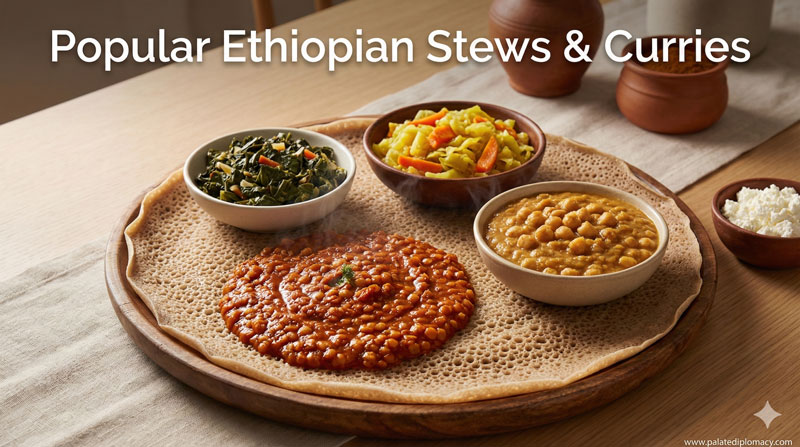
Food in Ethiopian culture often centers on generosity and communal joy. Shiro Wat frequently appears on a large platter that encourages everyone to eat together, with injera laid out as a welcoming cradle. The act of serving and breaking bread with others signals welcome, respect, and friendship. The aroma alone signals a gathering moment, inviting conversation and connection. When Shiro Wat reaches the table, it marks not just a meal, but a moment of togetherness that honors guests and family alike.
Core Ingredients and Flavor
The heart of Shiro Wat is a creamy base made from chickpea flour, slowly hydrated to release its gentle nutty notes. Onions provide sweetness, while garlic and ginger add warmth and brightness. Berbere—an iconic Ethiopian spice mix—brings warmth, depth, and a touch of heat. Some cooks finish with a drizzle of niter kibbeh (spiced clarified butter) for a rich aroma, while others use oil for a lighter profile. Salt threads through the pot, balancing sweetness and spice. Optional touches, Like a whisper of tomato paste or a hint of additional spice, can brighten the dish without changing its essential character. The result is a sauce that clings lovingly to injera and to the fingers that scoop it up.
Regional Expressions
Across households and regions, Shiro Wat wears subtle but meaningful differences. Some cooks adjust the thickness to suit preference, creating a thick, hearty version or a lighter, more sauce-like texture. The intensity of berbere can vary, yielding a milder, sweeter finish or a bold, peppery bite. Niter kibbeh is used in many kitchens for a buttery, fragrant finish, while others prefer a pure, olive-oil base. The spice profile may lean toward earthy cumin, cardamom, or fenugreek in certain locales, reflecting local palates and harvests. These variations demonstrate how a single dish can reflect a community’s values and resources without losing its core identity.
Texture and Craft
Crafting Shiro Wat calls for steady, attentive simmering. The chickpea flour dissolves into a creamy sauce as heat softens the bite of the spice. The goal is a cohesive, smooth texture that carries the spices evenly from spoon to mouth. Attention to heat prevents lumps and preserves a glossy sheen. The aroma rises in gentle waves as onions caramelize and release their sweetness. The finished dish invites you to savor its balance: the earthiness of legumes, the warmth of spice, and the mellow depth that comes from careful simmering.
A Timeless Tradition
Shiro Wat sits comfortably in both everyday meals and festive gatherings. It is a staple on busy weeknights and a beloved choice during special celebrations, where the table becomes a stage for sharing and mutual care. On fasting days or meat-free meals, Shiro Wat offers robust nourishment, proving that plant-based cooking can be luxurious and satisfying. This continuity—from daily sustenance to ceremonial moments—highlights the dish’s enduring role in the food culture. It stands as a quiet emblem of patience, skill, and dedication in the kitchen.
Pairings and Serving Rituals
Shiro Wat is traditionally served with injera, a spongy flatbread that doubles as a utensil. Diners tear a piece of injera and use it to scoop the stew, savoring the contrast between the soft bread and the rich sauce. The pairing creates a harmonious experience where texture and flavor travel together from platter to mouth. In social gatherings, the serving rhythm—shared portions, warm hospitality, and easy, unhurried conversation—becomes part of the dish’s charm. The combination of Shiro Wat and injera embodies the generous spirit of Ethiopian food culture.
The Subtle Beauty of Shiro Wat
Shiro Wat embodies more than flavor; it embodies a philosophy of cooking that values simplicity, balance, and care. It honors ingredients that are accessible, nourishing, and deeply satisfying. The dish teaches that a thoughtful blend of humble components can yield a taste with grace and memory. When you encounter Shiro Wat, you encounter a cultural expression that invites respect for craft, gratitude for sharing, and a sense of belonging at the table.
A Gentle Invitation to Explore
If you seek a dish that speaks softly yet lingers in memory, Shiro Wat offers a meaningful experience. Its cultural value rests in the way it unites family and friends, its respectful treatment of plant-based ingredients, and its celebration of slow, attentive cooking. By savoring Shiro Wat, you celebrate a tradition that values nourishment, hospitality, and the quiet beauty of a well-made meal.