
What is Kik Alicha?
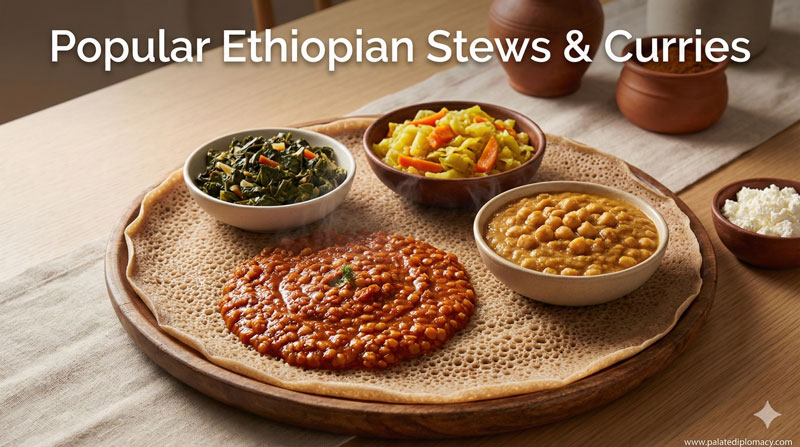
Kik Alicha is a beloved Ethiopian dish that invites you to slow down and savor the moment. This gentle yellow split pea stew is bright, comforting, and quietly flavorful. The core ingredients are yellow split peas simmered in a mild, aromatic base of onions, garlic, and ginger. Turmeric gives a sunny color and a warm fragrance, while niter kibbeh or a neutral oil carries the spices smoothly. The result is a creamy, lightly seasoned dish that highlights the natural sweetness of the peas.
Culinary Techniques Behind Kik Alicha
A well-made Kik Alicha relies on balance and patience. First, rinse the peas and prepare your aromatics. Next, sauté chopped onions in oil until they turn golden and sweet. Then add minced garlic and ginger, cooking briefly to release their aroma. Stir in turmeric and a pinch of salt. Add the yellow peas and enough water to cover. Simmer gently until the peas are tender and the sauce thickens to a silky consistency. Finally, adjust seasoning and let the dish rest for a moment so flavors meld. The result is a golden, comforting bowl that is easy to enjoy any day of the week.
Cultural Value and Culinary Significance
Kik Alicha embodies the spirit of Ethiopian home cooking. It celebrates simple, affordable ingredients transformed through careful technique. The dish is a staple on many family tables, offering nourishment with grace and warmth. Its mild profile invites careful tasting and appreciation of texture, color, and aroma. In this way, Kik Alicha tells a story of daily life, hospitality, and shared meals, where food becomes a way to connect with loved ones and celebrate effort and care in the kitchen.
Serving Traditions and Pairings
Kik Alicha shines when plated with injera, the soft, spongy flatbread that soaks up sauces beautifully. It is commonly served on a large platter or mat, where everyone uses injera to scoop and savor. The dish pairs well with other Ethiopian favorites, such as shiro or misir wot, creating a varied, vibrant spread. The contrast between the creamy Kik Alicha and the tangy, airy injera enhances the overall dining experience.
Regional Variations
Across kitchens, you may find small variations. Some cooks add a hint of cumin, coriander, or cardamom for a warmer spice note. Butter (or clarified butter) can be used in place of oil for a richer mouthfeel. Some cooks include a squeeze of lemon or lime juice at the end for bright acidity. Even with these tweaks, the heart of Kik Alicha remains the same: a soothing, yellow-pea stew that honors simplicity and care.
Tips for Home Cooks
- Rinse peas well to keep the texture smooth.
- Use a gentle simmer to prevent the sauce from breaking.
- Taste and adjust salt gradually; the dish relies on balance more than bold heat.
- Let the dish rest a few minutes after cooking to deepen the flavors.
Final Thoughts
Kik Alicha is more than a dish; it is a moment of cultural expression through food. Its tenderness, color, and comforting aroma invite gratitude for everyday meals and the craft of home cooking. By savoring Kik Alicha, you glimpse the warmth of Ethiopian culinary tradition and the joy of sharing a nourishing, thoughtfully prepared meal.