
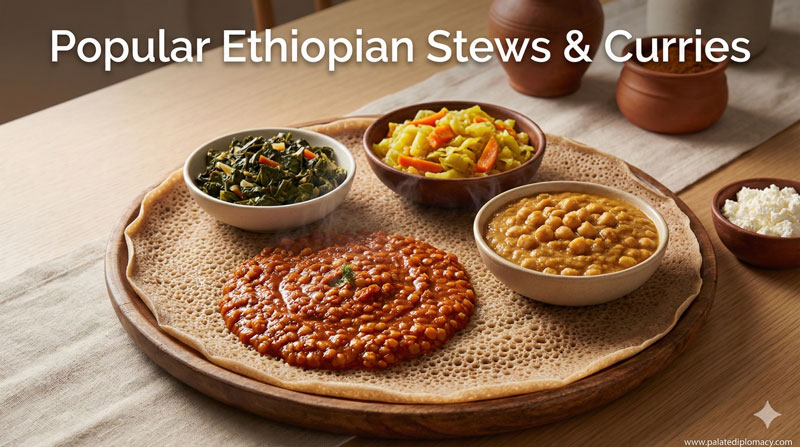
What Makes Atkilt Wat So Special in Ethiopia
Atkilt Wat Is more than a dish. It stands at the heart of Ethiopian kitchens and tables. The name means “mixed vegetables,” and the pot holds carrots, cabbage, potatoes, and green beans in a warm, glossy sauce. It is prepared with care and shared with others. This simple stew invites conversation, time with family, and a sense of belonging. The aroma tells a story of harvest, family routines, and everyday generosity. In Ethiopian Cuisine, Atkilt Wat celebrates the season and the land, while honoring the artistry of a patient cook.
The Core Ingredients: Vegetables and Their Significance
The vegetables in Atkilt Wat are chosen for color, texture, and balance. Carrots and cabbage bring sweetness and crunch. Potatoes add heartiness, while green beans offer a crisp note. Some versions include peas or peppers for brightness. Vegetables are cut evenly, so every bite feels mindful and harmonious. This careful preparation mirrors the Ethiopian value of hospitality—every guest enjoys the dish with equal care. The vegetables reflect the local harvest and a rhythm of daily meals that center fresh, wholesome produce.
The Flavor Library: Spices, Herbs, and Aromatics
Atkilt Wat achieves warmth through a gentle spice set. Onions, garlic, and ginger create a soft, sweet base. Turmeric adds a sunny color and earthy depth. Some cooks lightly dust in berbere for a mild glow of heat, while others keep the dish mild to let the vegetables shine. Cumin and coriander may appear in small amounts, lending earth and brightness. Optional niter kibbeh (spiced clarified butter) can enrich the pot with a silky finish. The spice mix is layered, not overpowering, and designed to elevate vegetables rather than mask them.
Cooking as a Craft: Techniques and Tradition
The preparation follows a steady, patient rhythm. A cook warms oil or niter kibbeh, then sweats onions until they are soft and translucent. Garlic and ginger join the mix, releasing fragrance. Spices mingle with the aromatics, and the vegetables are added in stages to keep their character intact. A simmer in a shallow broth carries the flavors gently to tenderness. The result is a cohesive stew where each vegetable holds its own, yet every bite harmonizes with the sauce. This method reflects a culinary culture that values balance, timing, and respect for ingredients.
A Meal for Sharing: Injera, Social Food, and Etiquette
Atkilt Wat most often arrives on a large, flat piece of injera, the sour Ethiopian flatbread. Diners tear a piece of injera and use it to scoop the stew. The bread acts as both plate and utensil, turning the meal into a shared experience. Meals are communal, with conversations circling the table as dishes come and go. The act of serving and eating together expresses hospitality, patience, and joy. Injera and Atkilt Wat together symbolize how food binds family, friends, and neighbors.
Regional Threads: Variations Across Ethiopia
Across regions, cooks adapt Atkilt Wat to local produce and tastes. Some kitchens include extra vegetables or legumes for variety. The balance between vegetables, spice, and heat shifts with climate and harvest. Yet the core idea remains the same: a colorful, nourishing mix that celebrates everyday abundance. This flexibility highlights the richness of Ethiopian food culture and its openness to seasonal goodness.
Seasonal Staples: Fresh Produce and Timing
Seasonal produce guides the recipe. In harvest months, the dish glows with fresh carrots, cabbage, and beans. In other seasons, cooks may rely on preserved or starchy ingredients to maintain its comforting character. The adaptability shows a cultural love for keeping meals fresh, local, and meaningful throughout the year. Each season offers a slightly new face to Atkilt Wat, inviting familiar tastes with a gentle twist.
The Cultural Value in Everyday Life
Atkilt Wat embodies daily life, hospitality, and communal pleasure. It demonstrates how a simple recipe can carry memory, care, and connection. In Ethiopian homes, food rituals teach generosity, patience, and respect for neighbors. The dish is a bridge between generations, inviting elders and children to share stories as they eat. Its presence on the table signals welcome and warmth, inviting everyone to take part in a shared moment of comfort.
Final Thoughts: Embracing Atkilt Wat
Atkilt Wat shines as a symbol of Ethiopian culinary heritage. It is a dish of colorful vegetables, careful technique, and generous spirit. Served with injera, it becomes a welcoming ceremony of taste and togetherness. For anyone exploring Ethiopian cuisine, Atkilt Wat offers a clear view into how food can reflect land, family, and community. It is a humble, lasting celebration of flavor and culture—an invitation to savor, share, and remember.