
What Is Atkilt Wat?
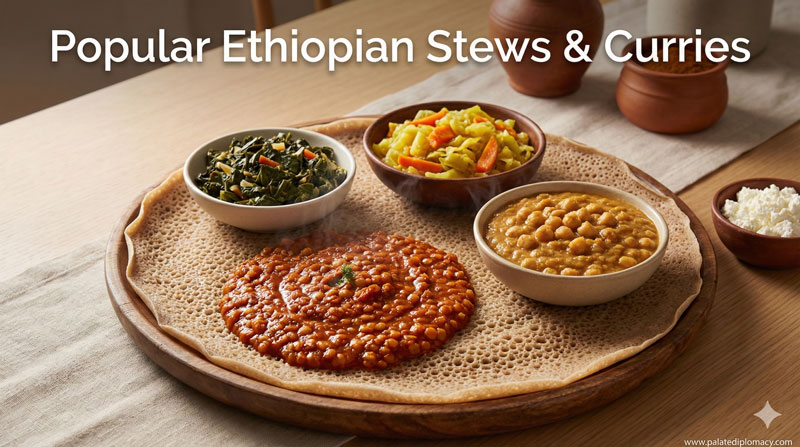
Atkilt Wat Is a beloved Ethiopian vegetable stew that sits at the heart of many tables. The word Atkilt means “mixed,” and Wat is a slow-cooked stew. Put together, they describe a colorful medley of vegetables simmered in a gentle onion-based sauce. Typical ingredients include potatoes, carrots, green beans, cabbage, and sometimes peas or cauliflower. A fragrant base of onions, garlic, and ginger provides warmth, while spices like turmeric, cumin, and coriander add depth. Some kitchens add a touch of berbere for a subtle glow of heat, but the dish often remains mild and comforting. The dish comes to life with the aroma of sizzling onions and the glow of simmering vegetables. It is almost always served with injera, the spongy Ethiopian flatbread, which soaks up the sauce and brings the meal together. The result is a wholesome, vibrant dish that celebrates vegetables in a way that feels both simple and celebratory.
A Dish Shaped by Family and Season
Atkilt Wat is a social dish as much as a recipe. Families prepare it together, and the cooking process becomes a shared ritual. Children learn to trim vegetables, while parents demonstrate gentle knife skills and timing. The dish travels from stove to table as a symbol of hospitality. The colors—orange carrots, green beans, pale potatoes, and the rich red-brown sauce—create an inviting plate that signals nourishment and welcome. In many homes, the practice of serving Atkilt Wat with injera turns the meal into a sandwich of flavors and textures: the soft bread catching the sauce, the vegetables adding brightness with every bite. This collaborative, family-centered eating is a powerful aspect of Ethiopian food culture, where meals are moments to connect, talk, and savor together.
Cultural Significance in Ethiopian Meals
Atkilt Wat anchors everyday meals as well as special occasions. It offers variety and balance on a single plate, providing fiber, vitamins, and a comforting sensation. The dish supports the practice of sharing, which is central to Ethiopian hospitality. When guests arrive, the table often centers on injera topped with or surrounded by Atkilt Wat, inviting everyone to scoop and bite as a sign of kindness. The ritual of serving juicy portions and passing dishes around reinforces community and mutual care. For many households, Atkilt Wat is a reliable, dependable choice that travels well as a comforting memory of home. In this way, the dish becomes more than nourishment; it is a cultural touchstone that invites conversation and warmth.
Regional Variations and Seasonal Pride
Across Ethiopia, cooks put regional stamps on Atkilt Wat. Some areas emphasize the cabbage and potato balance, while others spotlight longer-simmered flavors from carrots and green beans. The choice of vegetables can reflect seasonal harvests, with fresh produce guiding what is practical and tasty at any given time. Spices may vary by kitchen as well; turmeric and cumin provide a mellow earthiness, while a hint of berbere adds a gentle kick for those who enjoy it. The dish travels well between households, yet each family still preserves a distinctive touch—perhaps a particular onion-to-spice ratio or a preference for a silkier sauce. This blend of continuity and variation keeps the dish rooted in tradition while allowing personal expression.
The Ritual of Serving Atkilt Wat
Serving Atkilt Wat is an experience that centers on sharing. The stew sits on a large platter with injera spread beneath or around it. Diners use pieces of injera to scoop the vegetables and soak up the sauce. The texture combination—soft bread with tender vegetables soaked in fragrant sauce—delights the senses. The meal often begins with a warm welcome, followed by a relaxed pace that honors conversation and connection. In gatherings, the act of passing dishes and offering bites to others—commonly known in Ethiopian culture as a gesture of care—adds a layer of meaning to the eating experience. The ritual reinforces generosity and togetherness, making Atkilt Wat more than a dish; it is a shared moment of hospitality.
A Healthy, Welcoming Dish
Nutrition plays a starring role in Atkilt Wat. The mix of root vegetables and greens provides fiber, vitamins, and minerals in an approachable form. The cooking method—gentle simmering in a tomato-onion base—preserves color and flavor while keeping the dish light and satisfying. The bright hues of the vegetables make the plate appealing to both eyes and palate, inviting people to slow down and savor. As a vegetarian-friendly option, Atkilt Wat also demonstrates how a plant-centered meal can be deeply comforting and flavorful. Its appeal lies in its balance: a vibrant, aromatic sauce without heavy heaviness, and vegetables that shine with natural sweetness and earthiness.
A Reflection on Ethiopian Food Culture
Atkilt Wat embodies the warmth and practicality of Ethiopian Cuisine. It showcases how vegetables can take center stage, supported by spices that lift the senses without overpowering the natural flavors. The dish speaks to a culture that values hospitality, seasonal abundance, and shared meals. It invites people to gather, speak, and savor together, turning everyday cooking into a moment of connection. For anyone exploring Ethiopian food, Atkilt Wat offers a welcoming doorway to a broader culinary landscape—one where texture, color, and aroma come together in a simple, respectful celebration of vegetables.
Conclusion: The Beauty and Place of Atkilt Wat
In Ethiopian food culture, Atkilt Wat holds a special place as both a comforting staple and a celebration of vegetables. Its flavors are approachable, yet its preparation reflects care and family involvement. The dish illustrates how a humble mix of ingredients can become a meaningful social ritual—shared, generous, and deeply satisfying. If you seek a dish that speaks to warmth, hospitality, and the everyday beauty of cooking, Atkilt Wat welcomes you to a flavorful, inclusive experience rooted in Ethiopian tradition.