
Introduction
Kik Alicha welcomes you with a warm, soothing flavor and a bright, creamy texture. In Ethiopian dining, this humble yellow-pea stew has a special place. It reflects care, patience, and a shared meal that comforts and invites conversation. This guide highlights the cultural value and culinary significance of Kik Alicha, showing how a simple dish can anchor community, family, and daily life. You will discover what makes Kik Alicha unique, how it is prepared, and How to enjoy it like a local.
What is Kik Alicha? Ingredients and technique
Kik Alicha is a gentle Ethiopian stew made from yellow split peas. The peas soften to a creamy bite, their color turning warm honey with time. Essential aromatics include onions, garlic, and ginger. Turmeric adds the characteristic pale yellow hue and a mild, fragrant earthiness. Many cooks finish the dish with niter kibbeh, a spiced clarified butter, for a touch of smooth richness. Those who prefer a plant-based version can cook with neutral oil or olive oil and skip the butter.
The preparation emphasizes balance. Onion sweats slowly to release sweetness, then garlic and ginger wake the pot without overpowering the peas. Spices mingle softly, allowing the natural sweetness of the peas to shine. The result is a comforting dish that feels nourishing and approachable, even for first-time tasters. Finally, the stew rests briefly before serving so the flavors harmonize.
The cultural heartbeat of Kik Alicha in Ethiopian dining
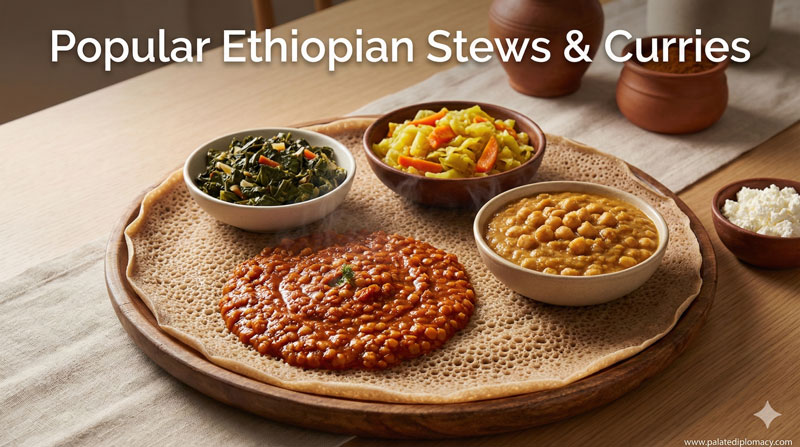
Kik Alicha sits at the heart of Ethiopian meals in many households. It is a versatile dish that appears on the table during everyday dinners and on special gatherings. It blends well with the larger spread of injera, the sour flatbread that serves as both plate and utensil. When Kik Alicha is part of a platter, it signals hospitality and care, inviting guests to share from a common bowl.
In Ethiopian culture, meals are more than nourishment; they are social rituals that honor guests, family, and friends. Sharing a pot of Kik Alicha fosters connection as people gather around injera and converse. The dish’s mild profile makes room for other flavors on the plate, yet its own gentle presence remains memorable. This balance—comforting yet distinctive—embodies the spirit of many Ethiopian family meals.
How to enjoy Kik Alicha like a local: flavor, texture, and etiquette
To savor Kik Alicha like a local, approach the plate with mindfulness. Scoop a portion of Kik Alicha onto injera, then lift a small bite with the bread. Allow the creamy peas to mingle with the tang of injera for a moment before tasting. The key is to slow down and let the flavors unfold gradually.
Etiquette and rhythm matter. Eat with the right hand, as is traditional in many Ethiopian dining settings. If you are sharing a platter, observe how others pace their bites and follow the flow of the meal. The act of sharing itself is central to the experience, not rushing through courses.
Gursha is a cherished ritual within meals. When a friend or family member offers you a bite of Kik Alicha on injera, accept with a gracious nod or a warm smile. This gesture reinforces hospitality and fellowship at the table. As you become comfortable, you may find Kik Alicha’s soft spice inviting you to linger over the meal, appreciating texture, aroma, and the company at table.
Pairings and serving ideas: injera, accouterments, and balance
Kik Alicha shines when paired thoughtfully. The natural acidity and tang of injera elevate the dish, while its creaminess harmonizes with other textures. A traditional serving typically places Kik Alicha alongside other wot dishes, salads, and fresh cheese called ayib. The combination creates a spectrum of flavors and textures that keeps the meal interesting and well-balanced.
For beverages, consider a light, refreshing option like a cooled tea or a mildly sparkling drink. If you enjoy wine, a crisp white can complement the dish without overpowering the delicate spices. After the main course, a cup of Ethiopian coffee or a small, fragrant tea ceremony can beautifully close the meal, emphasizing hospitality and rhythm.
Variations abound, and each family may tweak Kik Alicha to reflect personal taste. Some add carrots or celery for sweetness and color. Others adjust the onion-to-pea ratio to create a slightly thicker or lighter sauce. Regardless of tiny changes, the dish remains a gentle centerpiece that invites sharing and warmth.
Regional twists and family touches
Across households, Kik Alicha carries regional character while preserving its core identity. In some kitchens, a touch of fresh lemon or lime brightens the sauce just before serving. In others, a dash of cinnamon or a pinch of chili offers a gentle warmth for those who enjoy a more pronounced finish. These subtle twists honor local flavors and Family Traditions, while the dish keeps its signature calm, creamy presence.
What stays constant is the approach: respect the peas, treat the onions with patience, and let the spices meld slowly. This method reflects how many people view daily cooking—an act of care that enriches meals shared with others.
Tips for home cooks: practical steps to perfect Kik Alicha
- Choose quality ingredients: yellow split peas, fresh onions, garlic, and ginger. If you use niter kibbeh, a little goes a long way.
- Rinse the peas well and pick out any debris. Do not over-soak; yellow split peas cook to tenderness with steady heat.
- Start with a slow onion sweat. This unlocks sweetness that balances the spices.
- Add garlic and ginger next, then turmeric. These aromatics should perfume the pot without burning.
- Simmer gently until the peas are creamy and the sauce coats the spoon. If the mixture becomes too thick, loosen with a small amount of hot water.
- Finish with a small amount of niter kibbeh or a drizzle of oil. This finish brings a mellow gloss and depth.
- Taste and adjust salt near the end. The tang of injera will balance salt, so aim for harmony rather than overt saltiness.
- Serve warm, with injera on the side or underneath. Let guests scoop and share, keeping the table lively and friendly.
- For vegan options, skip the butter and use a quality oil instead. The dish remains gentle and comforting.
A welcoming dish with a lasting impression
Kik Alicha embodies warmth, balance, and hospitality. It demonstrates how simple ingredients can unite people around a table. The dish respects tradition while inviting personal touches, making it accessible to new cooks and memorable for seasoned gourmets alike. When you serve Kik Alicha, you invite others to slow down, listen, and enjoy together.
Conclusion: celebrate the beauty of Kik Alicha
Kik Alicha is more than a recipe; it is a cultural practice that highlights the beauty of Ethiopian food culture. Its creamy texture, mild spice, and harmonious flavors reflect care for ingredients and for the people who share the meal. By cooking it thoughtfully and savoring it with injera, you participate in a tradition that favors connection, conversation, and comfort. Embrace Kik Alicha as a doorway to a generous culinary heritage and a welcoming table.